 Customer Support


Posts by Category
07/08/2026
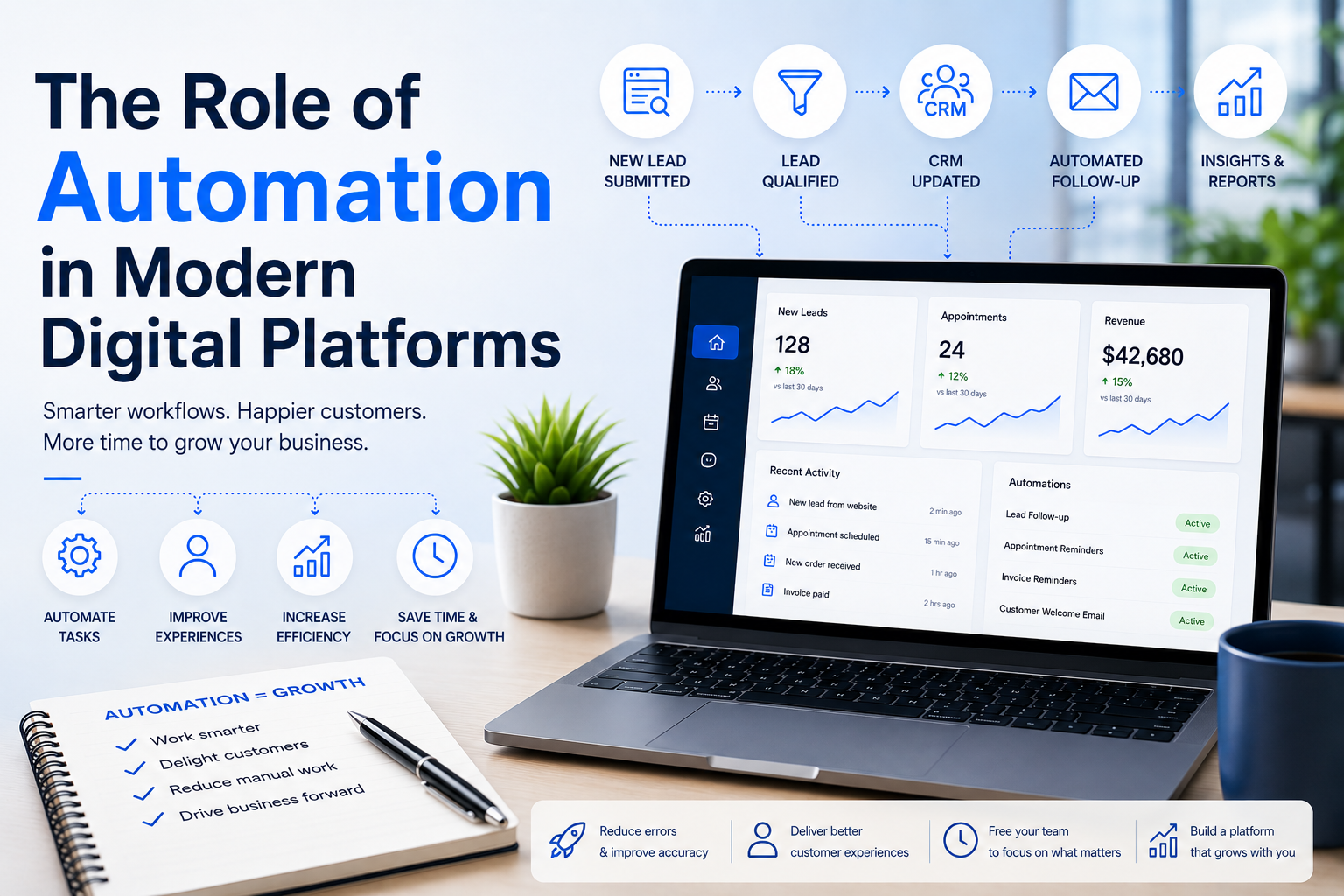 Automation in digital platforms helps businesses eliminate repetitive tasks, streamline workflows, and improve customer experiences. If you're like most business owners, you've probably caught yourself thinking,
"There has to be a better way to do this."
Automation in digital platforms helps businesses eliminate repetitive tasks, streamline workflows, and improve customer experiences. If you're like most business owners, you've probably caught yourself thinking,
"There has to be a better way to do this."Maybe your team spends hours responding to the same inquiries every week. Maybe leads come through your website, but someone still has to copy them into your CRM. Or perhaps customers are calling because they can't find the information they need online.
These aren't just everyday frustrations. They're signs that your website isn't working as hard as your business is. That is where automation in digital platforms makes a real difference.
Today's website shouldn't simply look good. It should help your business run more efficiently, reduce repetitive work, improve customer experiences, and give your team more time to focus on what matters most. Modern businesses are investing in smarter digital tools that support long-term growth through intelligent automation.
At Dreaming Code, we've seen firsthand how the right combination of technology, intelligent workflows, and thoughtful design transforms an underperforming website into a true business platform.
Why Traditional Websites Are Holding Businesses Back
Many small and medium-sized businesses still operate websites that were built several years ago.They may have looked great when they launched, but today's business challenges are very different.
- Customers expect immediate responses.
- Employees expect systems that communicate with one another.
- Business owners want visibility without juggling spreadsheets or disconnected software.
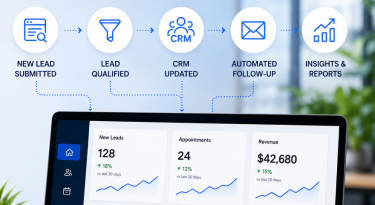
A visitor submits a form. Someone receives an email. Another employee enters the information into a CRM. Sales follows up manually. Marketing sends another email later.
Before long, several people have touched the same information multiple times.
Not only is this inefficient, but it also increases the likelihood of mistakes and delays.
One of the strongest buying signals we see is a company saying, "Everything is manual." That usually means there is a tremendous opportunity to improve efficiency through smarter technology and automation.
What Does Automation in Digital Platforms Really Mean?
When people hear the word automation, they often picture robots replacing employees. In reality, it's much simpler.Automation in digital platforms means allowing technology to handle repetitive tasks that don't require human decision-making.
Instead of spending valuable time copying information between systems, sending routine emails, updating spreadsheets, or managing appointments manually, those processes happen automatically.
Your employees spend less time on administration and more time helping customers, solving problems, and growing the business.
This isn't about replacing people. It's about giving your team better tools so they can focus on work that creates value.
Businesses that embrace automation in digital platforms automation often discover they can accomplish significantly more without adding additional staff.
Everyday Examples of Business Automation
Many business owners are surprised by how much of their daily work can be automated.Example 1: Dental Practice Automation
Imagine a dental practice. A patient books an appointment online.Instead of someone manually confirming the appointment, the website automatically:
- Confirms the booking
- Updates the calendar
- Creates a patient record
- Sends appointment reminders
- Delivers intake forms before the visit
Example 2: Manufacturing Quote Request Automation
Now consider a manufacturing company. A distributor requests a quote through the website.Instead of forwarding emails between departments, the website automatically:
- Routes the request to the correct sales representative
- Creates a CRM opportunity
- Assigns follow-up tasks
- Sends confirmation to the customer
Customers receive faster service. Employees save time. The business operates more efficiently.
How Workflow Automation Improves Digital Platforms
One of the biggest misconceptions is that automation only reduces administrative work. The truth is that a modern workflow automation website improves the entire customer experience.Customers expect answers immediately. They want to schedule appointments online. They want updates without making phone calls. They expect personalized experiences.
Automation makes these interactions feel seamless.
For example:
- Online forms automatically qualify leads.
- Live chat answers common questions.
- Customer portals display account information.
- Payment reminders are sent automatically.
- Marketing campaigns adjust based on customer behavior.
Connecting CRM, ERP, and Digital Platforms with Automation
Automation becomes even more powerful when business systems communicate with one another.Many SMBs operate several disconnected applications. Nothing talks to anything else. As businesses grow, these disconnected systems create unnecessary work.
That is why integration matters.
Connecting your website with your CRM, ERP, scheduling software, payment systems, and marketing tools creates a seamless flow of information that eliminates duplicate work and improves accuracy.
Dreaming Code specializes in helping businesses connect these systems so information flows automatically instead of requiring manual entry.
When systems communicate, everyone benefits.
- Employees work faster.
- Customers receive quicker responses.
- Management gains better visibility into business performance.
How AI Improves Automation in Digital Platforms
Automation has evolved considerably over the last few years.Modern AI is transforming automation in digital platforms by allowing businesses to:
- Answer customer questions
- Personalize website experiences
- Summarize conversations
- Qualify leads
- Route requests automatically
This is especially valuable for small and medium-sized businesses that don't have large customer service teams.
Automation Supports Digital Transformation for SMBs
Digital transformation isn't reserved for large enterprises anymore.In fact, many small and medium-sized businesses have the most to gain.
Successful digital transformation SMB initiatives often begin with improving the website because it touches nearly every customer interaction.
Think about everything your website already influences:
- Marketing
- Sales
- Customer service
- Recruiting
- Scheduling
- Payments
- Communications
That is why more businesses are moving toward a modern digital experience platform instead of managing disconnected tools individually.
A unified platform allows your website, automation, integrations, and customer experience to work together rather than operating as separate systems.
Why Ongoing Support Matters for Automated Digital Platforms
Launching automation isn't the finish line.Your business will continue evolving. You'll introduce new products, expand into new markets, and adopt new software.
Your website should evolve alongside those changes.
That is why Dreaming Code combines modern automation with ongoing management and Radical Support.
Instead of waiting until something breaks, our team continuously monitors, improves, secures, and optimizes your digital platform so it continues delivering value as your business grows.
Small Automation Improvements Deliver Big Business Results
Business owners often assume automation requires a massive digital transformation project. It usually doesn't.Sometimes the biggest wins come from solving small problems.
- Automating appointment reminders
- Routing leads automatically
- Connecting your CRM
- Simplifying online forms
- Sending follow-up emails without manual effort
Before long, your employees are spending less time managing systems and more time growing the business.
That's the real value of automation in digital platforms.
Whether you're modernizing an outdated website or looking for ways to improve operational efficiency, Dreaming Code helps businesses build digital platforms that are designed to grow with them.
If your website feels more like another job than a business asset, it may be time to rethink what it's capable of.
Ready to Put Your Website to Work?
Your website should do more than attract visitors. It should help your business operate more efficiently every single day.Dreaming Code combines modern websites, automation, AI, integrations, and ongoing management into one fully managed platform that grows with your business.
Whether you're beginning your digital transformation or looking to improve an existing website, we'd love to show you what's possible.
Ready to see what's possible?
Frequently Asked Questions
What is automation in digital platforms?
Automation on digital platforms uses technology to perform repetitive tasks. It helps businesses streamline processes such as lead routing, appointment scheduling, customer communications, and data synchronization between systems.How can automation improve my website?
Automation transforms your website from a static marketing tool into an active business asset. It can automatically capture leads, send follow-up emails, qualify prospects, schedule appointments, and connect with your CRM or ERP, reducing manual work while improving customer experience.What types of businesses benefit most from automation?
Almost any growing business can benefit, especially companies with manual processes, disconnected systems, or limited internal resources. Manufacturers, medical and dental practices, real estate firms, retailers, professional services, and nonprofit organizations often see significant improvements in efficiency and customer engagement.Do I need to replace my existing business systems?
Not necessarily. In many cases, automation can connect your existing CRM, ERP, accounting software, scheduling tools, and marketing platforms into a single, streamlined workflow. The goal is to make your current technology work together more effectively.Why choose Dreaming Code for website automation?
Dreaming Code delivers more than individual automation tools. We design, build, host, manage, and continuously optimize digital platforms that combine automation, AI, integrations, security, and ongoing support to help businesses grow with confidence.
06/30/2026
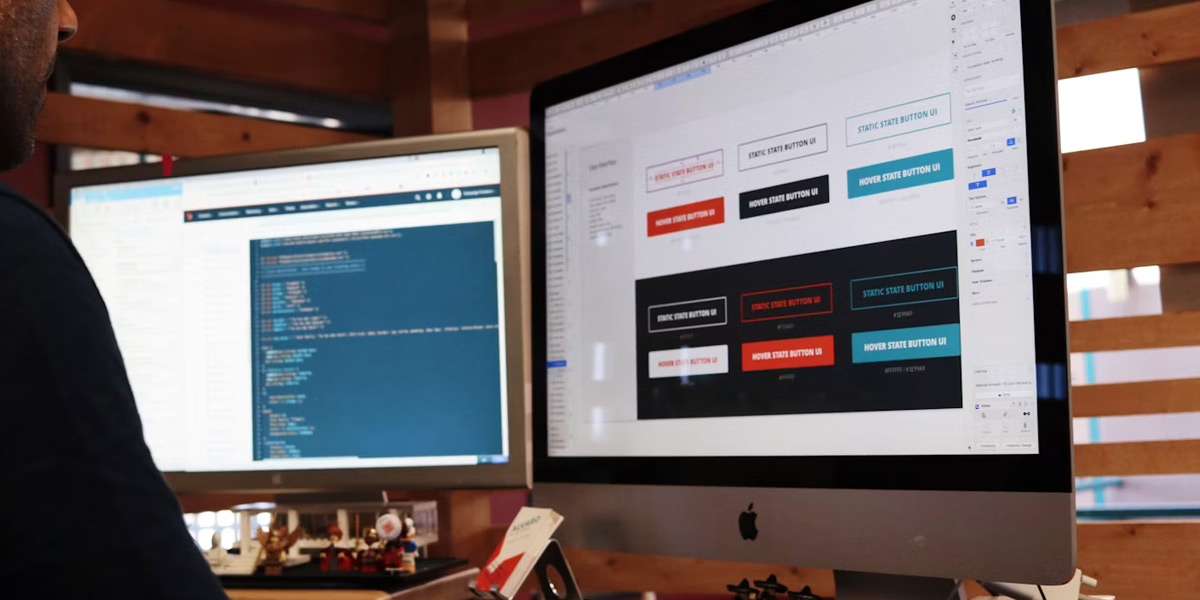 If your website hasn't been touched in years, you're in good company. A lot of small and medium-sized businesses are still running on sites that were built once, launched, and then largely left alone. They might look fine on the surface, but under the hood they're often quietly generating extra work, higher costs, security gaps, and missed opportunities.
Customer expectations have shifted, though. A website functions more like an operating system for the business, one that has to attract customers, generate leads, support day-to-day operations, and build trust all at once.
That shift is why more companies are moving away from the old build-it-once model and toward a managed website platform instead. A fully managed setup takes the burden of upkeep off the business and, in the process, tends to improve performance, security, and the ability to scale.
At Dreaming Code, we see this pattern play out constantly. Owners want a modern setup that lets them focus on running their business rather than babysitting technology.
What Is a Traditional Website?
A traditional site is usually built as a one-off project. A company hires a designer or an agency, the site goes live, and everyone assumes it will keep humming along for years without much attention.Under the hood, these builds typically combine front-end technology — HTML, CSS, JavaScript, often paired with a framework like React, Angular, or Vue — with a content management system such as WordPress or Drupal, plus a custom back end that handles content, data, and business logic. That flexibility comes at a price: the result is usually a patchwork of separate technologies, hosting environments, plugins, integrations, and vendors, each of which needs its own upkeep. As the site grows, keeping everything updated, secure, fast, and functional gets harder and more expensive, especially for a company without in-house technical staff.
This approach wasn't built for the kind of always-on digital infrastructure companies now rely on. Sites like this tend to share a familiar set of traits: hosting split across different providers, a stack of third-party plugins, updates that only happen manually, thin support, growing security holes, performance that degrades over time, and content that goes stale because nobody has the bandwidth to touch it.
Business owners often find that every change needs a developer, every new feature turns into its own project, and every problem shows up as a surprise bill. Little by little, the site falls behind.
The Hidden Costs of Traditional Websites
The sticker price on a traditional build can look appealing at first glance. What gets missed is everything required to keep it running afterward including hosting fees, security software, plugin licenses, emergency fixes, eventual redesigns, performance tuning, and SEO cleanup, to name the usual suspects.A manufacturer, for instance, might spend thousands a year just maintaining the connection between its website and its ERP system. A dental practice might discover that adding online scheduling isn't a quick tweak but a costly rebuild. What began as a simple site quietly turns into a pile of disconnected tools, each demanding its own attention.
What Is a Managed Website Platform?
A managed platform starts from a different premise. Rather than treating the website as something you build once and forget, it treats it as an ongoing part of the business with design and development, hosting, security, maintenance, performance monitoring, SEO, content management, technical support, and system integrations, all handled together.Instead of juggling several vendors, a business works with one partner accountable for the whole digital experience. That single point of ownership tends to produce more consistency and better outcomes over time. It's the reasoning behind Dreaming Code's managed digital experience platform, which folds all of these services into one coordinated solution.
How a Managed Platform Supports Growth
A managed platform isn't just about keeping the lights on but it's meant to actively support growth. Instead of scrambling to fix problems as they surface, a business can get ahead of them: improving the customer experience, tuning performance, and rolling out new capabilities as needs change. That matters most for small and mid-sized companies that don't have an internal IT team to lean on.Comparing the Two Head to Head
On the management side, the difference is stark. A traditional setup usually means multiple vendors, maintenance that only kicks in after something breaks, updates done by hand, and accountability that's hard to pin down. A managed platform replaces that with one point of contact, upkeep that happens before problems appear, continuous improvement, and clear ownership. For a lot of owners, that shift alone is worth the switch.Security tells a similar story. Older sites tend to lean on outdated plugins and software nobody's watching closely, which is exactly how vulnerabilities and slowdowns creep in. A managed platform folds in continuous updates, monitoring, backups, and optimization, so the site stays secure and responsive without anyone having to remember to check on it.
Scalability is where the gap really shows. A site built as a one-time project tends to resist change. Adding features like appointment scheduling, CRM integration, customer portals, or marketing automation usually means a fresh development project and a fresh invoice. A platform built to be managed can absorb that kind of growth without requiring a rebuild.
Then there's the support problem, which might be the most frustrating part for owners: the hosting company blames the developer, the developer blames the plugin, the plugin vendor blames the server however and the business is stuck waiting in the middle. Dreaming Code built its Radical Support service specifically to short-circuit that cycle, catching issues before they turn into fire drills rather than reacting once something's already broken.
A Manufacturing Example
Picture a manufacturer that sells through both distributors and direct customers. On a traditional site, quotes might have to be requested manually, the catalog might be out of sync with reality, there's no link to the ERP system, and staff end up doing the same data entry twice. A managed platform can connect straight into the ERP, personalize the experience for each customer type, route leads automatically, sharpen search visibility, and make content updates simple. Dreaming Code works through exactly these kinds of problems regularly enabling ERP integrations, EDI connections, customer-specific pricing, dropshipping workflows, automated order management so the website ends up supporting operations instead of adding to the workload.Why the Shift Is Happening
Customers now expect fast load times, a smooth mobile experience, easy navigation, content that feels personalized, secure interactions, and consistent communication with a site built as a one-time project that usually struggles to keep up on all fronts at once. A managed digital experience platform supplies the infrastructure, flexibility, and support needed to compete on those terms, and it gives a business room to grow into whatever the goal, lead generation, deeper customer engagement, scheduling, content marketing, or expanding into eCommerce. More companies are turning to a modern digital experience platform for exactly this reason: it cuts down technical debt while lifting both marketing results and the overall user experience.Signs It's Time for an Upgrade
A few warning signs tend to show up together: the site is more than three years old, updates are slow or expensive, several vendors each own a piece of it, performance is inconsistent, security concerns keep surfacing, leads have plateaued, and there's little visibility into how the site is actually performing. If more than a couple of those sound familiar, it's probably worth a closer look at a managed alternative.Ready for a Better Website Experience?
If your site feels outdated, hard to manage, or unable to keep up with where the business is headed, it may be time to look at a managed alternative. Dreaming Code helps companies retire outdated sites in favor of a fully managed solution — design, hosting, support, SEO, integrations, and ongoing optimization, all in one place.Through our managed digital experience platform, businesses get a partner focused on long-term growth instead of a one-off project. Book a Demo to see how Dreaming Code can help reshape your digital presence.
Frequently Asked Questions
What is a managed website platform?
It's a fully supported website solution — hosting, maintenance, security, updates, support, and ongoing optimization — all handled by one provider.How does it differ from a traditional website?
A traditional site is usually delivered once and left alone. A managed platform keeps managing, supporting, and improving the site over time.Is it more expensive?
Not necessarily. There's often a monthly cost, but many businesses end up saving once they factor in what they'd otherwise spend on maintenance, emergency fixes, security incidents, and eventual redesigns.Which businesses benefit most?
Small and mid-sized companies without a dedicated web or IT team tend to see the biggest difference.Where can I learn more?
Check out Dreaming Code's FAQs page, or book a consultation to talk through your specific situation.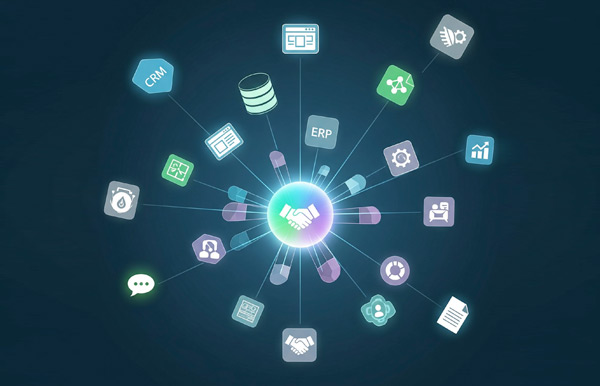
05/20/2026
 If you're a business owner looking at your website and thinking,
“This should be doing more," you're probably right.
If you're a business owner looking at your website and thinking,
“This should be doing more," you're probably right.
Most SMB websites don't fail because of design. They fail because they're disconnected. They don't integrate with the rest of the business. They don't automate anything. And they definitely don't evolve.
That's where a managed digital experience platform changes everything.
Let's walk through what it actually is and why more companies are moving in this direction.
What Is a Managed Digital Experience Platform?
A managed digital experience platform is a fully managed system that combines your website, integrations, automation, hosting, and ongoing support into one connected solution.Instead of juggling multiple vendors and tools, everything lives in one place and works together.
Your website becomes more than a marketing tool. It becomes part of how your business operates.
With a modern platform, you get:
- A high-performing digital experience platform
- Built-in integrations with CRM, ERP, and scheduling tools
- Automation for lead capture and workflows
- Hosting, security, and performance handled for you
- Ongoing updates and improvements
How a Managed Digital Experience Platform Actually Works
Let's simplify this.Most SMBs operate with disconnected tools. A website here. A CRM there. Scheduling somewhere else. It works, but it creates friction.
A managed digital experience platform brings everything together.
One Connected System
Your content, customer data, and workflows are all tied together.
A visitor fills out a form. That data flows into your CRM. A follow-up gets triggered automatically. If they book a meeting, it's already synced.
No manual work. No dropped leads.
Automation That Saves Time
This is where the real value shows up.
Instead of handling tasks manually, the platform automates:
- Lead routing and notifications
- Appointment scheduling
- Order processing
- Customer communication
Fully Managed from Day One
You're not left figuring things out.
A managed website platform includes hosting, updates, security, and ongoing optimization. With Dreaming Code, that also means access to Radical Support so your site keeps improving over time.
Why SMB Websites Underperform and How This Fixes It
If your site isn't delivering results, it's usually not a content issue. It's a system issue.Here's what a managed digital experience platform solves.
Your Website Starts Driving Growth
Instead of just sitting there, your site:
- Captures leads
- Guides visitors toward action
- Connects directly to your systems
- Automates follow-ups
You Eliminate Manual Work
Many SMBs spend hours on repetitive tasks.
Entering data. Following up. Managing bookings.
A digital platform for SMBs removes much of that work so your team can focus on higher-value activities.
Your Systems Finally Talk to Each Other
Disconnected tools create delays and errors.
A digital experience platform for businesses connects everything so data flows naturally between systems.
That's where efficiency comes from.
You Simplify Your Vendor Stack
Instead of dealing with multiple vendors, you work with one partner.
One platform. One team. One place to go when something needs to change.
Real-World Examples
B2B Distributor with Manual OrdersA distributor was managing pricing and orders manually.
After moving to a managed digital experience platform:
- Customers log in to see custom pricing
- Orders sync directly with backend systems
- Sales reps use a digital portal
Medical Practice with Scheduling Challenges
A clinic relied on phone calls and paperwork.
After adopting a managed website platform:
- Patients book online
- Intake forms are digital
- Automated reminders reduce no-shows
Service Business Needing Better Leads
A local service company had traffic but low conversion.
After implementing a digital platform for SMBs:
- Leads are captured instantly
- Follow-ups are automated
- Performance is tracked clearly
Why Dreaming Code Is Built for This
Dreaming Code is designed for SMBs that need more than a basic website but don't want to manage a complex tech stack.- Fully managed platform from design to hosting
- Deep integrations with tools like Sage and Salesforce
- Built for digital experiences and commerce
- Continuous optimization and support
- A true partner approach
Final Thoughts
A managed digital experience platform is not just a better website. It's a better system for running your digital business.Less manual work. More automation. More clarity.
If your current setup feels stuck, this is usually the next step.
If you want to see how it works for your business, you can book a demo and explore it firsthand.

02/24/2025
At Dreaming Code, we specialize in building HIPAA-compliant dental websites that enhance user experience, improve search rankings, and simplify digital marketing. We provide end-to-end solutions tailored to the needs of modern dental practices, integrating compliance-driven security, automated marketing tools, AI-powered enhancements, and seamless social media management.
Here's what enables your patients to have a great web experience:
1. HIPAA-Compliant Website Design & Security
A HIPAA-compliant website ensures that patient data is securely stored, shared, and managed according to federal regulations. Non-compliance can result in hefty fines and damage to your practice's reputation. Dreaming Code builds secure dental websites that meet stringent HIPAA security requirements by incorporating encrypted data storage, two-factor authentication, and secure patient forms. Our HIPAA-compliant hosting guarantees the safety of sensitive information while ensuring seamless functionality.How to Ensure a Secure Dental Website:
- SSL Encryption: Encrypt all patient forms, emails, and chat communications.
- Secure Patient Portals: Ensure patient appointment bookings and data access are safely managed.
- HIPAA-Compliant Hosting: Your dental web design should include secure servers that meet HIPAA requirements.
- Access Controls: Limit access to patient data to only authorized personnel.
2. Managing Reviews & Online Reputation for Dental Practices
Online reputation is everything in healthcare. Online reviews for dentists influence patient decisions, build credibility, and improve local dental SEO rankings. Dreaming Code's reputation management solutions automate review collection, allowing practices to request, manage, and showcase patient testimonials effortlessly. We also integrate AI-powered sentiment analysis tools that highlight trends in patient feedback and identify areas for improvement, keeping your practice's reputation strong.Best Practices for Dental Reputation Management:
- Encourage Positive Reviews: Prompt happy patients to leave reviews on Google and social media.
- Respond to Negative Feedback Professionally: Address concerns, offer solutions, and show you care about patient experiences.
- Display Reviews on Your Website: Feature patient testimonials and real success stories prominently.
3. Smart AI Tools for Better Digital Experiences
With advancements in dental AI tools, dentists can streamline operations, enhance patient interactions, and drive conversions. Dreaming Code integrates innovative dental website features, including AI-driven chatbots that answer patient inquiries 24/7, automated appointment scheduling to reduce administrative workload, and AI-powered SEO tools that improve search rankings by analyzing visitor behavior and optimizing content.AI-Powered Features for Smart Dental Websites:
- AI Chatbots for Instant Patient Support
- Automated Appointment Reminders & Scheduling
- AI-Powered SEO Optimization for Higher Search Rankings
- Personalized Content for Patient Engagement
4. Maintaining a Strong Social Media Presence
A strong dentist marketing strategy includes social media to boost engagement and keep your practice top-of-mind. Dreaming Code's automated dental marketing solutions integrate dental social media scheduling, AI-generated content recommendations, and multi-platform posting to keep your practice visible across Facebook, Instagram, and Google My Business without requiring constant manual effort.Effective Dental Digital Marketing Strategies:
- Educational Content: Share tips on oral health, procedures, and new treatments.
- Before & After Photos: Showcase real patient results (with consent).
- Engage With Followers: Respond to comments, answer questions, and encourage bookings.
- Run Promotions & Offers: Special discounts, referral programs, and seasonal campaigns.
Conclusion
A high-performing dental website is more than just a digital brochure—it's a powerful tool for attracting new patients, enhancing engagement, and ensuring compliance. By prioritizing HIPAA-compliant security, reputation management, AI-driven enhancements, and social media integration, dental practices can create a seamless and professional online experience.Dreaming Code builds secure, optimized, and automated dental websites that improve patient interactions, boost search rankings, and simplify marketing efforts. Investing in the right digital solutions ensures your practice stays competitive while delivering exceptional patient experiences. Schedule an appointment with us today to connect with our solution consultants!
FAQs: Essential Components to Good Dental Website Experiences
1. What makes a dental website HIPAA-compliant?A HIPAA-compliant dental website includes encrypted forms, secure hosting, access controls, and data privacy measures to protect patient information.
2. How can a dental website improve its online reputation?
Managing dental reviews and dentist testimonials, responding to feedback, and showcasing patient success stories on your website help improve credibility and attract new patients.
3. What AI tools can improve a dental website's performance?
AI for dental websites includes chatbots, automated appointment scheduling, predictive SEO optimization, and personalized content that enhance patient experience and engagement.
4. Why is social media important for dental practices?
Dental social media helps increase brand awareness, engage with potential patients, showcase expertise, and drive more bookings through digital channels.

11/04/2024
WordPress + Consultant
Pros:- Customization: WordPress offers a vast range of plugins and themes, allowing you to customize the website to your needs.
- Open-source platform: Flexibility to add third-party integrations or custom development.
- High Maintenance Costs: Every time you need to make changes or updates, you'll need to hire a consultant, which can become expensive.
- No Hosting Included: You'll need to find your own hosting, adding an extra cost and potential complexity.
- Challenging Plugin Management: Many plugins require manual updates and may conflict with each other, resulting in technical issues that often require a developer to resolve.
- UX Designer Required: Without in-house design talent, you'll need to hire a designer to ensure the site has a user-friendly interface and layout.
Best For: Businesses that want full control over their website but are prepared to invest heavily in maintenance and customization.
Website Builders (like Wix and SquareSpace)
Pros:- Ease of Use: These platforms are beginner-friendly with drag-and-drop functionality, making it easy for non-technical users to set up a basic website.
- Low Initial Costs: Affordable pricing for simple websites with limited functionality.
- Lacks Flexibility: You're limited in how much you can customize the site's structure and design. This could hinder your ability to scale as your business grows.
- Integration Challenges: Integrating third-party tools, CRM systems, or custom functionalities takes time and effort.
- Hosting Limitations: You don't get to choose your hosting provider, meaning you're locked into their hosting services, which may not meet your business needs.
- Limited Design and UX Options: While templates are available, they offer limited design flexibility and customization options, which may affect the user experience.
Best For: Small businesses or startups that need an essential online presence and don't expect to scale or need custom features in the near future.
Web Design Firm
Pros:- Professional Design: You get a high-quality, custom design that reflects your brand's personality.
- Hands-Off Setup: The firm handles all the initial design and development, so you don't need to worry about the technical details.
- No Email Hosting: You'll need to arrange for email hosting separately, adding complexity and cost.
- No Backend Integration: Most web design firms won't provide back-end integration, meaning you'll miss out on connecting key systems like CRM, order management, or accounting.
- Not an End-to-End Solution: After the initial build, you'll need to manage ongoing maintenance and updates yourself, or hire the firm again.
- Ongoing Support Costs: Any future changes, updates, or fixes will require you to hire the firm for support, which can become expensive over time.
Best For: Businesses seeking a high-end, custom-designed website but willing to manage or outsource ongoing updates and support.
SaaS-Based Digital Experience Platform
Pros:- Robust Platform with Ongoing Updates: A SaaS-based platform like Dreaming Code continuously updates your website with the latest features, security patches, and optimizations without extra cost or effort on your part.
- Third-Party App Integration: Seamlessly integrate backend systems like CRM, accounting, and order management for streamlined operations.
- Hosting and Security Included: Hosting and security are part of the package, removing the need for third-party services and ensuring top-tier performance and protection.
- E-commerce Ready: Built-in e-commerce capabilities allow for easy scaling and management of online stores.
- Access to Designers and Developers: Get professional help from in-house designers and developers for custom features or design tweaks.
- Back-End Integration: Fully integrates with your back-end systems, including CRMs and ERP tools, for efficient operations.
- 24/7 Support: A dedicated support team is available around the clock to handle any issues or updates, reducing downtime and keeping your website running smoothly.
- Upfront Cost: It may have a higher initial cost compared to DIY solutions, but it's a cost-effective long-term solution with lower maintenance expenses.
Best For: Businesses looking for a flexible, scalable, and low-maintenance solution that includes everything—hosting, security, support, and integration—all in one platform.
Dreaming Code is an ideal solution for many businesses, including medical and dental practices, manufacturing companies, and salons, where maintaining a professional, user-friendly online presence is essential. Dreaming Code's robust platform benefits these industries with support scheduling, e-commerce, and back-end integrations.
Additionally, service-based retail businesses, such as spas, fitness centers, and consulting firms, can leverage Dreaming Code's capabilities to streamline operations, enhance customer engagement, and scale effortlessly as they grow.
Businesses like law firms, real estate agencies, and professional services can also benefit from Dreaming Code's all-in-one solution, ensuring a seamless digital experience with minimal maintenance.
Conclusion
When it comes to building a fully-featured, scalable, and cost-effective website, Dreaming Code's SaaS-based digital experience platform stands out as the best option. With ongoing updates, seamless third-party app integrations, and 24/7 support, Dreaming Code offers the lowest cost of total ownership, ensuring your website remains up-to-date and requires zero maintenance from your side. It provides the flexibility to grow with your business, making it the ultimate long-term solution for serious businesses.Dreaming Code is a partner who can drive your digital success. We provide an industry-leading platform to enable agile and flexible digital experiences. We have solutions tailored to your needs if you seek advice on driving website traffic and user experience. Our solution consultants are eager to support you in planning, building, and scaling your digital transformation. Schedule to meet us today!

10/07/2024
A solid web presence is no longer optional - it's essential for any business to thrive. However, building and maintaining a high-quality website requires a range of skill sets, often requiring various experts. Let's explore the skill sets needed to create and manage a website and how this compares to opting for a managed web service like Dreaming Code, which handles everything for you at a simple monthly fee.
Ready to streamline your web presence? Discover how Dreaming Code can provide a hassle-free, cost-effective solution for your digital needs.
Dreaming Code is a partner who can drive your digital success. We provide an industry-leading platform to enable agile and flexible digital experiences. We have solutions tailored to your needs if you seek advice on driving website traffic and user experience. Our solution consultants are eager to support you in planning, building, and scaling your digital transformation.
Schedule to meet us today!
Key Skill Sets Needed to Build and Maintain a Website
- Web Design and User Experience (UX)
- Skill Set: A website that captures attention and engages users requires a web designer with both creative and technical skills. UX designers optimize the site's usability and ensure it's intuitive to navigate.
- Tools: Adobe XD, Sketch, Figma.
- Web Development
- Skill Set: Skilled developers are needed to build the website using programming languages such as HTML, CSS, JavaScript, and back-end technologies like PHP or Python.
- Tools: Visual Studio Code, GitHub, PHPMyAdmin.
- Search Engine Optimization (SEO)
- Skill Set: SEO specialists optimize content, structure, and performance to rank higher on search engines, ensuring organic visibility and traffic.
- Tools: Google Analytics, SEMrush, Ahrefs.
- Content Creation and Copywriting
- Skill Set: Engaging content, including blog posts, product descriptions, and landing pages, requires professional copywriting. This also includes creating graphics, images, and multimedia.
- Tools: Grammarly, Canva, WordPress.
- Security Management
- Skill Set: Protecting your website from cyberattacks and data breaches requires constant vigilance. Security experts must implement SSL certificates, firewalls, and regular vulnerability checks.
- Tools: Cloudflare, SSL Labs, Sucuri.
- E-commerce Management
- Skill Set: Managing an online store requires skills in e-commerce platforms, payment gateways, and order management systems.
- Tools: Shopify, WooCommerce, Magento.
- Maintenance and Technical Support
- Skill Set: Websites need regular updates, performance optimizations, and bug fixes, which require ongoing technical support.
- Tools: cPanel, Google Search Console, WP-CLI.
The Fractional Challenge: Managing Multiple Experts
Building and maintaining a website requires a diverse range of skills, and more often than not, businesses need to hire multiple experts to manage various aspects. Each professional—whether a designer, developer, or SEO specialist—brings their expertise but also comes with an ongoing cost. This can quickly add up, particularly when you factor in maintenance, updates, and regular content creation. Managing these experts fractionally often leads to high costs, communication challenges, and inefficiency.The Simplicity of Dreaming Code's Managed Service
Now, imagine having all these needs met under one roof without juggling multiple professionals or worrying about ongoing maintenance costs. Dreaming Code's managed service provides a seamless, all-in-one solution for building and maintaining your web presence. Here's what you get with a simple monthly fee:- Full Web Design and UX: Professional designers craft visually appealing, user-friendly websites that align with your brand.
- Development and Hosting: We handle all the technical aspects of building and hosting your website, ensuring high performance and uptime.
- SEO Optimization: Our experts ensure your site is fully optimized for search engines, improving your visibility without needing a dedicated SEO consultant.
- Content Management: We support your content needs, ensuring your website stays fresh and engaging with regular updates.
- Security: Our team continuously monitors and secures your website, protecting it from cyber threats.
- 24/7 Support and Maintenance: DreamingCode provides around-the-clock technical support, ensuring your website runs smoothly, and any issues are resolved quickly.
Conclusion: Dreaming Code's Value with a Simple Monthly Fee
When managed fractionally, the skill sets needed to build and maintain a web presence can quickly become overwhelming—and expensive. By opting for DreamingCode's managed service, you can access a dedicated team of experts who handle all your website needs, from design and SEO to security and hosting, for a simple monthly fee. This solution saves you time and effort and reduces overall costs, allowing you to focus on what matters most—growing your business.Ready to streamline your web presence? Discover how Dreaming Code can provide a hassle-free, cost-effective solution for your digital needs.
Dreaming Code is a partner who can drive your digital success. We provide an industry-leading platform to enable agile and flexible digital experiences. We have solutions tailored to your needs if you seek advice on driving website traffic and user experience. Our solution consultants are eager to support you in planning, building, and scaling your digital transformation.
Schedule to meet us today!

09/26/2024

Your website is more than a website - it's a digital employee that can help you engage with your prospects and customers. Today, more than ever, leveraging website automation tools for small businesses is critical to improving efficiency and customer satisfaction.
Online Scheduling Tools
One of the most impactful ways to bring efficiency is through automated appointment booking systems. By integrating an online scheduling tool directly into your website, businesses can allow customers to book appointments anytime without manual confirmations. These tools save staff time and provide a seamless experience for clients who can easily select available time slots. Automated scheduling systems reduce human error, prevent double bookings, and send reminders to staff and customers - crucial features for businesses looking to minimize no-shows with online scheduling software.
Chatbot Automation
Modern websites can handle various customer engagement functions, such as managing inquiries and follow-ups. With chatbots and automated email responses, businesses can provide instant answers to FAQs, guide customers through booking processes, and offer round-the-clock support without requiring additional staff. These automation tools help handle high inquiries for salons, medical practices, and dental offices. Automating these interactions makes your website a powerful tool for boosting productivity and enhancing customer service.
Synchronized Scheduling
Automating scheduling can significantly streamline operations for businesses like salons and healthcare providers. Salons can use online booking solutions for beauty services to manage busy schedules. At the same time, medical and dental offices can benefit from automated appointment booking systems that sync with patient records and send pre-appointment instructions. Utilizing website automation can reduce the administrative burden on staff while improving the overall customer experience.
Conclusion:
Automating business processes like appointment scheduling and customer service through your website offers numerous advantages, including time savings, reduced human error, and improved customer satisfaction. It's essential for any business where managing appointments and client interactions is crucial. By leveraging website automation tools for small businesses, you can streamline operations, enhance customer experiences, and drive long-term growth.
Dreaming Code Inc. is a partner who can drive your digital success. We provide an industry-leading platform to enable agile and flexible digital experiences. We also offer monthly content services to help you succeed at moving the performance of your digital solution. Our solution consultants are eager to support you in planning, building, and scaling your digital transformation. Schedule to meet us today!

09/20/2024
In today's digital landscape, a website is more than just an online presence; it's a powerful tool for attracting customers, building trust, and driving conversions. Following the
best web design trends helps businesses create visually appealing, user-friendly, and high-performing websites that meet evolving customer expectations.
Whether you're planning a new website or redesigning an existing one, adopting modern design practices can improve user experience, boost SEO rankings, and increase engagement. Here are the best web design trends shaping websites in 2026.
Businesses investing in website design & development also benefit from better search engine visibility, lower bounce rates, and higher conversion rates.
Partnering with an experienced website design & development team ensures your website not only looks modern but also delivers outstanding performance, supports your digital marketing goals, and provides an exceptional user experience.
Whether you're planning a new website or redesigning an existing one, adopting modern design practices can improve user experience, boost SEO rankings, and increase engagement. Here are the best web design trends shaping websites in 2026.
Why the Best Web Design Trends Matter?
A well-designed website directly impacts how users interact with your brand. Modern web design focuses on speed, accessibility, responsiveness, and intuitive navigation, ensuring visitors can quickly find the information they need.Businesses investing in website design & development also benefit from better search engine visibility, lower bounce rates, and higher conversion rates.
Best Web Design Trends to Follow
1. Minimalist and Clean Website Design
Focus on Simplicity
Minimalist design remains one of the best web design trends because it prioritizes clarity and usability. Clean layouts, ample white space, readable typography, and clear calls-to-action make websites easier to navigate while improving loading speed and mobile performance.2. Personalized User Experiences
Deliver Relevant Content
Modern websites use customer data to display personalized product recommendations, industry-specific content, and tailored user journeys. AI-powered personalization helps businesses increase engagement by delivering content that matches visitor interests and behavior.3. Responsive and Mobile-First Design
Optimize for Every Device
With most users browsing on mobile devices, responsive design is essential. Mobile-first websites automatically adapt to different screen sizes, providing a consistent experience across smartphones, tablets, and desktops. This approach also supports better SEO and accessibility.4. Dynamic Visuals and Micro-Interactions
Create Interactive Experiences
Subtle hover effects, scrolling animations, and interactive buttons enhance user engagement without overwhelming visitors. These micro-interactions provide visual feedback and create a more modern browsing experience, making them an important part of website design & development.5. Website Performance and Speed Optimization
Improve User Experience
Fast-loading websites improve customer satisfaction and search engine rankings. Optimizing images, reducing unnecessary code, leveraging cloud hosting, and performing regular website maintenance are essential for maintaining excellent performance.Benefits of Following the Best Web Design Trends
Businesses that embrace modern web design enjoy several advantages:- Improved user experience and accessibility
- Higher search engine rankings through SEO-friendly design
- Better mobile responsiveness across all devices
- Increased customer trust and brand credibility
- Higher engagement, leads, and conversion rates
Conclusion
The best web design trends focus on creating simple, fast, and engaging digital experiences. From minimalist layouts and personalized content to responsive design and interactive visuals, these trends help businesses stand out in a competitive online marketplace.Partnering with an experienced website design & development team ensures your website not only looks modern but also delivers outstanding performance, supports your digital marketing goals, and provides an exceptional user experience.
Frequently Asked Questions (FAQs)
1. What are the best web design trends in 2026?
Some of the best web design trends include minimalist layouts, responsive design, AI-powered personalization, micro-interactions, and fast-loading websites.2. Why is responsive web design important?
Responsive web design ensures your website works seamlessly across desktops, tablets, and mobile devices while improving user experience and SEO performance.3. How does minimalist web design benefit businesses?
Minimalist design improves navigation, reduces page load times, enhances readability, and creates a professional appearance that builds trust with visitors.4. How can website design improve SEO?
A well-designed website supports SEO through faster loading speeds, mobile responsiveness, optimized site structure, and better user engagement, helping improve search engine rankings.5. Why should businesses update their website design regularly?
Regular website updates help maintain security, improve performance, meet changing user expectations, and incorporate the latest web design trends to stay competitive.
09/09/2024

In the current world, where everything is done online, your website becomes the face of your business. A slow, outdated, or insecure website can affect your credibility, user experience, and search engine rankings. Therefore, one of the best investments businesses can make is managed web services.
The technical maintenance of the website, like security, updates, hosting, SEO, and performance optimization, is among the responsibilities that could be too hard for some business owners to do themselves. Managed web services take care of all these aspects so that business owners can focus on their main goals.
Dreaming Code provides professional managed web services that help businesses keep their secure, fast, and content-filled websites without any technical skills.
Why Managed Web Services Matter for Your Business
Your website should do more than simply exist- it should support your business goals, attract customers, and deliver a seamless user experience. With professional managed web services, you gain access to technical expertise, proactive website maintenance, and continuous improvements that keep your online presence competitive.Benefits of Managed Web Services
- Improved website performance
- Enhanced website security
- Regular software and plugin updates
- Better search engine visibility
- Faster website loading speeds
- Improved customer experience
- Reduced downtime
- Ongoing technical support
Access an Experienced Web Team Without Hiring In-House
Building an in-house team of developers, designers, SEO specialists, and content creators can be expensive. With Dreaming Code's managed web services, you gain access to experienced professionals who work together to keep your website performing at its best.Our Team Includes
- Website developers
- UI/UX designers
- SEO specialists
- Content marketing experts
- Social media specialists
- Data analysts
- Digital strategists
Align Your Website with Your Business Goals
A successful website should support your overall business strategy. Our experts work closely with you to understand your objectives and create a roadmap that aligns your website with your long-term goals.We Help You
- Improve customer engagement
- Increase online visibility
- Generate qualified leads
- Strengthen brand credibility
- Support digital transformation
- Improve conversion rates
Rapid Website Updates and Content Management
Keeping your website fresh is essential for both users and search engines. Our agile workflow allows businesses to quickly publish:- New landing pages
- Blog articles
- Product updates
- Promotional campaigns
- Seasonal offers
- Website enhancements
Key Features of Our Managed Web Services
1. Website Hosting and Platform Management
We handle every technical aspect of your website, including:- Secure hosting
- Software updates
- Plugin management
- Performance monitoring
- Security patches
- Website backups
2. Website Security and Performance Optimization
Cybersecurity threats continue to evolve, making proactive website protection essential. Our managed web services include:- SSL certificate management
- Malware monitoring
- Security updates
- Performance optimization
- Website speed improvements
- Technical maintenance
3. Data-Driven Website Optimization
Successful websites rely on data - not guesswork. We monitor website performance using analytics and customer behavior insights to identify opportunities for improvement.Our reports help businesses understand:
- Visitor behavior
- Traffic sources
- Conversion rates
- User engagement
- Website performance
4. Content Optimization for Better SEO
Creating valuable content is only the beginning. Our content specialists optimize your website with:- Keyword-focused content
- SEO best practices
- Internal linking
- Meta titles and descriptions
- Structured headings
- Fresh content updates
5. Responsive Web Design for Every Device
Today's customers browse on desktops, tablets, and smartphones. We ensure your website delivers a consistent experience across all devices with:- Mobile-friendly layouts
- Responsive design
- Fast-loading pages
- Easy navigation
- Optimized user experience
Why Choose Dreaming Code for Managed Web Services?
Dreaming Code combines technical expertise with strategic guidance to help businesses build a stronger online presence. Our managed web services include:- Website management
- Website maintenance
- Website security
- SEO support
- Content creation
- Performance optimization
- Analytics and reporting
- Ongoing technical support
Conclusion
Managing a business website doesn't have to be complicated. With Dreaming Code's managed web services, your website remains secure, optimized, and aligned with your business goals. From technical maintenance and SEO optimization to content management and performance monitoring, we provide the expertise needed to keep your website performing at its best.If you're looking for a reliable partner to maintain and grow your online presence, Dreaming Code's managed web services can help your business stay competitive in today's digital landscape.
Frequently Asked Questions
1. What are managed web services?
Managed web services are professional website management solutions that include website maintenance, security, hosting, performance optimization, content updates, and technical support to keep your website running efficiently.2. Why do businesses need managed web services?
Businesses use managed web services to reduce technical workload, improve website security, maintain peak performance, enhance SEO, and ensure a better user experience without hiring an in-house web team.3. What is included in managed website services?
Managed website services typically include website hosting, security updates, software maintenance, content management, SEO optimization, performance monitoring, analytics, backups, and ongoing technical support.4. Can managed web services improve SEO?
Yes. Managed web services improve SEO by optimizing website speed, fixing technical issues, updating content, implementing internal linking, improving mobile responsiveness, and maintaining overall website health.5. How do managed web services improve website performance?
Regular maintenance, performance monitoring, image optimization, caching, software updates, and security improvements help increase website speed, reduce downtime, and enhance user experience.6. Are managed web services suitable for small businesses?
Absolutely. Managed web services allow small businesses to maintain a professional, secure, and optimized website without investing in a dedicated in-house technical team.
05/01/2024
Sales & Marketing

In the competitive realm of real estate, where first impressions matter, leveraging content marketing is a strategic way for online real estate companies to engage and convert their audience. With a little adaptation, these ideas work for both consumer and commercial real estate companies. The key to success is creating valuable, relevant, and compelling content that resonates with potential buyers and sellers.
Dreaming Code has experience building traffic and nurturing audiences for some of the most esteemed real estate businesses.
A guide to turning clicks into closings with real estate content marketing.
1. Engaging Blog Posts:
Craft blog posts that provide valuable insights into the local real estate market, offer tips for buyers and sellers, and showcase success stories. Address common questions and concerns, and use a conversational tone to connect with your audience.
2. Stunning Visuals:
Utilize high-quality images, virtual tours, and videos to showcase properties. Visual content is powerful in the real estate industry, allowing potential buyers to virtually explore homes and get a feel for the properties you represent.3. Informative Neighborhood Guides:
Create comprehensive guides to the neighborhoods you serve. Include information about schools, amenities, local attractions, and market trends. Positioning yourself as a local expert builds trust and credibility among potential clients.4. Interactive Content:
Incorporate interactive elements such as quizzes, calculators, or virtual staging tools. Interactive content engages visitors and provides them with personalized experiences, enhancing their connection with your brand.5. Social Media Engagement:
Leverage social media platforms to share your content and engage with your audience. Use platforms like Instagram and Facebook to showcase property highlights, share real-time updates, and participate in conversations within the community.6. Educational Resources:
Offer educational resources such as eBooks, webinars, or guides on various aspects of real estate. It positions your company as a knowledgeable resource and provides added value to your audience.7. Client Testimonials and Success Stories:
Feature client testimonials and success stories on your website. Real-life experiences build trust and credibility, demonstrating your ability to deliver results and fostering a sense of community around your brand.Conclusion
Content marketing serves as a bridge between clicks and closings in the real estate industry. Engaging blog posts, stunning visuals, informative neighborhood guides, interactive content, social media engagement, educational resources, and client testimonials collectively contribute to a robust content strategy. By consistently providing valuable and relevant content, real estate companies can build a loyal audience, establish authority in the market, and ultimately turn online engagement into successful real estate transactions. A well-executed content marketing blueprint is essential for real estate success as the digital landscape evolves.Dreaming Code Inc. is a partner who can drive your digital success. We provide an industry-leading platform to enable agile and flexible digital experiences. We also offer monthly content services to help you succeed in moving the performance of your digital solution. Our solution consultants are eager to support you in planning, building, and scaling your digital transformation. Schedule to meet us today!

05/01/2024
Sales & Marketing

With everything going digital, an online presence is indispensable for medical and dental practices looking to connect with patients and build a reputable brand. Content marketing plays a pivotal role in achieving these goals by driving traffic and fostering trust and engagement. Here's a comprehensive guide on harnessing the power of content marketing and design strategies for optimal success in the medical and dental industries.
Key Features Every Medical and Dental Practice Website Needs
1. Designing the Perfect Website: To provide a compelling reason for traffic to visit your website, it's essential to be more than a brochure but an engagement point for patients to find, interact, learn, and establish confidence in your practice, team, and capabilities. Here are some basics of a digital presence that can achieve that:
2. User-Friendly Interface: Prioritize a clean and intuitive interface. Patients should easily navigate the site for information about services, practitioners, and contact details.
3. Mobile Optimization: With the rise of mobile users, ensure your website is fully optimized for different devices. A mobile-friendly design enhances accessibility and user experience.
4. Appointment Scheduling: Implement an easy-to-use online appointment scheduling system. This feature enhances patient convenience, making it seamless to book appointments.
5. Patient Testimonials and Success Stories: Feature patient testimonials and success stories prominently. Real-life experiences build trust and credibility, assuring potential patients of the expected quality of care.
Driving Traffic to Your Medical and Dental Practice Website with Engaging Content
Once you have completed the basics, you must have unique content that visitors can use to learn more about your services and what makes your proactive approach a positive, knowledgeable, and impactful one for them to receive services. The following items help paint a clear picture to a prospective patient of their experience and how you will ensure their utmost safety and care while using you and your team.
- Educational Blog Posts: Develop informative posts addressing common health concerns, treatment options, and preventive measures. Position your practice as a reliable source of health information.
- Video Content: Utilize videos to introduce practitioners, showcase procedures, and provide educational content. Videos are engaging and help humanize the practice, making patients feel more connected.
- Interactive Tools: Integrate interactive tools such as health quizzes, symptom checkers, or appointment request forms. These tools not only engage visitors but also offer a personalized experience.
- Social Media Presence: Leverage social media platforms to share health tips and success stories and engage with the community. Platforms like Instagram and Facebook are excellent for sharing visual content. Patients always love to see that their medical and dental practitioners are a vital part of the local fabric of a community and are involved in making it a better place to live.
Conclusion
In the competitive medical and dental practices landscape, a well-designed website and strategic content marketing are paramount. An intuitive and patient-friendly website design sets the stage for positive user experiences, while content marketing strategies such as educational blog posts, video content, interactive tools, and a solid social media presence drive traffic and engagement. By combining design and content effectively, medical and dental practices can create a digital presence that attracts patients and establishes lasting connections. Healing the web is not just about providing information but building trust and fostering a sense of community in the digital realm.
Dreaming Code Inc. is a partner who can drive your digital success. We provide an industry-leading platform to enable agile and flexible digital experiences. We also offer monthly content services to help you succeed in moving the performance of your digital solution. Our solution consultants are eager to support you in planning, building, and scaling your digital transformation. Schedule to meet us today!
20231101151921.jpeg)
11/01/2023
20231101151921.jpeg)
When contemplating the conversion of website user traffic, a compelling Call to Action (CTA) can be the difference between a casual visitor and a committed customer. Let's explore the art of creating impactful CTAs and how to employ them to drive desired actions strategically.
A CTA is a prompt or directive designed to elicit an immediate response from a person. In the context of websites, a CTA typically takes the form of a button, link, or text that encourages visitors to take a specific action. This action could be anything from signing up for a newsletter, downloading a resource, purchasing, requesting a demo, or any other desired interaction.
CTAs are essential in marketing and web design because they guide users toward conversion points, ultimately driving business objectives. Effective CTAs are clear, concise, and compelling, providing users with a clear path to engage further with a website or take a specific action that benefits both the user and the business.
Types of Effective CTAs
Button CTAs: These are concise, action-oriented buttons that stand out on a webpage. They can say anything from "Sign Up Now" to "Get Started" and are typically placed prominently to guide users towards a specific action.
Form CTAs: Integrated within forms, these CTAs prompt users to complete an action, such as "Submit," "Download," or "Request a Demo." They signal the next step in the user's journey.
Text CTAs: These compelling text-based prompts can be used within blog posts, product descriptions, or landing pages. They guide users to take a specific action, like "Learn More" or "Explore Our Services."
Image CTAs: Incorporating visual elements with a clear call to action can be highly effective. The CTA could be a clickable image leading to a product page or a registration form.
How to place CTAs:
Above the Fold: Placing a CTA prominently at the top of the webpage ensures it's immediately visible to visitors, increasing the likelihood of engagement without the need to scroll.
In Blog Content: Embedding relevant CTAs within blog posts guides readers toward related resources, encourages subscriptions, or prompts them to take desired actions.
On Product Pages: Clear, concise CTAs on product pages direct potential customers to make a purchase, request a quote, or take other critical steps in the conversion process.
Exit-Intent Pop-ups: Utilizing pop-ups triggered when a user intends to leave the site can be highly effective. These CTAs can offer last-minute discounts, encourage newsletter sign-ups, or promote special offers.
In the digital world, a well-crafted CTA is a powerful beacon, guiding users toward the desired action. From strategically placed buttons to persuasive text prompts, CTAs are pivotal in converting visitors into engaged customers. By understanding the various types of CTAs and their optimal placements, businesses can unlock the full potential of their websites and drive meaningful interactions.
Dreaming Code is a partner who can drive your digital success. We provide an industry-leading platform to enable agile and flexible digital experiences. We also offer monthly content services to help you succeed at moving the performance of your digital solution. Our solution consultants are eager to support you in planning, building, and scaling your digital transformation. Schedule to meet us today!
To learn more about the Dreaming Code eCommerce platform visit: https://dreamingcode.com.