 Customer Support


Posts by Category

09/22/2023
In the realm of digital solutions, two prominent options stand out: WordPress and fully managed digital experience solutions like Dreaming Code. Each approach offers unique features and benefits, catering to distinct needs and preferences. In this comparison blog, we'll dissect the differences between these two alternatives, helping you make an informed decision for your digital endeavors.
1. Flexibility and Customization:
WordPress: Known for its flexibility, WordPress empowers users to design and customize their websites to match their exact specifications. A vast array of themes, plugins, and coding options are available, allowing for extensive customization.
Fully Managed Digital Solution: A fully managed digital solution might provide a balance between flexibility and convenience. While not as customizable as WordPress, it often offers pre-built templates and layouts that can be tailored to your branding. It's an ideal choice if you seek customization without delving deep into technical details.
2. Technical Expertise:
WordPress: Building and managing a WordPress website might require a certain level of technical proficiency. Users need to handle updates, security measures, and potential troubleshooting.
Fully Managed Digital Solution: This option is designed for those who want to focus on content creation rather than technical aspects. Managed solutions typically handle updates, security, and maintenance, freeing you from these responsibilities.
3. Scalability:
WordPress: As your website grows, scaling it on WordPress may demand more resources and optimization efforts. You'll need to ensure that your hosting plan can handle increased traffic and data.
Fully Managed Digital Solution: Managed solutions often offer scalability options that can accommodate growing traffic and evolving needs. This makes them a reliable choice for businesses anticipating rapid expansion.
4. Time and Efficiency:
WordPress: Setting up and maintaining a WordPress website requires time and effort. Customizations, installations, and ongoing management tasks can be time-consuming. Managing the multitude of plugins can also create challenges if not implemented properly.
Fully Managed Digital Solution: Managed solutions prioritize convenience and efficiency. With pre-configured settings and streamlined setups, you can have your digital presence up and running swiftly.
5. Security and Support:
WordPress: While WordPress provides security measures, managing security updates and protecting against vulnerabilities can be a concern for individual users.
Fully Managed Digital Solution: Managed solutions often come with built-in security features and regular updates to safeguard your website. Additionally, they offer dedicated customer support to address any issues that arise.
6. Cost Considerations:
WordPress: While WordPress itself is free, costs can accrue from hosting, themes, plugins, and potentially hiring professionals for customization and technical support.
Fully Managed Digital Solution: Managed solutions typically involve a monthly fee that covers hosting, security, updates, and support. This predictable cost structure can be advantageous for budget planning.
In conclusion, the choice between WordPress and a fully managed digital solution depends on your priorities, technical proficiency, scalability needs, and desired level of control. If you seek extensive customization and are comfortable managing technical aspects, WordPress might be suitable. On the other hand, a fully managed digital solution offers convenience, security, and scalability for those who prioritize a hassle-free digital presence. By carefully evaluating your requirements, you can make an informed decision that aligns with your digital goals.
Dreaming Code is a partner who can drive your digital success. We provide an industry-leading platform to enable agile and flexible digital experiences. We also offer monthly content services to help you succeed at moving the performance of your digital solution. Our solution consultants are eager to support you in planning, building, and scaling your digital transformation. Schedule to meet us today!

09/15/2023
Customer engagement has become an essential strategy to help maintain and grow your digital presence. Both loved and despised, the chatbot has become a viable solution to help companies automate customer engagement. These AI-powered virtual assistants have transformed the way businesses interact with their audience. Let's review the latest trends in using chatbots to engage customers on websites and the right situation when brands should consider implementing them.
The Latest Trends in Chatbot Integration
Personalized Customer Experiences: Modern chatbots have advanced algorithms to provide highly personalized interactions. They can analyze user behavior, preferences, and purchase history to offer tailored recommendations and assistance in an automated manner.
Multilingual Capabilities: With the global reach of e-commerce, multilingual chatbots have become essential. Brands can now engage with customers in their native language, breaking down language barriers and expanding their customer base.
AI-Powered Product Recommendations: Chatbots can now use machine learning algorithms to suggest products based on customer preferences. This level of personalization enhances the shopping experience, leading to increased conversions.
Seamless Integration with Other Systems: Chatbots can now integrate with various CRM and e-commerce platforms, enabling them to access and update customer information in real-time. This ensures a unified customer experience across all touchpoints.
Why Brands Need to Consider Chatbots?
24/7 Availability: Chatbots provide round-the-clock customer support, catering to global audiences and different time zones. This ensures customers can get assistance whenever needed, leading to higher satisfaction.
Efficient Handling of Frequently Asked Questions: Chatbots excel at handling routine inquiries, freeing up human agents to focus on more complex issues. This leads to faster response times and improved operational efficiency.
Enhanced Customer Engagement: Interactive chatbots can engage users in meaningful conversations, capturing leads and guiding them through the sales funnel. This proactive approach can significantly boost conversion rates.
Cost-Effectiveness: Once set up, chatbots can handle a large volume of inquiries simultaneously, reducing the need for a large customer support team. This translates to cost savings for e-commerce brands.
Deployment advice
Use a Chatbot When:
Routine Queries are Common: A chatbot can efficiently handle these inquiries if your business receives a high volume of frequently asked questions. 24/7 Availability is Necessary: If your target audience spans different time zones, a chatbot ensures continuous support and engagement. You Want to Enhance Customer Engagement: For interactive product recommendations, guided shopping experiences, and lead capture, a chatbot is invaluable.
Do Not Use a Chatbot When:
Complex Human Interaction is Required: If a situation demands emotional intelligence, empathy, or a high degree of customization, human agents are better equipped to handle it. Limited Resources for Implementation: If your business needs more resources or technical expertise to implement and maintain a chatbot effectively, it may not be the right time to deploy one.
Dreaming Code is a partner who can drive your digital success. We provide an industry-leading platform to enable agile and flexible digital experiences. We also offer monthly content services to help you succeed at moving the performance of your digital solution. Our solution consultants are eager to support you in planning, building, and scaling your digital transformation. Schedule to meet us today!
To learn more about the Dreaming Code eCommerce platform visit: https://dreamingcode.com.
20230908153729.jpeg)
09/08/2023
20230908153729.jpeg)
In the ever-evolving world of e-commerce, staying ahead of the curve is essential for brands seeking sustainable growth. One of the latest trends shaking up the eCommerce landscape is "composable commerce." But what exactly is composable commerce, and why should e-commerce brands be thinking about it? While there is a lot of buzz about this idea, it's essential to know if it has the potential to create value for your website. In this blog, we'll dive into the concept, explore its advantages, and offer insights on when to embrace it and when not to.
Composable commerce is a modern approach to building e-commerce ecosystems that prioritizes flexibility and agility. Instead of relying on monolithic, one-size-fits-all solutions, brands can assemble their e-commerce stack using individual, best-in-class components. These components, such as shopping carts, payment gateways, content management systems, and marketing tools, are carefully selected and integrated to create a tailored e-commerce infrastructure.
Why E-commerce Brands Should Embrace Composable Commerce:
Flexibility and Adaptability: E-commerce markets are dynamic and ever-changing. Composable commerce allows brands to swiftly adapt to shifting consumer trends, emerging technologies, and market disruptions. This flexibility is crucial for staying competitive in the digital landscape. Customization: Every e-commerce brand is unique, and composable commerce recognizes this. It enables brands to craft unique customer experiences by selecting and customizing components that align with their business goals and brand identity. Scalability: E-commerce brands often face fluctuating demands, particularly during peak seasons or promotional events. Composable commerce offers the scalability needed to handle sudden spikes in traffic and transactions, ensuring a seamless customer experience. Time-to-Market: Composable commerce accelerates development processes by leveraging pre-built components. Brands can bring new features, updates, and products to market faster, gaining a competitive edge in the race for consumer attention.
When to Use Composable Commerce and When Not to:
Use Composable Commerce When:
- Customization is a Priority: If your brand requires a unique and tailored e-commerce experience to stand out in a competitive market, composable commerce is a suitable choice.
- Agility is Essential: When your business landscape demands rapid adaptation to market changes, adopting composable commerce allows you to stay agile and responsive.
- Scalability is Needed: Brands expecting variable traffic loads or rapid growth benefit from the scalability of composable solutions.
Do Not Use Composable Commerce When:
- Simplicity Suffices: For small e-commerce businesses with straightforward needs and limited resources, simpler solutions may be more cost-effective and manageable.
- Tech Expertise is Lacking: Composable commerce demands technical expertise in selecting, integrating, and maintaining components. Brands without the necessary skills may face challenges.
- Budget Constraints are Tight: While composable commerce can offer a high return on investment, the initial setup and ongoing management may require a more significant upfront investment than straightforward solutions.
Dreaming Code is a partner who can drive your digital success. We provide an industry-leading platform to enable agile and flexible digital experiences. We also offer monthly content services to help you succeed at moving the performance of your digital solution. Our solution consultants are eager to support you in planning, building, and scaling your digital transformation. Schedule to meet us today!
To learn more about the Dreaming Code eCommerce platform visit: https://dreamingcode.com.

08/15/2023

In the 2023 landscape of B2B marketing, staying ahead of the curve is crucial to success. Certain types of content have emerged as powerhouses, driving exceptional results for B2B marketers. These content formats resonate with the target audience and yield impressive performance outcomes.
Let's explore the best-performing B2B content for marketers in 2023:
1. Thought Leadership Articles: Thought leadership articles continue to hold their ground as a top-performing content format for B2B marketers. These pieces showcase industry expertise, insights, and forward-thinking perspectives. Marketers position themselves as trusted authorities by offering valuable knowledge and addressing pain points. The performance outcomes include heightened brand credibility, increased engagement, and a boost in lead generation.
2. Video Case Studies: Video case studies have gained significant traction in 2023, providing a dynamic way to showcase real-world success stories. These videos dive into how a product or service solved a specific problem for a client, offering a tangible example of value. Video case studies drive engagement, enhance storytelling, and provide social proof, improving lead conversion rates and customer trust.
3. Interactive Webinars and Virtual Events: With remote work becoming the norm, interactive and virtual events have become popular. These platforms facilitate real-time engagement, Q&A sessions, and networking opportunities. Marketers expect increased brand visibility, lead generation, and a stronger connection with their target audience.
4. Data-Driven Infographics: Data-driven infographics present complex information in a visually appealing and digestible format. In 2023, B2B marketers are leveraging infographics to simplify intricate concepts, statistics, and trends. These visuals are highly shareable, enhancing brand awareness and driving traffic, which leads to improved website engagement and potential lead conversions.
5. Personalized Email Campaigns: Personalization remains a cornerstone of effective B2B marketing. In 2023, personalized email campaigns will take center stage, leveraging data insights to deliver tailored content to individual prospects. The outcome is higher open and click-through rates, deeper customer relationships, and an increased likelihood of lead nurturing.
6. In-Depth Whitepapers and eBooks: In-depth whitepapers and eBooks continue to serve as valuable assets for B2B marketers. These comprehensive resources dive deep into industry trends, research findings, and actionable insights. By offering practical knowledge, marketers can attract high-quality leads, nurture prospects, and position their brand as an industry leader.
Dreaming Code is a partner who can drive your digital success. We provide an industry-leading platform to enable agile and flexible digital experiences. We also offer monthly content services to help you succeed at moving the performance of your digital solution. Our solution consultants are eager to support you in planning, building, and scaling your digital transformation. Schedule to meet us today!

08/10/2023

Websites must stay current because they are critical in establishing an effective online presence and driving growth. However, as technology and user expectations evolve, your website might show signs of aging and become less effective in achieving your goals. Here are ten clear indicators that it's time for a fresh website:
1. Outdated Design: If your website looks like it belongs in a time capsule, with outdated graphics and an unresponsive layout, it's a sign that you need a design overhaul. A modern and visually appealing website will attract and retain more visitors.
2. Poor User Experience: High bounce rates and low engagement metrics suggest visitors need help to navigate and find relevant information. A new website with an intuitive user interface will enhance the user experience and keep visitors engaged.
3. Not Mobile-Friendly: With most internet users accessing websites through mobile devices, having a responsive website can help your online presence. A fresh website should be mobile-friendly to ensure seamless access across all devices.
4. Slow Loading Times: If your website takes ages to load, it frustrates visitors and negatively impacts your search engine rankings. A new website should optimize speed to provide a smooth browsing experience.
5. Declining Search Engine Rankings: A drop in rankings indicates that your website needs to meet search engine requirements. A new website with improved SEO practices will help regain lost visibility.
6. Outdated Content Management System (CMS): If you find updating or managing your website's content challenging, it's time to switch to a more user-friendly and modern CMS.
7. Ineffective Call-to-Actions (CTAs): If your CTAs need to convert visitors into leads or customers, a new website with strategically placed and compelling CTAs can improve conversion rates.
8. Lack of Integration with Social Media: Social media is a powerful marketing tool. If your current website does not integrate well with social platforms, consider a new website with seamless social media integration.
9. Security Concerns: An outdated website may have vulnerabilities that hackers could exploit. A new website with robust security measures will protect your business and customers.
10. Outdated Content and Branding: If your website's content, branding, and messaging are no longer in line with your current business goals and values, a new website will allow you to rebrand and update content.
Rebuilding Strategy:
To rebuild your website effectively, follow these steps:
Identify Goals and Audience: Clearly define your website's goals and target audience to align the redesign with your business objectives.
Research and Planning: Conduct thorough market research and competitor analysis to identify design trends and best practices relevant to your industry.
Content Audit: Assess your existing content and determine what should be updated, removed, or added to meet user needs better.
Design and Development: Create a modern, user-friendly design that reflects your brand identity and works well across different devices. Develop the website using the latest technologies and coding practices.
SEO Optimization: Implement on-page SEO techniques to improve search engine rankings and visibility.
Performance Optimization: Focus on speed and performance optimization to ensure fast loading times.
Best Option: Hosted Managed Service Web Platform:
Consider using a hosted managed service web platform for a robust yet low-maintenance option. These platforms offer hosting, security, updates, and technical support, allowing you to focus on your business without worrying about server maintenance or software updates.
Dreaming Code is a solid option for business owners who must focus on growing their business and then rely on a world-class platform and managed service to operate and support the website.
Conclusion:
A fresh website can breathe new life into your online presence and drive better results for your business. By recognizing the signs of an outdated website, outlining an intelligent rebuilding strategy, and opting for a hosted managed service web platform, you can ensure your website remains competitive, engaging, and thriving in the dynamic digital landscape.
Dreaming Code is a partner who can drive your digital success. We provide an industry-leading platform to enable agile and flexible digital experiences. We also offer monthly content services to help you succeed at moving the performance of your digital solution. Our solution consultants are eager to support you to plan, build and scale your digital transformation. Schedule to meet us today!
To learn more about the Dreaming Code eCommerce platform visit: https://dreamingcode.com.

08/07/2023

So you have decided it's time for a new website. There are many options to explore, and these all have implications around cost, level of technical expertise, time, and the type of website you need.
Using a managed service web platform offers several advantages over building a website on your own or using a web agency. Here are some reasons why a managed service web platform can be a better choice:
1. Ease of Use and No Setup: Managed service web platforms are designed to be simple, making it easy for individuals without extensive technical expertise to launch and manage a website. The setup process is streamlined, where the vendor provides upfront design and development support, so you don't need to do anything technical. They have reference designs, and should you need changes or unique designs, their platform can support this need. This means you can get your website up and running quickly without complex coding or configurations.
2. Cost-Effectiveness: Building a website from scratch or hiring a web agency can be costly. A managed service web platform typically offers various pricing plans, including free options with basic features and premium plans with more advanced functionalities. The overall cost is often more predictable and affordable than custom website development or agency fees.
3. Hosting and Maintenance Included: A managed service platform handles website hosting and maintenance for you. This means you don't need to worry about finding a separate hosting provider or dealing with technical aspects like server management, updates, and security. The platform handles all these tasks, ensuring your website remains secure and accessible to users.
4. Technical Support and Customer Service: With a managed service platform, you can access technical support and customer service to help you with any issues or questions. This support can be valuable, especially if you need a dedicated IT team to handle website-related problems. Quick and reliable assistance can save time and prevent potential disruptions to your website.
5. Regular Updates and Security Patches: Managed service platforms regularly update their software, plugins, and security measures to keep your website running smoothly and protect it from vulnerabilities. This proactive approach helps ensure your website remains secure and up-to-date without requiring constant manual intervention.
6. Scalability and Flexibility: Managed service platforms often offer a range of features and add-ons that allow you to scale your website as your business grows. Without extensive development work, you can easily add new pages, features, and functionalities. This flexibility ensures your website can adapt to changing business needs and requirements.
7. Pre-designed Templates: Managed service platforms typically provide a selection of professionally designed templates that you can customize to match your brand and style. These templates are optimized for responsiveness and user experience, saving you time and effort in creating a website from scratch.
8. Time-Saving: Using a managed service platform can significantly reduce the time it takes to build and launch a website. Since the platform handles many technical aspects, you can focus more on creating content, optimizing user experience, and growing your business.
9. Pre-Built Integrations - Prebuilt integrations for websites and ERP backends are essential because they offer numerous advantages that streamline development processes, enhance functionality, and improve overall efficiency. Developing custom integrations can be expensive, requiring additional resources and specialized expertise. Prebuilt integrations often come with affordable pricing models, making them a cost-effective solution for businesses of all sizes.
While using a managed service web platform has advantages, it may only be suitable for some scenarios. Businesses with specific and complex requirements or those seeking highly unique designs might still prefer the level of customization and control that comes with building a website on their own or working with a web agency. Ultimately, the choice depends on your needs, budget, and technical expertise.
Dreaming Code is a partner who can drive your digital success. We provide an industry-leading platform to enable agile and flexible digital experiences. We also offer monthly content services to help you succeed at moving the performance of your digital solution. Our solution consultants are eager to support you to plan, build and scale your digital transformation. Schedule to meet us today!
To learn more about the Dreaming Code eCommerce platform visit: https://dreamingcode.com.

08/03/2023
Sales & Marketing
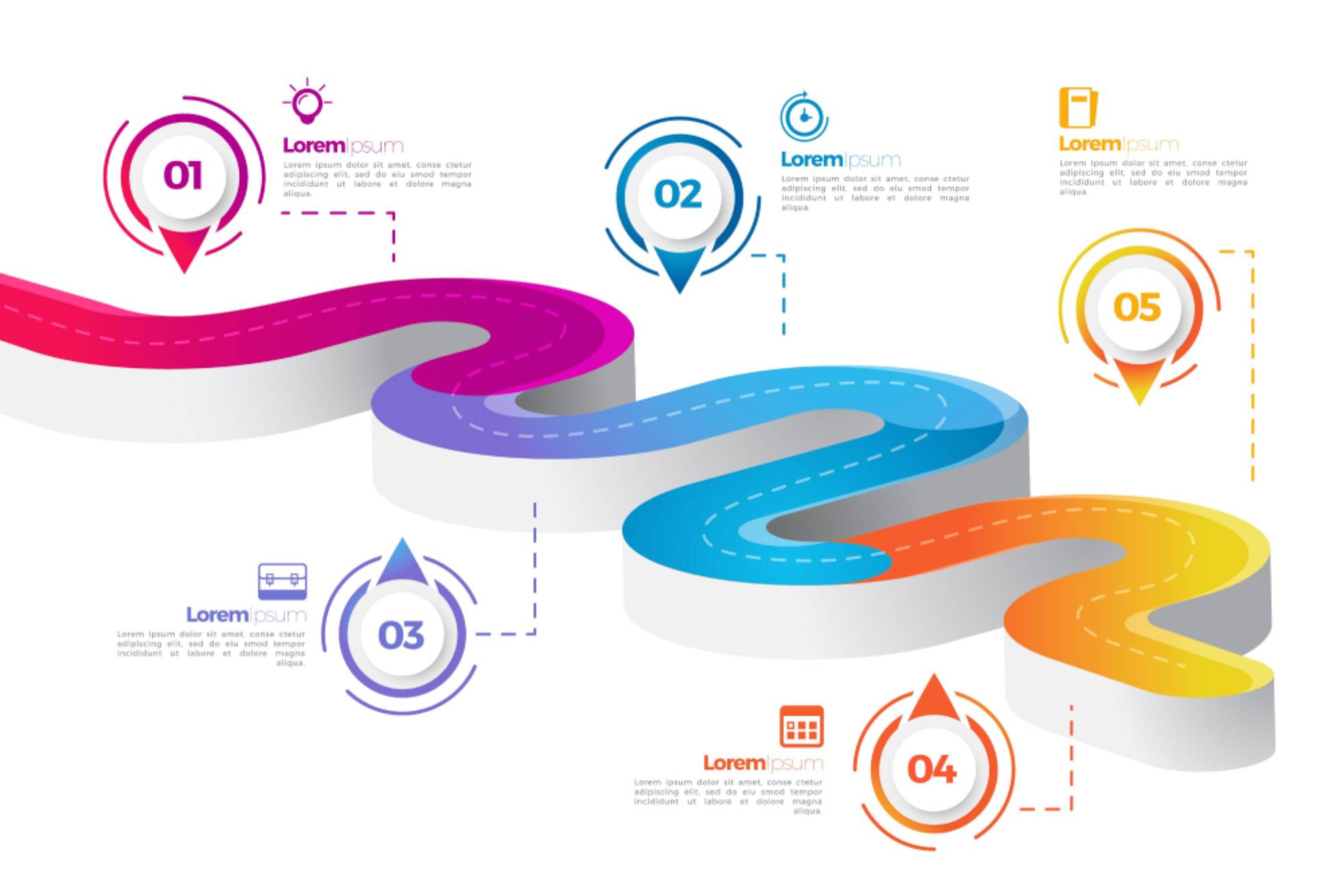
Creating a compelling business website requires careful planning and a well-defined content roadmap. A content roadmap is a strategic plan that outlines the key steps and milestones for developing, organizing, and publishing website content. It serves as a guide to ensure that your website's content aligns with your business objectives, engages your target audience, and drives conversions. Building a content roadmap involves several crucial steps to set your website apart from the competition and maximize its potential.
Step 1: Define Your Goals and Audience:
Before launching any content creation process, it's essential to understand your goals and target audience. Determine the primary purpose of your website – whether it's to showcase products, provide information, or generate leads. Next, identify your target audience's preferences, pain points, and interests. This knowledge will shape the type of content you create and ensure it resonates with your visitors. Writing these down and consistently updating them is necessary to ensure your content is relevant to your audience.
Step 2: Types of Web Content
Various types of web content can enhance your website's overall appeal and engagement. Consider incorporating:
- Informative Articles and Blog Posts: Provide valuable information about your industry, products, or services. They showcase your expertise and improve your website's SEO by attracting organic traffic.
- Engaging Videos: Videos are a powerful way to convey your brand message, demonstrate products, and connect with your audience emotionally.
- Compelling Visuals: High-quality images, infographics, and graphics can capture attention and improve the overall aesthetics of your website.
- Customer Testimonials: Including authentic customer reviews and testimonials builds trust and credibility.
Step 3: Content Generation and Publication
Generating regular content is essential for maintaining a vibrant website. Here are some practical ways to create and publish content:
- Editorial Calendar: Plan content creation and publication using an editorial calendar. It keeps your team organized and ensures a steady flow of fresh content.
- Content Collaboration: Involve subject matter experts, content creators, and designers to develop high-quality and diverse content.
- Keyword Research: Conduct thorough keyword research to identify relevant search terms that align with your content. Incorporate these keywords naturally in your articles to improve SEO performance.
- SEO Optimization: Optimize your content using relevant meta tags, title tags, and heading tags. Additionally, include internal and external links to boost search engine rankings.
Several options are available to website owners to generate content initially for their website. It's important to remember that web content must be constantly refreshed and added. Internal team members can generate content. Outside consultants can also develop it. Additionally, DreamingCode offers Content Services to help you maintain and grow your website content by planning, generating, and publishing engaging content for one monthly fee.
Conclusion
Building a content roadmap for your business website is crucial to online success. By defining clear goals, understanding your target audience, incorporating various types of content, and implementing effective content generation and publication strategies, you can create a stellar website that resonates with your visitors and achieves your business objectives. A well-executed content roadmap will attract organic traffic and keep your audience engaged and drive conversions, ultimately contributing to the overall growth of your business.
Dreaming Code is a partner who can drive your digital success. We provide an industry-leading platform to enable agile and flexible digital experiences. We also offer monthly content services to help you succeed at moving the performance of your digital solution. Our solution consultants are eager to support you to plan, build and scale your digital transformation. Schedule to meet us today!
To learn more about the Dreaming Code eCommerce platform visit: https://dreamingcode.com.
20230728163016.jpeg)
07/28/2023
Sales & Marketing

In the ever-evolving business world, content marketing has proven to be a game-changer for B2C companies looking to connect with their target audience, build brand loyalty, and drive sales. If you're eager to harness the power of content marketing for your B2C business, this comprehensive guide will walk you through the essential steps and best practices to ensure a successful launch.
Step 1: Know Your Audience Inside Out:
Before diving into content creation, it's crucial to understand your target audience like the back of your hand. Conduct thorough market research to identify your potential customers' preferences, pain points, needs, and desires. Creating detailed buyer personas to help you tailor your content to meet their specific interests is also essential.
Step 2: Identify Your Goals and KPIs:
Establish clear and measurable goals for your content marketing strategy. These objectives include increasing website traffic, generating leads, growing social media followers, boosting brand awareness, and improving sales. By setting Key Performance Indicators (KPIs), you'll be able to track and measure the success of your content marketing efforts.
Step 3: Types of Content for B2C Content Marketing:
Blogs and Articles: Craft engaging and informative blog posts and articles that address your audience's pain points, answer their questions and offer valuable insights. Use storytelling and compelling visuals to make your content more captivating.
Social Media Content: Utilize the power of social media to connect with your audience on platforms like Facebook, Instagram, Twitter, LinkedIn, and TikTok. Create eye-catching visuals, short videos, and engaging captions to spark interest and encourage shares.
Videos: Video content has exploded in popularity, so create product demos, explainer videos, customer testimonials, and behind-the-scenes footage to entertain and inform your audience. Infographics: Present complex information in a visually appealing, easy-to-understand, and shareable format. Infographics can be great for explaining statistics, data, or step-by-step processes.
User-Generated Content (UGC): Encourage customers to share their experiences with your products or services through reviews, photos, and videos. UGC adds authenticity to your brand and builds trust among potential customers.
Email Newsletters: Nurture leads and retain customers by sending personalized and relevant email newsletters. Provide valuable content and exclusive offers to keep subscribers engaged.
Step 4: Content Promotion Strategies:
SEO (Search Engine Optimization): Optimize your website and content for relevant keywords to improve your search engine rankings. This will make it easier for your target audience to find your content organically.
Social Media Engagement: Interact with your audience on social media regularly. Respond to comments, messages, and mentions to foster community and build stronger relationships with your followers.
Social Media Advertising: Utilize paid advertising on social media platforms to reach a larger audience, promote your content, and drive traffic to your website.
Influencer Marketing: Collaborate with influencers who align with your brand to extend your reach and credibility. Influencers can introduce your products to their followers in an authentic and relatable way.
Partnerships and Collaborations: Align with other businesses or organizations to co-create content, host joint events, or run promotions. This cross-promotion can introduce your brand to new audiences.
Step 5: Measure, Analyze, and Refine:
Consistently monitor the performance of your content marketing efforts using analytics tools. Measure critical metrics such as website traffic, social media engagement, conversion rates, and ROI. Analyze the data to identify what types of content and promotional strategies are driving the best results. Use this information to refine your content marketing strategy continually.
Launching a successful B2C content marketing strategy requires dedication, creativity, and adaptability. By understanding your audience, creating valuable content, and promoting it strategically, you can build a loyal customer base and propel your B2C business to new heights of success. Remember to stay agile and adjust your approach as needed to stay ahead in the dynamic world of content marketing.
Dreaming Code is a partner who can lead your digital success. We provide an industry-leading platform to enable agile and flexible digital experiences. We also provide knowledge to help you succeed at driving the performance of your digital solution.
Dreaming Code has an experienced team of solution consultants and website designers who support our customers 24/7. Our customers also always have access to our team, and we are always here to provide guidance. If you fail, then we do not succeed. Please schedule an appointment if you want more information on how to support your eCommerce site best.
To learn more about the Dreaming Code eCommerce platform visit: https://dreamingcode.com.

07/26/2023
Sales & Marketing

In the digital age, a website is often the first point of contact for potential customers. A well-structured and user-friendly website can significantly impact how visitors perceive your business. Ensuring simple navigation is crucial to keep visitors engaged and encourage them to explore your products or services further. This blog will explore ten practical tips to make an existing business website easier to navigate.
Simplify the Menu Structure: Streamline your website's menu by organizing it logically and concisely. Avoid overcrowding the navigation bar with too many categories and subcategories. Utilize drop-down menus for subpages to maintain a clean and organized appearance.
Use Descriptive Labels:Ensure menu labels are descriptive and easily understandable to visitors. Avoid using ambiguous terms or industry jargon that might confuse users. Clear and concise labels allow visitors to find what they seek quickly, leading to a more positive user experience.
Implement a Search Bar:Integrate a prominent search bar on your website to cater to users who prefer searching for specific information or products. Ensure the robust search function can return accurate results even for misspellings or partial queries.
Optimize the Homepage:The homepage is often visitors' first impression of your website. Keep it clutter-free and include only essential information and high-quality visuals. Use clear calls-to-action (CTAs) that direct users to critical sections of the site.
Ensure Responsive Design:With an increasing number of users accessing websites through mobile devices, having a responsive design is crucial. Ensure your website adapts to various screen sizes and resolutions, providing a smooth device experience.
Create Intuitive Navigation Paths:Guide users through their journey on the website with intuitive navigation paths. Offer breadcrumbs or explicit links to previous pages to prevent users from getting lost or frustrated.
Prioritize Page Loading Speed:Slow-loading pages can deter visitors and negatively impact your website's ranking in search engines. Optimize images, reduce server response time, and leverage browser caching to improve loading speed.
Conduct User Testing:Invite users to test your website's navigation. Feedback from real users can identify pain points and suggest improvements that may not be apparent from an internal perspective.
Utilize Visual Hierarchy:Use visual cues like font size, color, and spacing to create a hierarchy that guides users' attention. Highlight essential elements, such as CTAs and vital information, to ensure they stand out.
Monitor and Analyze User Behavior:Use analytics tools to track user behavior on your website. Analyze user flow, popular pages, and bounce rates to identify areas of improvement in navigation and content.
Improving website navigation is an ongoing process that requires constant attention to user needs and preferences. By reviewing these core principles of website navigation you can transform your existing business website into a user-friendly platform that keeps visitors engaged and enhances the overall user experience. Remember, a well-navigated webpage can increase conversions and tremendous success for your business.
Dreaming Code is a partner who can lead your digital success. We provide an industry-leading platform to enable agile and flexible digital experiences. We also provide knowledge to help you succeed at driving the performance of your digital solution.
Dreaming Code has an experienced team of solution consultants and website designers who support our customers 24/7. Our customers also always have access to our team, and we are always here to provide guidance. If you fail, then we do not succeed. Please schedule an appointment if you want more information on how to support your eCommerce site best.
To learn more about the Dreaming Code eCommerce platform visit: https://dreamingcode.com.

07/11/2023

Building a website involves many factors, and one of the most crucial aspects is information architecture. Information architecture refers to the organization and structure of content on a website, ensuring that it is intuitive, user-friendly, and easy to navigate. As a website owner, it's essential to understand the significance of a well-designed information architecture, as it can impact the performance of your website. This blog will guide you through creating robust information architecture that aligns with your website business goals and engages your target audience.
Why is it important?
Information architecture is foundational to web design as it defines the overall strategy of how visitors experience a website. Several key points include:
User Experience: A well-designed information architecture ensures a positive user experience by making it easy for visitors to find the information they need and navigate the website. It organizes content logically and intuitively, reducing confusion and frustration. A clear and user-friendly structure enhances engagement, encourages exploration, and keeps visitors on your site for longer durations.
Findability and SEO: Effective information architecture improves the discoverability of your website's content. It ensures that search engines can crawl and index your pages accurately, leading to better search engine visibility and higher rankings. A well-structured website with organized content and relevant internal linking enhances search engine optimization (SEO) efforts, attracting more organic traffic and potential customers.
Content Relevance: Information architecture helps align your website's content with the needs and interests of your target audience. By understanding their preferences and behaviors, you can organize and prioritize content based on what matters most to them. This ensures that visitors quickly locate relevant information, increasing their engagement and likelihood of conversion.
Conversion Optimization: A well-designed information architecture guides visitors through the customer journey, leading them toward conversion. You can optimize the conversion funnel by strategically placing calls-to-action and structuring pages to facilitate seamless navigation. Clear paths and intuitive flows help visitors move from one stage to the next, ultimately boosting conversion rates.
Scalability and Future Growth: Information architecture provides a solid foundation for scalability and future website updates. A well-organized structure allows for easy expansion, adding new content, features, and functionalities without disrupting the overall user experience. It saves time and resources by minimizing the need for extensive redesigns or restructuring as your business evolves.
Branding and Consistency: Information architecture plays a crucial role in shaping your website's look and feel. Consistent navigation, layout, and content organization create a cohesive brand experience. A well-structured website reinforces your brand identity, fosters trust, and enhances credibility with your audience.
How to Build an Architecture for a Well-Functioning Website?
Gathering and incorporating the correct information is essential to develop a website that resonates with your audience. First and foremost, you should design your website with your ideal customer profile in mind.
To create an ideal customer profile, you can start by analyzing your existing customer base and identifying patterns and commonalities among your most satisfied and loyal customers. This includes considering their preferences, buying habits, challenges, and goals. Conducting market research, surveys, or interviews can also provide valuable insights. You can create a detailed profile representing your ideal customer by compiling all this information. This person will most likely benefit from your offerings and become a long-term customer. Consider their demographics, preferences, and behaviors, and create buyer personas to understand their needs better. These personas will serve as the foundation for your information architecture, as they will guide the content and structure of your website. This information that a website needs includes compelling product or service descriptions, engaging blog articles, clear contact information, frequently asked questions (FAQs), testimonials, and a user-friendly interface.
Constructing a Site Map
A site map is a visual representation of your website's structure, outlining the hierarchy of pages and how they interconnect. When constructing a site map, it's vital to consider your buyer personas. Each persona may have different objectives or information needs, so creating a logical flow that caters to their unique requirements is essential. Organize your content based on categories, ensuring it is easily accessible and navigable for each persona. By tailoring the site map to the preferences and behaviors of your target audience, you can enhance their browsing experience and increase the chances of conversion.
Page Structure and Digital Assets
Page structure refers to how the content is arranged and presented on individual web pages. A well-designed page structure conveys information effectively and keeps visitors engaged. Consider the hierarchy of headings and subheadings, utilize bullet points or numbered lists to present information concisely, and ensure a logical flow of content. Additionally, images and other digital assets play a significant role in enhancing a website's visual appeal and user experience. Optimize images for web use, ensure they are relevant and high-quality, and use them strategically to support and complement the textual content.
Information Architecture for an E-commerce Site
For an e-commerce website, information architecture is of paramount importance. It should facilitate a seamless browsing and shopping experience for visitors.
Key considerations include:
- Straightforward and intuitive navigation.
- Categorized product listings.
- Filtering and sorting options.
- Comprehensive product details.
- Secure payment gateways.
- User-friendly shopping cart functionality.
Creating a well-structured and user-centric e-commerce website can boost sales, improve customer satisfaction, and establish a solid online presence.
Information Architecture for a non-E-Commerce Business Website
Even for non-e-commerce websites, effective information architecture is crucial for achieving business objectives. A good information architecture for a business website includes an easily accessible homepage with clear value propositions and a compelling call to action. It should have well-organized navigation menus, relevant and informative content pages, a blog or resource section for sharing industry insights, and a user-friendly contact page. Consider incorporating features like testimonials, case studies, and social proof to build trust and credibility with your target audience.
Key Roles in Designing and Implementing Information Architecture
Designing and implementing information architecture requires collaboration among several vital roles. These roles typically include a web designer focusing on the visual aspects and user interface design, a content strategist planning and organizing the website's content, and a UX/UI designer ensuring a seamless and intuitive user experience. Additionally, input from executive stakeholders, marketing professionals, and developers is vital to align the information architecture with business goals, branding, and technical feasibility.
Poor Information Architecture and its Impact on Performance
Having a poorly designed information architecture impacts the website's performance. It can lead to confusing navigation, making it difficult for visitors to find the information they need, resulting in higher bounce rates and decreased conversions. A cluttered or disorganized website structure can also negatively impact search engine optimization (SEO), making it harder for search engines to index and rank your website. Furthermore, a lack of clear calls-to-action, inadequate content organization, and slow loading times can further frustrate visitors and hinder the overall user experience.
Conclusion
Information architecture plays a pivotal role in the success of a business website. By carefully considering the needs of your target audience, constructing a user-friendly site map, optimizing page structures, and incorporating relevant digital assets, you can create an engaging and intuitive website. Whether you're running an e-commerce site or a non-commerce business website, effective information architecture will improve user experience, drive conversions, and ultimately contribute to the success of your online presence. By prioritizing information architecture, you lay a strong foundation for your website's performance and set yourself apart from the competition.
Dreaming Code is a partner who can lead your digital success. We provide an industry-leading platform to enable agile and flexible digital experiences. We also provide knowledge to help you succeed at driving the performance of your digital solution.
Dreaming Code has an experienced team of solution consultants and website designers who support our customers 24/7. Our customers also always have access to our team, and we are always here to provide guidance. If you fail, then we do not succeed. Please schedule an appointment if you want more information on how to support your eCommerce site best.
To learn more about the Dreaming Code eCommerce platform visit: https://dreamingcode.com.
20230630131753.jpeg)
06/30/2023

Optimizing your website for search engines in the competitive digital landscape is crucial for attracting organic traffic. One powerful tool that can help you achieve this is a keyword planner. In this blog, we will explore what a keyword planner is, how to use it effectively, and highlight some recommended solutions to enhance your SEO strategy.
A keyword planner is a tool designed to assist website owners and digital marketers identify relevant keywords and phrases that users commonly search for in search engines. It provides insights into search volumes, competition levels, and other metrics that help you decide which keywords to target in your content.
Using a Keyword Planner Effectively:
- Identify Your Target Audience: Before diving into a keyword planner, it's essential to understand your target audience. Consider their demographics, interests, and pain points. This knowledge will guide you in selecting relevant keywords that resonate with your audience.
- Research Relevant Keywords: Enter industry-related terms or phrases into the keyword planner. Analyze the suggested keywords provided, paying attention to search volumes and competition levels. Aim for a balance between high search volume and moderate competition to maximize your chances of ranking well.
- Refine Your Keyword List: Narrow your keyword list by selecting highly relevant terms for your content and aligning them with your website's focus. Long-tail keywords, which are more specific phrases, can help target a more niche audience and have lower competition.
- Track Performance and Adapt: Once you've implemented targeted keywords, monitor their performance using analytics tools to track changes in search rankings, organic traffic, and conversions. Adjust your strategy based on the data to optimize your SEO efforts continually.
Keyword Planner Solutions:
Google Ads Keyword Planner: This widely used tool provides keyword suggestions based on search queries entered by users in Google. It offers valuable insights into search volume trends, competition levels, and bid estimates, making it an excellent starting point for keyword research.
SEMrush: With a comprehensive suite of SEO tools, SEMrush offers a powerful keyword research feature. It provides detailed data on keyword volumes, difficulty scores, and even competitor analysis. SEMrush also suggests related keywords and gives insights into long-tail phrases.
Ahrefs Keywords Explorer: Ahrefs is renowned for its backlink analysis and offers a robust keyword research tool. It provides search volume data, keyword difficulty scores, and estimates of click-through rate (CTR). Ahrefs' extensive keyword database helps uncover hidden opportunities and competitive insights.
A keyword planner is a valuable asset in your SEO arsenal, helping you uncover the right keywords to attract targeted traffic to your website. You can optimize your content by understanding your target audience, conducting thorough keyword research, and leveraging user intent. Utilize recommended keyword planner solutions like Google Ads Keyword Planner, SEMrush, and Ahrefs Keywords Explorer to elevate your SEO strategy and stay ahead of the competition. With these tools, you'll be equipped to drive organic traffic and achieve higher visibility in search engine results.
Dreaming Code is a partner who can lead your digital success. We provide an industry-leading platform to enable agile and flexible digital experiences. We also provide knowledge to help you succeed at driving the performance of your digital solution.
Dreaming Code has an experienced team of solution consultants and website designers who support our customers 24/7. Our customers also always have access to our team, and we are always here to provide guidance. If you fail, then we do not succeed. Please schedule an appointment if you want more information on how to support your eCommerce site best.
To learn more about the Dreaming Code eCommerce platform visit: https://dreamingcode.com.
20230615160529.jpeg)
06/15/2023
Sales & Marketing

Setting goals for your email marketing efforts is an important step in creating a focused and measurable strategy. Starting an email marketing strategy from scratch can seem challenging and a long process. Like with any business strategy, it is important to isolate what email marketing needs to achieve and align some achievable goals so that you can set a great strategy.
Here's a step-by-step guide to help you set effective goals for your email marketing campaigns:
- Define your overall business objectives: Start by understanding your broader business goals. What are you aiming to achieve with your digital marketing efforts? Examples could include increasing sales, generating leads, improving customer retention, or boosting website traffic.
- Align email marketing goals with business objectives: Once you have identified your business objectives, determine how email marketing can contribute to those goals. For instance, if your objective is to increase sales, your email marketing goal might be to drive more conversions through targeted promotional campaigns.
- Cost optimization: E-commerce shipping solutions often provide tools to help you optimize shipping costs. They offer rate comparison features that allow you to select the most cost-effective shipping options based on the package's weight, dimensions, and destination. It helps you save money on shipping expenses and improves your overall profitability.
- Make your goals SMART: Ensure your goals are Specific, Measurable, Achievable, Relevant, and Time-bound (SMART). This means clearly defining what you want to achieve, setting specific metrics to track progress, making sure your goals are realistic and attainable, ensuring they align with your overall business objectives, and setting a timeline to achieve them.
- Choose relevant key performance indicators (KPIs): Identify the metrics that will help you measure the success of your email marketing campaigns. Common KPIs include open rates, click-through rates (CTR), conversion rates, revenue generated, unsubscribe rates, and engagement metrics like time spent on your website or the number of pages visited.
- Set specific targets: Once you have defined your KPIs, set specific targets or benchmarks for each metric. These targets will serve as milestones to track your progress and determine the success of your campaigns. For example, you may aim to increase your email open rate by 10% within three months or achieve a 5% increase in click-through rates.
- Continuously monitor and adjust: Regularly track and analyze the performance of your email campaigns against your goals and KPIs. If you find that you're not meeting your targets, consider making adjustments to your strategy, content, or audience segmentation to improve results.
- Iterate and optimize: As you gather data and insights from your campaigns, use that information to refine and optimize your email marketing strategy. Test different approaches, content variations, subject lines, and calls-to-action to improve your email performance and achieve better results over time.
Remember, setting goals for email marketing is an ongoing process. As your business evolves and your marketing landscape changes, regularly review and update your goals to ensure they remain aligned with your overall business objectives.
Dreaming Code is a partner who can lead your digital success. We provide an industry-leading platform to enable agile and flexible digital experiences. We also provide knowledge to help you succeed at driving the performance of your digital solution.
Dreaming Code has an experienced team of solution consultants and website designers who support our customers 24/7. Our customers also always have access to our team, and we are always here to provide guidance. If you fail, then we do not succeed. Please schedule an appointment if you want more information on how to support your eCommerce site best.
To learn more about the Dreaming Code eCommerce platform visit: https://dreamingcode.com.