 Customer Support


Posts by Category

02/24/2025
A well-designed dental website is more than just an online presence—it's a crucial tool for attracting new patients, improving engagement, and ensuring compliance with industry standards like HIPAA. A well-optimized dentist website should provide valuable information and offer security, automation, and clever marketing integrations.
At Dreaming Code, we specialize in building HIPAA-compliant dental websites that enhance user experience, improve search rankings, and simplify digital marketing. We provide end-to-end solutions tailored to the needs of modern dental practices, integrating compliance-driven security, automated marketing tools, AI-powered enhancements, and seamless social media management.
Here's what enables your patients to have a great web experience:
1. HIPAA-Compliant Website Design & Security
A HIPAA-compliant website ensures that patient data is securely stored, shared, and managed according to federal regulations. Non-compliance can result in hefty fines and damage to your practice's reputation. Dreaming Code builds secure dental websites that meet stringent HIPAA security requirements by incorporating encrypted data storage, two-factor authentication, and secure patient forms. Our HIPAA-compliant hosting guarantees the safety of sensitive information while ensuring seamless functionality.How to Ensure a Secure Dental Website:
- SSL Encryption: Encrypt all patient forms, emails, and chat communications.
- Secure Patient Portals: Ensure patient appointment bookings and data access are safely managed.
- HIPAA-Compliant Hosting: Your dental web design should include secure servers that meet HIPAA requirements.
- Access Controls: Limit access to patient data to only authorized personnel.
2. Managing Reviews & Online Reputation for Dental Practices
Online reputation is everything in healthcare. Online reviews for dentists influence patient decisions, build credibility, and improve local dental SEO rankings. Dreaming Code's reputation management solutions automate review collection, allowing practices to request, manage, and showcase patient testimonials effortlessly. We also integrate AI-powered sentiment analysis tools that highlight trends in patient feedback and identify areas for improvement, keeping your practice's reputation strong.Best Practices for Dental Reputation Management:
- Encourage Positive Reviews: Prompt happy patients to leave reviews on Google and social media.
- Respond to Negative Feedback Professionally: Address concerns, offer solutions, and show you care about patient experiences.
- Display Reviews on Your Website: Feature patient testimonials and real success stories prominently.
3. Smart AI Tools for Better Digital Experiences
With advancements in dental AI tools, dentists can streamline operations, enhance patient interactions, and drive conversions. Dreaming Code integrates innovative dental website features, including AI-driven chatbots that answer patient inquiries 24/7, automated appointment scheduling to reduce administrative workload, and AI-powered SEO tools that improve search rankings by analyzing visitor behavior and optimizing content.AI-Powered Features for Smart Dental Websites:
- AI Chatbots for Instant Patient Support
- Automated Appointment Reminders & Scheduling
- AI-Powered SEO Optimization for Higher Search Rankings
- Personalized Content for Patient Engagement
4. Maintaining a Strong Social Media Presence
A strong dentist marketing strategy includes social media to boost engagement and keep your practice top-of-mind. Dreaming Code's automated dental marketing solutions integrate dental social media scheduling, AI-generated content recommendations, and multi-platform posting to keep your practice visible across Facebook, Instagram, and Google My Business without requiring constant manual effort.Effective Dental Digital Marketing Strategies:
- Educational Content: Share tips on oral health, procedures, and new treatments.
- Before & After Photos: Showcase real patient results (with consent).
- Engage With Followers: Respond to comments, answer questions, and encourage bookings.
- Run Promotions & Offers: Special discounts, referral programs, and seasonal campaigns.
Conclusion
A high-performing dental website is more than just a digital brochure—it's a powerful tool for attracting new patients, enhancing engagement, and ensuring compliance. By prioritizing HIPAA-compliant security, reputation management, AI-driven enhancements, and social media integration, dental practices can create a seamless and professional online experience.Dreaming Code builds secure, optimized, and automated dental websites that improve patient interactions, boost search rankings, and simplify marketing efforts. Investing in the right digital solutions ensures your practice stays competitive while delivering exceptional patient experiences. Schedule an appointment with us today to connect with our solution consultants!
FAQs: Essential Components to Good Dental Website Experiences
1. What makes a dental website HIPAA-compliant?A HIPAA-compliant dental website includes encrypted forms, secure hosting, access controls, and data privacy measures to protect patient information.
2. How can a dental website improve its online reputation?
Managing dental reviews and dentist testimonials, responding to feedback, and showcasing patient success stories on your website help improve credibility and attract new patients.
3. What AI tools can improve a dental website's performance?
AI for dental websites includes chatbots, automated appointment scheduling, predictive SEO optimization, and personalized content that enhance patient experience and engagement.
4. Why is social media important for dental practices?
Dental social media helps increase brand awareness, engage with potential patients, showcase expertise, and drive more bookings through digital channels.

11/04/2024
As a business owner, building a fully-featured website that's cost-effective, easy to update, and scalable as your business grows is crucial. Several options are available, from using WordPress with a consultant to working with a SaaS-based digital experience platform. In this blog, we'll explore four options, weighing their pros and cons to help you make the best decision for your business.
WordPress + Consultant
Pros:- Customization: WordPress offers a vast range of plugins and themes, allowing you to customize the website to your needs.
- Open-source platform: Flexibility to add third-party integrations or custom development.
- High Maintenance Costs: Every time you need to make changes or updates, you'll need to hire a consultant, which can become expensive.
- No Hosting Included: You'll need to find your own hosting, adding an extra cost and potential complexity.
- Challenging Plugin Management: Many plugins require manual updates and may conflict with each other, resulting in technical issues that often require a developer to resolve.
- UX Designer Required: Without in-house design talent, you'll need to hire a designer to ensure the site has a user-friendly interface and layout.
Best For: Businesses that want full control over their website but are prepared to invest heavily in maintenance and customization.
Website Builders (like Wix and SquareSpace)
Pros:- Ease of Use: These platforms are beginner-friendly with drag-and-drop functionality, making it easy for non-technical users to set up a basic website.
- Low Initial Costs: Affordable pricing for simple websites with limited functionality.
- Lacks Flexibility: You're limited in how much you can customize the site's structure and design. This could hinder your ability to scale as your business grows.
- Integration Challenges: Integrating third-party tools, CRM systems, or custom functionalities takes time and effort.
- Hosting Limitations: You don't get to choose your hosting provider, meaning you're locked into their hosting services, which may not meet your business needs.
- Limited Design and UX Options: While templates are available, they offer limited design flexibility and customization options, which may affect the user experience.
Best For: Small businesses or startups that need an essential online presence and don't expect to scale or need custom features in the near future.
Web Design Firm
Pros:- Professional Design: You get a high-quality, custom design that reflects your brand's personality.
- Hands-Off Setup: The firm handles all the initial design and development, so you don't need to worry about the technical details.
- No Email Hosting: You'll need to arrange for email hosting separately, adding complexity and cost.
- No Backend Integration: Most web design firms won't provide back-end integration, meaning you'll miss out on connecting key systems like CRM, order management, or accounting.
- Not an End-to-End Solution: After the initial build, you'll need to manage ongoing maintenance and updates yourself, or hire the firm again.
- Ongoing Support Costs: Any future changes, updates, or fixes will require you to hire the firm for support, which can become expensive over time.
Best For: Businesses seeking a high-end, custom-designed website but willing to manage or outsource ongoing updates and support.
SaaS-Based Digital Experience Platform
Pros:- Robust Platform with Ongoing Updates: A SaaS-based platform like Dreaming Code continuously updates your website with the latest features, security patches, and optimizations without extra cost or effort on your part.
- Third-Party App Integration: Seamlessly integrate backend systems like CRM, accounting, and order management for streamlined operations.
- Hosting and Security Included: Hosting and security are part of the package, removing the need for third-party services and ensuring top-tier performance and protection.
- E-commerce Ready: Built-in e-commerce capabilities allow for easy scaling and management of online stores.
- Access to Designers and Developers: Get professional help from in-house designers and developers for custom features or design tweaks.
- Back-End Integration: Fully integrates with your back-end systems, including CRMs and ERP tools, for efficient operations.
- 24/7 Support: A dedicated support team is available around the clock to handle any issues or updates, reducing downtime and keeping your website running smoothly.
- Upfront Cost: It may have a higher initial cost compared to DIY solutions, but it's a cost-effective long-term solution with lower maintenance expenses.
Best For: Businesses looking for a flexible, scalable, and low-maintenance solution that includes everything—hosting, security, support, and integration—all in one platform.
Dreaming Code is an ideal solution for many businesses, including medical and dental practices, manufacturing companies, and salons, where maintaining a professional, user-friendly online presence is essential. Dreaming Code's robust platform benefits these industries with support scheduling, e-commerce, and back-end integrations.
Additionally, service-based retail businesses, such as spas, fitness centers, and consulting firms, can leverage Dreaming Code's capabilities to streamline operations, enhance customer engagement, and scale effortlessly as they grow.
Businesses like law firms, real estate agencies, and professional services can also benefit from Dreaming Code's all-in-one solution, ensuring a seamless digital experience with minimal maintenance.
Conclusion
When it comes to building a fully-featured, scalable, and cost-effective website, Dreaming Code's SaaS-based digital experience platform stands out as the best option. With ongoing updates, seamless third-party app integrations, and 24/7 support, Dreaming Code offers the lowest cost of total ownership, ensuring your website remains up-to-date and requires zero maintenance from your side. It provides the flexibility to grow with your business, making it the ultimate long-term solution for serious businesses.Dreaming Code is a partner who can drive your digital success. We provide an industry-leading platform to enable agile and flexible digital experiences. We have solutions tailored to your needs if you seek advice on driving website traffic and user experience. Our solution consultants are eager to support you in planning, building, and scaling your digital transformation. Schedule to meet us today!

09/26/2024

Your website is more than a website—it's a digital employee that can help you engage with your prospects and customers. Today, more than ever, leveraging website automation tools for small businesses is critical to improving efficiency and customer satisfaction.
Online Scheduling Tools
One of the most impactful ways to bring efficiency is through automated appointment booking systems. By integrating an online scheduling tool directly into your website, businesses can allow customers to book appointments anytime without manual confirmations. These tools save staff time and provide a seamless experience for clients who can easily select available time slots. Automated scheduling systems reduce human error, prevent double bookings, and send reminders to staff and customers—crucial features for businesses looking to minimize no-shows with online scheduling software.
Chatbot Automation
Modern websites can handle various customer engagement functions, such as managing inquiries and follow-ups. With chatbots and automated email responses, businesses can provide instant answers to FAQs, guide customers through booking processes, and offer round-the-clock support without requiring additional staff. These automation tools help handle high inquiries for salons, medical practices, and dental offices. Automating these interactions makes your website a powerful tool for boosting productivity and enhancing customer service.
Synchronized Scheduling
Automating scheduling can significantly streamline operations for businesses like salons and healthcare providers. Salons can use online booking solutions for beauty services to manage busy schedules. At the same time, medical and dental offices can benefit from automated appointment booking systems that sync with patient records and send pre-appointment instructions. Utilizing website automation can reduce the administrative burden on staff while improving the overall customer experience.
Conclusion:
Automating business processes like appointment scheduling and customer service through your website offers numerous advantages, including time savings, reduced human error, and improved customer satisfaction. It's essential for any business where managing appointments and client interactions is crucial. By leveraging website automation tools for small businesses, you can streamline operations, enhance customer experiences, and drive long-term growth.
Dreaming Code Inc. is a partner who can drive your digital success. We provide an industry-leading platform to enable agile and flexible digital experiences. We also offer monthly content services to help you succeed at moving the performance of your digital solution. Our solution consultants are eager to support you in planning, building, and scaling your digital transformation. Schedule to meet us today!
To learn more about the Dreaming Code eCommerce platform visit: http://dreamingcode.com.

09/09/2024

Every company must embrace digital, and having a high-performing website is crucial for success. There are various ways to deliver and maintain an effective digital presence that depends on business goals, technical capabilities, and the role of your website for your visitors.
Companies without great technical skills seek partners like Dreaming Code, which offers a comprehensive managed web services solution explicitly tailored for non-technical business owners, enabling them to maintain fresh, secure, and content-rich websites without needing technical expertise.
Why use a managed service to support my website?
Access to a Full-Service Web Team
By partnering with Dreaming Code, you can access a diverse team of experts, including web developers, designers, content creators, and SEO specialists. The team allows you to leverage professional skills without the cost of hiring full-time employees, ensuring your website remains cutting-edge and competitive.
Seamless Integration of Technology and Business Goals
Our team works closely with you to align your web presence with your business objectives. We develop a cohesive, long-term strategy that adapts to market changes and your evolving needs, ensuring your website consistently supports your business growth.
Rapid Deployment of Features and Content
Dreaming Code's platform and agile approach allow for quick new features and content implementation. Our platform gives customers software and a full spectrum of skill sets in one comprehensive package, such as designers, developers, SEO experts, social media specialists, and analysts. This flexibility enables you to capitalize on market opportunities swiftly, keeping your website fresh and engaging for visitors.
Key Features of Managed Web Services
State-of-the-Art Platform Management
We handle all technical aspects of your website, including hosting, security updates, and performance optimization. The platform allows you to focus on your core business while we ensure your site runs smoothly on an enterprise-level platform.
Data-Driven Decision Making
Our services include comprehensive analytics and user feedback monitoring. We provide custom dashboards that aggregate data from multiple sources, enabling informed decision-making to enhance your web marketing strategy.
Continuous Content Optimization
Dreaming Code's content experts make sure your website stays current with fresh, relevant content. We optimize for search engines and user engagement, helping to improve your online visibility and attract more potential customers.
Responsive Design and Mobile Optimization
We ensure your website looks great and functions flawlessly across all devices, providing an optimal user experience that can lead to increased conversions and customer satisfaction.
By choosing Dreaming Code's managed web services, non-technical business owners can enjoy peace of mind knowing their website is in expert hands. Our comprehensive approach combines technical expertise, strategic planning, and ongoing optimization to deliver a top-performing web presence that drives business growth.
Conclusion
By choosing Dreaming Code's managed web services, non-technical business owners can enjoy peace of mind knowing their website is in expert hands. Our comprehensive approach combines technical expertise, strategic planning, and ongoing optimization to deliver a top-performing web presence that drives business growth.
Dreaming Code Inc. is a partner who can drive your digital success. We provide an industry-leading platform to enable agile and flexible digital experiences. We also offer monthly content services to help you succeed at moving the performance of your digital solution. Our solution consultants are eager to support you in planning, building, and scaling your digital transformation. Schedule to meet us today!
To learn more about the Dreaming Code eCommerce platform visit: http://dreamingcode.com.

10/06/2023
In 2023, the landscape of Americans with Disabilities Act (ADA) compliance is evolving to meet the dynamic needs of digital accessibility for Americans. These guidelines are also a derivative of the Web Content Accessibility Guidelines (WCAG). They are part of a series of web accessibility guidelines published by the Web Accessibility Initiative of the World Wide Web Consortium (W3C), the leading international standards organization for the Internet. Understanding the key trends can ensure that businesses meet legal requirements and create an inclusive online environment for all users. These guidelines help drive traffic and improve the user experience for every digital website.
Trends for ADA Compliance in 2023
AI-Powered Accessibility Tools:
Today, accessibility tools are becoming more sophisticated by leveraging AI and machine learning. These technologies can automatically identify and fix common accessibility issues, making it easier for businesses to maintain compliance. More on that later.
Mobile Accessibility Focus:
With the increasing reliance on mobile devices, ADA compliance efforts are shifting towards ensuring mobile accessibility. It includes optimizing mobile apps and websites for screen readers, touch navigation, and voice control.
Fully Managed E-commerce Solution: A fully managed e-commerce solution typically offers more extensive customization options, often allowing businesses to build completely tailored online stores. These solutions are designed to accommodate complex business needs and unique design requirements.
Emphasis on Inclusive Design:
Inclusive design principles are gaining prominence. This approach involves designing products and services from the outset to be usable by as many people as possible, regardless of their abilities or disabilities.
Fully Managed E-commerce Solution: With a fully managed solution, you may have more control over the hosting environment, data, and codebase. This level of control can be advantageous for businesses that require specific technical configurations or have strict data security requirements.
Achieving ADA Compliance in 2023
Conducting Thorough Audits:
Shopify handles many aspects of maintenance, updates, security, and customer support. This can be convenient for businesses that want to focus on selling products rather than managing technical details.
Implementing Accessible Design Practices:
Integrate accessible design principles from the outset of any digital project. Prioritize features like alt text for images, keyboard navigation, and proper heading structures to ensure a seamless experience for all users.
Regular Testing and Monitoring:
Establish regular testing schedules and ongoing monitoring to address any accessibility issues promptly. This proactive approach helps maintain compliance throughout the year.
Evolving Legal Standards:
Stay updated with any changes in ADA compliance laws and regulations. Regularly review legal requirements to ensure ongoing compliance.
Content Updates and Changes:
Whenever content is added or modified, ensure that it maintains accessibility standards. It includes adding alt text for new images and verifying that interactive elements remain user-friendly.
User Feedback and Testing:
Actively seek feedback from users, including those with disabilities, to identify accessibility challenges. Incorporate this feedback into your ongoing compliance efforts.
Staying on top of ADA compliance trends in 2023 involves embracing new technologies, prioritizing inclusive design, and maintaining vigilance through regular audits and testing. Fortunately, DreamingCode Radical Support can offer this to websites as a subscriber to our platform. We handle all the regular updates and audits using our partner, Userway. By understanding the evolving landscape and addressing accessibility proactively, businesses can create a digital environment that is welcoming and accessible to all users.
Dreaming Code is a partner who can drive your digital success. We provide an industry-leading platform to enable agile and flexible digital experiences. We also offer monthly content services to help you succeed at moving the performance of your digital solution. Our solution consultants are eager to support you in planning, building, and scaling your digital transformation. Schedule to meet us today!
To learn more about the Dreaming Code eCommerce platform visit: http://dreamingcode.com.
Trends for ADA Compliance in 2023
AI-Powered Accessibility Tools:
Today, accessibility tools are becoming more sophisticated by leveraging AI and machine learning. These technologies can automatically identify and fix common accessibility issues, making it easier for businesses to maintain compliance. More on that later.
Mobile Accessibility Focus:
With the increasing reliance on mobile devices, ADA compliance efforts are shifting towards ensuring mobile accessibility. It includes optimizing mobile apps and websites for screen readers, touch navigation, and voice control.
Fully Managed E-commerce Solution: A fully managed e-commerce solution typically offers more extensive customization options, often allowing businesses to build completely tailored online stores. These solutions are designed to accommodate complex business needs and unique design requirements.
Emphasis on Inclusive Design:
Inclusive design principles are gaining prominence. This approach involves designing products and services from the outset to be usable by as many people as possible, regardless of their abilities or disabilities.
Fully Managed E-commerce Solution: With a fully managed solution, you may have more control over the hosting environment, data, and codebase. This level of control can be advantageous for businesses that require specific technical configurations or have strict data security requirements.
Achieving ADA Compliance in 2023
Conducting Thorough Audits:
Shopify handles many aspects of maintenance, updates, security, and customer support. This can be convenient for businesses that want to focus on selling products rather than managing technical details.
Implementing Accessible Design Practices:
Integrate accessible design principles from the outset of any digital project. Prioritize features like alt text for images, keyboard navigation, and proper heading structures to ensure a seamless experience for all users.
Regular Testing and Monitoring:
Establish regular testing schedules and ongoing monitoring to address any accessibility issues promptly. This proactive approach helps maintain compliance throughout the year.
Evolving Legal Standards:
Stay updated with any changes in ADA compliance laws and regulations. Regularly review legal requirements to ensure ongoing compliance.
Content Updates and Changes:
Whenever content is added or modified, ensure that it maintains accessibility standards. It includes adding alt text for new images and verifying that interactive elements remain user-friendly.
User Feedback and Testing:
Actively seek feedback from users, including those with disabilities, to identify accessibility challenges. Incorporate this feedback into your ongoing compliance efforts.
Staying on top of ADA compliance trends in 2023 involves embracing new technologies, prioritizing inclusive design, and maintaining vigilance through regular audits and testing. Fortunately, DreamingCode Radical Support can offer this to websites as a subscriber to our platform. We handle all the regular updates and audits using our partner, Userway. By understanding the evolving landscape and addressing accessibility proactively, businesses can create a digital environment that is welcoming and accessible to all users.
Dreaming Code is a partner who can drive your digital success. We provide an industry-leading platform to enable agile and flexible digital experiences. We also offer monthly content services to help you succeed at moving the performance of your digital solution. Our solution consultants are eager to support you in planning, building, and scaling your digital transformation. Schedule to meet us today!
To learn more about the Dreaming Code eCommerce platform visit: http://dreamingcode.com.

10/02/2023
Shopify and fully managed e-commerce solutions are both platforms that enable businesses to set up and operate online stores. However, there are some key differences between the two:
1. Scope and Customization:
Shopify: Shopify is a popular e-commerce platform that provides a user-friendly interface for creating and managing online stores. While it offers a wide range of themes, templates, and plugins to customize your store, there may be limitations in terms of design and functionality compared to fully managed solutions.
Fully Managed E-commerce Solution: A fully managed e-commerce solution typically offers more extensive customization options, often allowing businesses to build completely tailored online stores. These solutions are designed to accommodate complex business needs and unique design requirements.
2. Control and Ownership:
Shopify: When you use Shopify, your store is hosted on Shopify's servers. While you have control over the store's design and content, you are still operating within the framework provided by Shopify.
Fully Managed E-commerce Solution: With a fully managed solution, you may have more control over the hosting environment, data, and codebase. This level of control can be advantageous for businesses that require specific technical configurations or have strict data security requirements.
3. Maintenance and Support:
Shopify: Shopify handles many aspects of maintenance, updates, security, and customer support. This can be convenient for businesses that want to focus on selling products rather than managing technical details.
Fully Managed E-commerce Solution: A fully managed solution might offer more personalized support and maintenance services. This can be valuable if your business requires dedicated assistance or has complex technical needs.
4. Scalability:
Shopify: Shopify is designed to be user-friendly and accessible to businesses of various sizes. It offers scalable plans that can accommodate both small and large e-commerce operations.
Fully Managed E-commerce Solution: Fully managed solutions might offer greater scalability, especially for larger enterprises or businesses with rapidly growing sales volumes. These solutions can often handle high traffic and extensive product catalogs.
5. Integration and Custom Development:
Shopify: Shopify provides an app store and API that allow you to integrate third-party tools and services. While it offers integration options, fully customizing or developing unique functionalities might have limitations.
Fully Managed E-commerce Solution: A fully managed solution may offer more flexibility in terms of integrating with other systems, customizing features, and developing bespoke functionalities tailored to your business processes.
6. Costs:
Shopify: Shopify offers various pricing tiers, allowing businesses to choose a plan that fits their budget. Additional costs may arise from app subscriptions, transaction fees, and design customizations.
Fully Managed E-commerce Solution: The cost of a fully managed solution can vary widely based on the provider and the level of customization and support required. It's important to carefully evaluate pricing structures and compare them to the specific needs of your business.
In summary, Shopify is a widely used and accessible e-commerce platform suitable for a range of businesses. On the other hand, fully managed e-commerce solutions like Dreaming Code offer more extensive customization, control, and scalability options, making them a good choice for businesses with complex needs and specific technical requirements. The decision between the two depends on factors such as your business size, growth projections, technical expertise, and desired level of control over your online store.
Dreaming Code is a partner who can drive your digital success. We provide an industry-leading platform to enable agile and flexible digital experiences. We also offer monthly content services to help you succeed at moving the performance of your digital solution. Our solution consultants are eager to support you in planning, building, and scaling your digital transformation. Schedule to meet us today!
To learn more about the Dreaming Code eCommerce platform visit: http://dreamingcode.com.
20230927153933.jpeg)
09/27/2023
20230927153933.jpeg)
Replatforming is a strategic move that brands undertake for various reasons. One of the main drivers is the need for enhanced functionality and features. As businesses grow, they often outgrow their current platforms and require more robust solutions to meet evolving needs. Technological advancements play a crucial role. Outdated platforms can lead to performance issues, security vulnerabilities, and a lack of compatibility with modern integrations.
Furthermore, improving the user experience is a significant motivator. A seamless, user-friendly website is essential for customer satisfaction and retention. By understanding these drivers, brands can embark on a re platforming journey with clarity and purpose.
The Re-platforming Process:
Evaluate Current Platform: Begin by thoroughly assessing your existing platform. Identify its strengths, weaknesses, and areas where it needs to meet your business objectives.
Define Objectives and Goals: Clearly outline your aim with the re-platform. including improved performance, better user experience, enhanced scalability, or increased conversion rates.
Research and Select the Right Platform: Explore different e-commerce platforms and choose one that aligns with your business needs, budget, and long-term goals. Consider factors like features, scalability, integration capabilities, and user-friendliness.
Plan Content Migration: Develop a content migration strategy to seamlessly transition from the old platform to the new one. This involves transferring product listings, images, descriptions, and other essential content.
Customization and Development: Customize the chosen platform to suit your brand's requirements. This may involve creating custom functionalities, designing the user interface, and integrating third-party tools.
Testing and Quality Assurance: Thoroughly test the new platform to identify and rectify any bugs, glitches, or compatibility issues. This phase is crucial for ensuring a smooth launch.
Data Backup and Security Measures: Prioritize data security by implementing robust backup procedures and security measures to protect customer information and sensitive data.
Checklist for a Successful Replatform
Dreaming Code built a platform that has been successful for brands of all sizes. We have taken all our experience to provide a detailed checklist that brands can use to guide them through their digital transformation.
1. Comprehensive Research: Ensure you've thoroughly researched and selected the most suitable platform for your business needs.
2. Clear Objectives: Define specific goals and objectives for the re-platforming project.
3. Experienced Development Team: Engage a skilled team or agency with experience in re-platforming to lead the process.
4. Thorough Testing: Rigorously test the new platform to identify and address any issues before launch.
5. Data Migration Plan: Create a detailed strategy for migrating existing data to the new platform, ensuring everything is preserved and maintained.
6. SEO Considerations: Implement a plan to preserve existing SEO rankings and ensure a smooth transition for search engines.
7. Customer Communication: Keep customers informed about the upcoming changes, emphasizing the benefits of the new platform.
8. Post-Launch Monitoring: Continuously monitor the performance of the new platform after launch, addressing any issues promptly.
Dreaming Code Digital Experience Platform:
The Dreaming Code Platform is a robust and scalable platform to deliver compelling digital experiences for all types of brands. Our modular approach allows brands to deploy only the features they need but affords the flexibility to grow as your business scales.
Our team of skilled designers and developers is world-class in designing and developing e-commerce, b2b, and subscription platforms. We start mobile first and build responsive designs so that your brand, platform, and business are beautifully presented and successfully utilized.
Our Project Managers have migrated hundreds of websites from existing platforms. We have a batch Product, Customer, and Image upload that puts your business on our platform in a short timeline. Frequently, this is an excellent clean start for companies looking to re-organize their online offering.
Conclusion
Replatforming is a critical step in evolving with the digital landscape. By understanding the drivers, following a structured process, and adhering to a comprehensive checklist, brands can navigate this transition successfully. With careful planning and execution, a new platform can unlock opportunities for growth, enhanced user experiences, and improved business outcomes.
Dreaming Code is a partner who can drive your digital success. We provide an industry-leading platform to enable agile and flexible digital experiences. We also offer monthly content services to help you succeed at moving the performance of your digital solution. Our solution consultants are eager to support you in planning, building, and scaling your digital transformation. Schedule to meet us today!
To learn more about the Dreaming Code eCommerce platform visit: http://dreamingcode.com.

09/22/2023
In the realm of digital solutions, two prominent options stand out: WordPress and fully managed digital experience solutions like Dreaming Code. Each approach offers unique features and benefits, catering to distinct needs and preferences. In this comparison blog, we'll dissect the differences between these two alternatives, helping you make an informed decision for your digital endeavors.
1. Flexibility and Customization:
WordPress: Known for its flexibility, WordPress empowers users to design and customize their websites to match their exact specifications. A vast array of themes, plugins, and coding options are available, allowing for extensive customization.
Fully Managed Digital Solution: A fully managed digital solution might provide a balance between flexibility and convenience. While not as customizable as WordPress, it often offers pre-built templates and layouts that can be tailored to your branding. It's an ideal choice if you seek customization without delving deep into technical details.
2. Technical Expertise:
WordPress: Building and managing a WordPress website might require a certain level of technical proficiency. Users need to handle updates, security measures, and potential troubleshooting.
Fully Managed Digital Solution: This option is designed for those who want to focus on content creation rather than technical aspects. Managed solutions typically handle updates, security, and maintenance, freeing you from these responsibilities.
3. Scalability:
WordPress: As your website grows, scaling it on WordPress may demand more resources and optimization efforts. You'll need to ensure that your hosting plan can handle increased traffic and data.
Fully Managed Digital Solution: Managed solutions often offer scalability options that can accommodate growing traffic and evolving needs. This makes them a reliable choice for businesses anticipating rapid expansion.
4. Time and Efficiency:
WordPress: Setting up and maintaining a WordPress website requires time and effort. Customizations, installations, and ongoing management tasks can be time-consuming. Managing the multitude of plugins can also create challenges if not implemented properly.
Fully Managed Digital Solution: Managed solutions prioritize convenience and efficiency. With pre-configured settings and streamlined setups, you can have your digital presence up and running swiftly.
5. Security and Support:
WordPress: While WordPress provides security measures, managing security updates and protecting against vulnerabilities can be a concern for individual users.
Fully Managed Digital Solution: Managed solutions often come with built-in security features and regular updates to safeguard your website. Additionally, they offer dedicated customer support to address any issues that arise.
6. Cost Considerations:
WordPress: While WordPress itself is free, costs can accrue from hosting, themes, plugins, and potentially hiring professionals for customization and technical support.
Fully Managed Digital Solution: Managed solutions typically involve a monthly fee that covers hosting, security, updates, and support. This predictable cost structure can be advantageous for budget planning.
In conclusion, the choice between WordPress and a fully managed digital solution depends on your priorities, technical proficiency, scalability needs, and desired level of control. If you seek extensive customization and are comfortable managing technical aspects, WordPress might be suitable. On the other hand, a fully managed digital solution offers convenience, security, and scalability for those who prioritize a hassle-free digital presence. By carefully evaluating your requirements, you can make an informed decision that aligns with your digital goals.
Dreaming Code is a partner who can drive your digital success. We provide an industry-leading platform to enable agile and flexible digital experiences. We also offer monthly content services to help you succeed at moving the performance of your digital solution. Our solution consultants are eager to support you in planning, building, and scaling your digital transformation. Schedule to meet us today!
To learn more about the Dreaming Code eCommerce platform visit: http://dreamingcode.com.

08/07/2023

So you have decided it's time for a new website. There are many options to explore, and these all have implications around cost, level of technical expertise, time, and the type of website you need.
Using a managed service web platform offers several advantages over building a website on your own or using a web agency. Here are some reasons why a managed service web platform can be a better choice:
1. Ease of Use and No Setup: Managed service web platforms are designed to be simple, making it easy for individuals without extensive technical expertise to launch and manage a website. The setup process is streamlined, where the vendor provides upfront design and development support, so you don't need to do anything technical. They have reference designs, and should you need changes or unique designs, their platform can support this need. This means you can get your website up and running quickly without complex coding or configurations.
2. Cost-Effectiveness: Building a website from scratch or hiring a web agency can be costly. A managed service web platform typically offers various pricing plans, including free options with basic features and premium plans with more advanced functionalities. The overall cost is often more predictable and affordable than custom website development or agency fees.
3. Hosting and Maintenance Included: A managed service platform handles website hosting and maintenance for you. This means you don't need to worry about finding a separate hosting provider or dealing with technical aspects like server management, updates, and security. The platform handles all these tasks, ensuring your website remains secure and accessible to users.
4. Technical Support and Customer Service: With a managed service platform, you can access technical support and customer service to help you with any issues or questions. This support can be valuable, especially if you need a dedicated IT team to handle website-related problems. Quick and reliable assistance can save time and prevent potential disruptions to your website.
5. Regular Updates and Security Patches: Managed service platforms regularly update their software, plugins, and security measures to keep your website running smoothly and protect it from vulnerabilities. This proactive approach helps ensure your website remains secure and up-to-date without requiring constant manual intervention.
6. Scalability and Flexibility: Managed service platforms often offer a range of features and add-ons that allow you to scale your website as your business grows. Without extensive development work, you can easily add new pages, features, and functionalities. This flexibility ensures your website can adapt to changing business needs and requirements.
7. Pre-designed Templates: Managed service platforms typically provide a selection of professionally designed templates that you can customize to match your brand and style. These templates are optimized for responsiveness and user experience, saving you time and effort in creating a website from scratch.
8. Time-Saving: Using a managed service platform can significantly reduce the time it takes to build and launch a website. Since the platform handles many technical aspects, you can focus more on creating content, optimizing user experience, and growing your business.
9. Pre-Built Integrations - Prebuilt integrations for websites and ERP backends are essential because they offer numerous advantages that streamline development processes, enhance functionality, and improve overall efficiency. Developing custom integrations can be expensive, requiring additional resources and specialized expertise. Prebuilt integrations often come with affordable pricing models, making them a cost-effective solution for businesses of all sizes.
While using a managed service web platform has advantages, it may only be suitable for some scenarios. Businesses with specific and complex requirements or those seeking highly unique designs might still prefer the level of customization and control that comes with building a website on their own or working with a web agency. Ultimately, the choice depends on your needs, budget, and technical expertise.
Dreaming Code is a partner who can drive your digital success. We provide an industry-leading platform to enable agile and flexible digital experiences. We also offer monthly content services to help you succeed at moving the performance of your digital solution. Our solution consultants are eager to support you to plan, build and scale your digital transformation. Schedule to meet us today!
To learn more about the Dreaming Code eCommerce platform visit: http://dreamingcode.com.

08/03/2023
Sales & Marketing
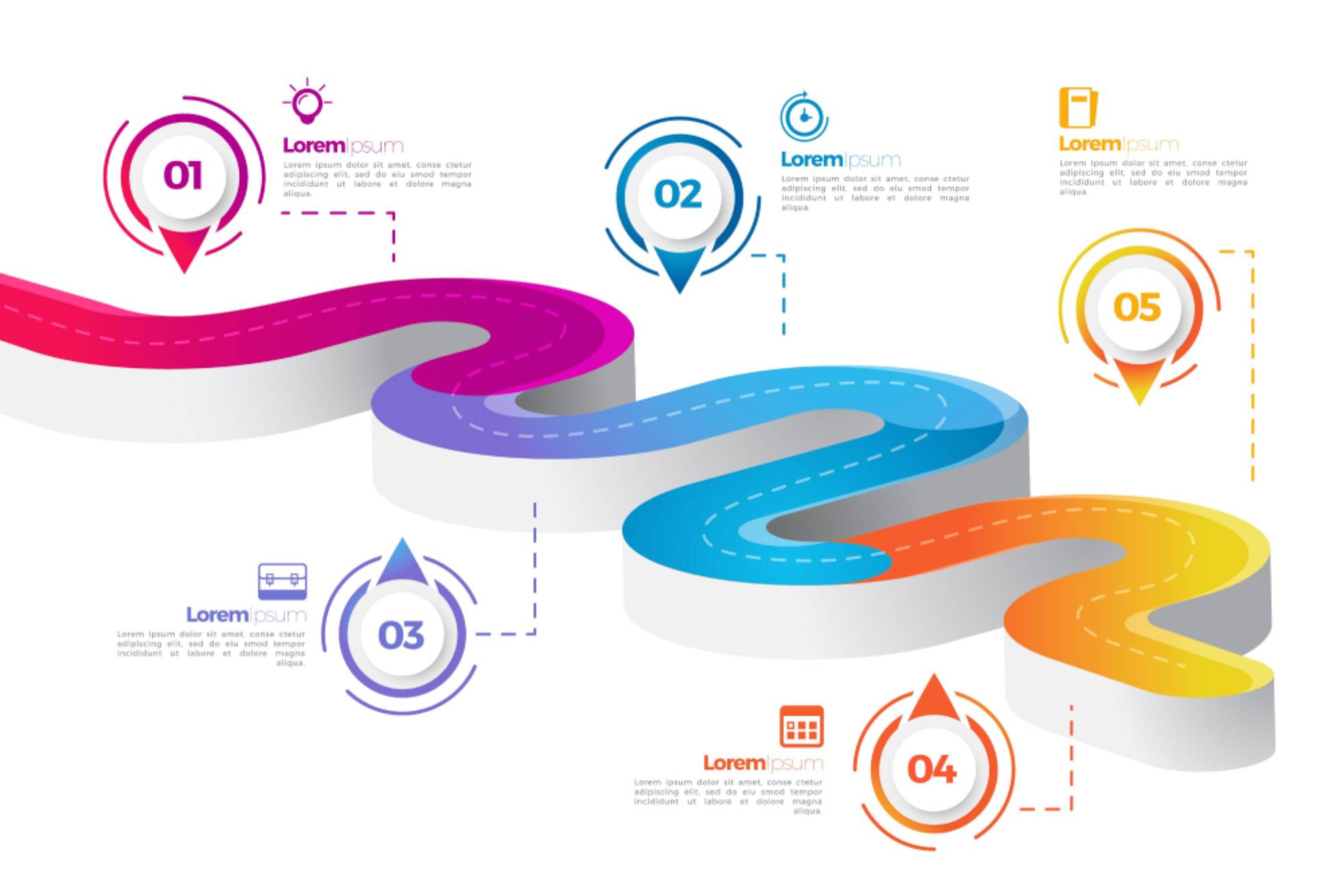
Creating a compelling business website requires careful planning and a well-defined content roadmap. A content roadmap is a strategic plan that outlines the key steps and milestones for developing, organizing, and publishing website content. It serves as a guide to ensure that your website's content aligns with your business objectives, engages your target audience, and drives conversions. Building a content roadmap involves several crucial steps to set your website apart from the competition and maximize its potential.
Step 1: Define Your Goals and Audience:
Before launching any content creation process, it's essential to understand your goals and target audience. Determine the primary purpose of your website – whether it's to showcase products, provide information, or generate leads. Next, identify your target audience's preferences, pain points, and interests. This knowledge will shape the type of content you create and ensure it resonates with your visitors. Writing these down and consistently updating them is necessary to ensure your content is relevant to your audience.
Step 2: Types of Web Content
Various types of web content can enhance your website's overall appeal and engagement. Consider incorporating:
- Informative Articles and Blog Posts: Provide valuable information about your industry, products, or services. They showcase your expertise and improve your website's SEO by attracting organic traffic.
- Engaging Videos: Videos are a powerful way to convey your brand message, demonstrate products, and connect with your audience emotionally.
- Compelling Visuals: High-quality images, infographics, and graphics can capture attention and improve the overall aesthetics of your website.
- Customer Testimonials: Including authentic customer reviews and testimonials builds trust and credibility.
Step 3: Content Generation and Publication
Generating regular content is essential for maintaining a vibrant website. Here are some practical ways to create and publish content:
- Editorial Calendar: Plan content creation and publication using an editorial calendar. It keeps your team organized and ensures a steady flow of fresh content.
- Content Collaboration: Involve subject matter experts, content creators, and designers to develop high-quality and diverse content.
- Keyword Research: Conduct thorough keyword research to identify relevant search terms that align with your content. Incorporate these keywords naturally in your articles to improve SEO performance.
- SEO Optimization: Optimize your content using relevant meta tags, title tags, and heading tags. Additionally, include internal and external links to boost search engine rankings.
Several options are available to website owners to generate content initially for their website. It's important to remember that web content must be constantly refreshed and added. Internal team members can generate content. Outside consultants can also develop it. Additionally, DreamingCode offers Content Services to help you maintain and grow your website content by planning, generating, and publishing engaging content for one monthly fee.
Conclusion
Building a content roadmap for your business website is crucial to online success. By defining clear goals, understanding your target audience, incorporating various types of content, and implementing effective content generation and publication strategies, you can create a stellar website that resonates with your visitors and achieves your business objectives. A well-executed content roadmap will attract organic traffic and keep your audience engaged and drive conversions, ultimately contributing to the overall growth of your business.
Dreaming Code is a partner who can drive your digital success. We provide an industry-leading platform to enable agile and flexible digital experiences. We also offer monthly content services to help you succeed at moving the performance of your digital solution. Our solution consultants are eager to support you to plan, build and scale your digital transformation. Schedule to meet us today!
To learn more about the Dreaming Code eCommerce platform visit: http://dreamingcode.com.

07/26/2023
Sales & Marketing

In the digital age, a website is often the first point of contact for potential customers. A well-structured and user-friendly website can significantly impact how visitors perceive your business. Ensuring simple navigation is crucial to keep visitors engaged and encourage them to explore your products or services further. This blog will explore ten practical tips to make an existing business website easier to navigate.
Simplify the Menu Structure: Streamline your website's menu by organizing it logically and concisely. Avoid overcrowding the navigation bar with too many categories and subcategories. Utilize drop-down menus for subpages to maintain a clean and organized appearance.
Use Descriptive Labels:Ensure menu labels are descriptive and easily understandable to visitors. Avoid using ambiguous terms or industry jargon that might confuse users. Clear and concise labels allow visitors to find what they seek quickly, leading to a more positive user experience.
Implement a Search Bar:Integrate a prominent search bar on your website to cater to users who prefer searching for specific information or products. Ensure the robust search function can return accurate results even for misspellings or partial queries.
Optimize the Homepage:The homepage is often visitors' first impression of your website. Keep it clutter-free and include only essential information and high-quality visuals. Use clear calls-to-action (CTAs) that direct users to critical sections of the site.
Ensure Responsive Design:With an increasing number of users accessing websites through mobile devices, having a responsive design is crucial. Ensure your website adapts to various screen sizes and resolutions, providing a smooth device experience.
Create Intuitive Navigation Paths:Guide users through their journey on the website with intuitive navigation paths. Offer breadcrumbs or explicit links to previous pages to prevent users from getting lost or frustrated.
Prioritize Page Loading Speed:Slow-loading pages can deter visitors and negatively impact your website's ranking in search engines. Optimize images, reduce server response time, and leverage browser caching to improve loading speed.
Conduct User Testing:Invite users to test your website's navigation. Feedback from real users can identify pain points and suggest improvements that may not be apparent from an internal perspective.
Utilize Visual Hierarchy:Use visual cues like font size, color, and spacing to create a hierarchy that guides users' attention. Highlight essential elements, such as CTAs and vital information, to ensure they stand out.
Monitor and Analyze User Behavior:Use analytics tools to track user behavior on your website. Analyze user flow, popular pages, and bounce rates to identify areas of improvement in navigation and content.
Improving website navigation is an ongoing process that requires constant attention to user needs and preferences. By reviewing these core principles of website navigation you can transform your existing business website into a user-friendly platform that keeps visitors engaged and enhances the overall user experience. Remember, a well-navigated webpage can increase conversions and tremendous success for your business.
Dreaming Code is a partner who can lead your digital success. We provide an industry-leading platform to enable agile and flexible digital experiences. We also provide knowledge to help you succeed at driving the performance of your digital solution.
Dreaming Code has an experienced team of solution consultants and website designers who support our customers 24/7. Our customers also always have access to our team, and we are always here to provide guidance. If you fail, then we do not succeed. Please schedule an appointment if you want more information on how to support your eCommerce site best.
To learn more about the Dreaming Code eCommerce platform visit: http://dreamingcode.com.

05/30/2023
Sales & Marketing

WordPress is a popular content management system (CMS) that powers millions of websites worldwide. While it offers various advantages, there may be better choices for businesses seeking a robust and scalable digital experience.
This blog will delve into the disadvantages and extra effort associated with using WordPress and highlight the advantages of SaaS-based cloud platforms that give maximum flexibility and zero maintenance.
Limited Scalability:
Initially designed for blogging, WordPress needs help to handle large-scale business websites. As your business grows, you may encounter the following disadvantages:
- Performance issues: High traffic volumes and complex functionalities can strain WordPress, resulting in slower load times and decreased user experience.
- Lack of flexibility: Scaling a WordPress site requires significant customization and optimization efforts, which can be time-consuming and costly.
Maintenance and Security:
Maintaining a WordPress website requires constant attention to ensure optimal performance and security. Here are some challenges you may encounter:
- Updates and compatibility: Frequent updates, including themes and plugins, can introduce compatibility issues, potentially leading to broken functionality or vulnerabilities.
- Security risks: WordPress's popularity makes it a prime target for hackers, and vulnerabilities in themes or plugins can put your website and user data at risk.
Complex Customization:
While WordPress offers a range of themes and plugins, extensive customization can be challenging and may require additional effort:
- Technical expertise: Implementing custom designs or functionalities requires coding skills, which may be beyond the capabilities of the average business owner.
- Plugin dependency: Using plugins can lead to conflicts, performance issues, and potential security vulnerabilities.
The Value of a Cloud SaaS Solution:
Many companies seeking flexibility and low costs to maintain their digital business presence are now looking at cloud-based Digital Experience Platforms. This cloud Software-as-a-Service (SaaS) solution provides a more streamlined and scalable alternative to WordPress. It offers the following benefits:
- Scalability: Cloud SaaS solutions are built to handle high traffic volumes and sudden spikes, ensuring optimal performance regardless of website size or complexity.
- Automatic updates and maintenance: SaaS platforms handle updates and care behind the scenes, freeing you from manual tasks and ensuring your website remains secure and up-to-date.
- Enhanced security: SaaS solutions often have robust security measures, including regular backups, encryption, and threat monitoring.
Dreamingcode's Optimized Cloud SaaS Solution:
Dreamingcode's cloud SaaS solution delivers an optimized user experience, ease of use, and maximum flexibility for businesses seeking a seamless digital experience. The solution offers the following advantages:
- Effortless scalability: Dreamingcode's solution seamlessly scales resources as your website demands, accommodating growth and traffic fluctuations without compromising performance.
- Automated updates and maintenance: With Dreamingcode, you can focus on your business while Radical Support handles updates, security patches, and server maintenance in the background.
- eCommerce: Our industry-leading eCommerce product and experience make the delivery and scaling of your B2B or B2C eCommerce store quick and easy. It also provides all the features and applications to create online success.
- Intuitive customization: Dreamingcode's solution provides user-friendly interfaces and pre-built templates, allowing businesses to customize their websites without extensive coding knowledge.
DreamingCode is a partner who can lead your digital success. We provide an industry-leading platform to enable agile and flexible digital experiences. We also provide knowledge to help you succeed at driving the performance of your digital solution. Our solution consultants are eager to support you to plan, build and scale your digital transformation.
If you want to learn more about this, please schedule an appointment today!
Dreaming Code has an experienced team of solution consultants and website designers who support our customers 24/7. Our customers also always have access to our team, and we are always here to provide guidance. If you fail, then we do not succeed. Please schedule an appointment if you want more information on how to support your eCommerce site best.
To learn more about the Dreaming Code eCommerce platform visit: http://dreamingcode.com.