 Customer Support


Posts by Category
05/20/2026
 If you're a business owner looking at your website and thinking,
“This should be doing more," you're probably right.
If you're a business owner looking at your website and thinking,
“This should be doing more," you're probably right.
Most SMB websites don't fail because of design. They fail because they're disconnected. They don't integrate with the rest of the business. They don't automate anything. And they definitely don't evolve.
That's where a managed digital experience platform changes everything.
Let's walk through what it actually is and why more companies are moving in this direction.
What Is a Managed Digital Experience Platform?
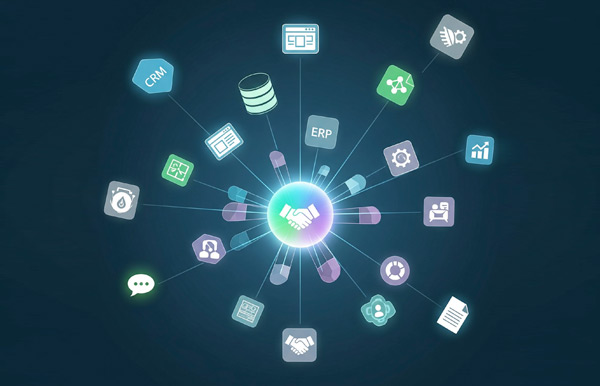
A managed digital experience platform is a fully managed system that combines your website, integrations, automation, hosting, and ongoing support into one connected solution.Instead of juggling multiple vendors and tools, everything lives in one place and works together.
Your website becomes more than a marketing tool. It becomes part of how your business operates.
With a modern platform, you get:
- A high-performing digital experience platform
- Built-in integrations with CRM, ERP, and scheduling tools
- Automation for lead capture and workflows
- Hosting, security, and performance handled for you
- Ongoing updates and improvements
How a Managed Digital Experience Platform Actually Works
Let's simplify this.Most SMBs operate with disconnected tools. A website here. A CRM there. Scheduling somewhere else. It works, but it creates friction.
A managed digital experience platform brings everything together.
One Connected System
Your content, customer data, and workflows are all tied together.
A visitor fills out a form. That data flows into your CRM. A follow-up gets triggered automatically. If they book a meeting, it's already synced.
No manual work. No dropped leads.
Automation That Saves Time
This is where the real value shows up.
Instead of handling tasks manually, the platform automates:
- Lead routing and notifications
- Appointment scheduling
- Order processing
- Customer communication
Fully Managed from Day One
You're not left figuring things out.
A managed website platform includes hosting, updates, security, and ongoing optimization. With Dreaming Code, that also means access to Radical Support so your site keeps improving over time.
Why SMB Websites Underperform and How This Fixes It
If your site isn't delivering results, it's usually not a content issue. It's a system issue.Here's what a managed digital experience platform solves.
Your Website Starts Driving Growth
Instead of just sitting there, your site:
- Captures leads
- Guides visitors toward action
- Connects directly to your systems
- Automates follow-ups
You Eliminate Manual Work
Many SMBs spend hours on repetitive tasks.
Entering data. Following up. Managing bookings.
A digital platform for SMBs removes much of that work so your team can focus on higher-value activities.
Your Systems Finally Talk to Each Other
Disconnected tools create delays and errors.
A digital experience platform for businesses connects everything so data flows naturally between systems.
That's where efficiency comes from.
You Simplify Your Vendor Stack
Instead of dealing with multiple vendors, you work with one partner.
One platform. One team. One place to go when something needs to change.
Real-World Examples
B2B Distributor with Manual OrdersA distributor was managing pricing and orders manually.
After moving to a managed digital experience platform:
- Customers log in to see custom pricing
- Orders sync directly with backend systems
- Sales reps use a digital portal
Medical Practice with Scheduling Challenges
A clinic relied on phone calls and paperwork.
After adopting a managed website platform:
- Patients book online
- Intake forms are digital
- Automated reminders reduce no-shows
Service Business Needing Better Leads
A local service company had traffic but low conversion.
After implementing a digital platform for SMBs:
- Leads are captured instantly
- Follow-ups are automated
- Performance is tracked clearly
Why Dreaming Code Is Built for This
Dreaming Code is designed for SMBs that need more than a basic website but don't want to manage a complex tech stack.- Fully managed platform from design to hosting
- Deep integrations with tools like Sage and Salesforce
- Built for digital experiences and commerce
- Continuous optimization and support
- A true partner approach
Final Thoughts
A managed digital experience platform is not just a better website. It's a better system for running your digital business.Less manual work. More automation. More clarity.
If your current setup feels stuck, this is usually the next step.
If you want to see how it works for your business, you can book a demo and explore it firsthand.

10/06/2023
In 2023, the landscape of Americans with Disabilities Act (ADA) compliance is evolving to meet the dynamic needs of digital accessibility for Americans. These guidelines are also a derivative of the Web Content Accessibility Guidelines (WCAG). They are part of a series of web accessibility guidelines published by the Web Accessibility Initiative of the World Wide Web Consortium (W3C), the leading international standards organization for the Internet. Understanding the key trends can ensure that businesses meet legal requirements and create an inclusive online environment for all users. These guidelines help drive traffic and improve the user experience for every digital website.
Trends for ADA Compliance in 2023
AI-Powered Accessibility Tools:
Today, accessibility tools are becoming more sophisticated by leveraging AI and machine learning. These technologies can automatically identify and fix common accessibility issues, making it easier for businesses to maintain compliance. More on that later.
Mobile Accessibility Focus:
With the increasing reliance on mobile devices, ADA compliance efforts are shifting towards ensuring mobile accessibility. It includes optimizing mobile apps and websites for screen readers, touch navigation, and voice control.
Fully Managed E-commerce Solution: A fully managed e-commerce solution typically offers more extensive customization options, often allowing businesses to build completely tailored online stores. These solutions are designed to accommodate complex business needs and unique design requirements.
Emphasis on Inclusive Design:
Inclusive design principles are gaining prominence. This approach involves designing products and services from the outset to be usable by as many people as possible, regardless of their abilities or disabilities.
Fully Managed E-commerce Solution: With a fully managed solution, you may have more control over the hosting environment, data, and codebase. This level of control can be advantageous for businesses that require specific technical configurations or have strict data security requirements.
Achieving ADA Compliance in 2023
Conducting Thorough Audits:
Shopify handles many aspects of maintenance, updates, security, and customer support. This can be convenient for businesses that want to focus on selling products rather than managing technical details.
Implementing Accessible Design Practices:
Integrate accessible design principles from the outset of any digital project. Prioritize features like alt text for images, keyboard navigation, and proper heading structures to ensure a seamless experience for all users.
Regular Testing and Monitoring:
Establish regular testing schedules and ongoing monitoring to address any accessibility issues promptly. This proactive approach helps maintain compliance throughout the year.
Evolving Legal Standards:
Stay updated with any changes in ADA compliance laws and regulations. Regularly review legal requirements to ensure ongoing compliance.
Content Updates and Changes:
Whenever content is added or modified, ensure that it maintains accessibility standards. It includes adding alt text for new images and verifying that interactive elements remain user-friendly.
User Feedback and Testing:
Actively seek feedback from users, including those with disabilities, to identify accessibility challenges. Incorporate this feedback into your ongoing compliance efforts.
Staying on top of ADA compliance trends in 2023 involves embracing new technologies, prioritizing inclusive design, and maintaining vigilance through regular audits and testing. Fortunately, DreamingCode Radical Support can offer this to websites as a subscriber to our platform. We handle all the regular updates and audits using our partner, Userway. By understanding the evolving landscape and addressing accessibility proactively, businesses can create a digital environment that is welcoming and accessible to all users.
Dreaming Code is a partner who can drive your digital success. We provide an industry-leading platform to enable agile and flexible digital experiences. We also offer monthly content services to help you succeed at moving the performance of your digital solution. Our solution consultants are eager to support you in planning, building, and scaling your digital transformation. Schedule to meet us today!
To learn more about the Dreaming Code eCommerce platform visit: https://dreamingcode.com.
Trends for ADA Compliance in 2023
AI-Powered Accessibility Tools:
Today, accessibility tools are becoming more sophisticated by leveraging AI and machine learning. These technologies can automatically identify and fix common accessibility issues, making it easier for businesses to maintain compliance. More on that later.
Mobile Accessibility Focus:
With the increasing reliance on mobile devices, ADA compliance efforts are shifting towards ensuring mobile accessibility. It includes optimizing mobile apps and websites for screen readers, touch navigation, and voice control.
Fully Managed E-commerce Solution: A fully managed e-commerce solution typically offers more extensive customization options, often allowing businesses to build completely tailored online stores. These solutions are designed to accommodate complex business needs and unique design requirements.
Emphasis on Inclusive Design:
Inclusive design principles are gaining prominence. This approach involves designing products and services from the outset to be usable by as many people as possible, regardless of their abilities or disabilities.
Fully Managed E-commerce Solution: With a fully managed solution, you may have more control over the hosting environment, data, and codebase. This level of control can be advantageous for businesses that require specific technical configurations or have strict data security requirements.
Achieving ADA Compliance in 2023
Conducting Thorough Audits:
Shopify handles many aspects of maintenance, updates, security, and customer support. This can be convenient for businesses that want to focus on selling products rather than managing technical details.
Implementing Accessible Design Practices:
Integrate accessible design principles from the outset of any digital project. Prioritize features like alt text for images, keyboard navigation, and proper heading structures to ensure a seamless experience for all users.
Regular Testing and Monitoring:
Establish regular testing schedules and ongoing monitoring to address any accessibility issues promptly. This proactive approach helps maintain compliance throughout the year.
Evolving Legal Standards:
Stay updated with any changes in ADA compliance laws and regulations. Regularly review legal requirements to ensure ongoing compliance.
Content Updates and Changes:
Whenever content is added or modified, ensure that it maintains accessibility standards. It includes adding alt text for new images and verifying that interactive elements remain user-friendly.
User Feedback and Testing:
Actively seek feedback from users, including those with disabilities, to identify accessibility challenges. Incorporate this feedback into your ongoing compliance efforts.
Staying on top of ADA compliance trends in 2023 involves embracing new technologies, prioritizing inclusive design, and maintaining vigilance through regular audits and testing. Fortunately, DreamingCode Radical Support can offer this to websites as a subscriber to our platform. We handle all the regular updates and audits using our partner, Userway. By understanding the evolving landscape and addressing accessibility proactively, businesses can create a digital environment that is welcoming and accessible to all users.
Dreaming Code is a partner who can drive your digital success. We provide an industry-leading platform to enable agile and flexible digital experiences. We also offer monthly content services to help you succeed at moving the performance of your digital solution. Our solution consultants are eager to support you in planning, building, and scaling your digital transformation. Schedule to meet us today!
To learn more about the Dreaming Code eCommerce platform visit: https://dreamingcode.com.

09/15/2023
Customer engagement has become an essential strategy to help maintain and grow your digital presence. Both loved and despised, the chatbot has become a viable solution to help companies automate customer engagement. These AI-powered virtual assistants have transformed the way businesses interact with their audience. Let's review the latest trends in using chatbots to engage customers on websites and the right situation when brands should consider implementing them.
The Latest Trends in Chatbot Integration
Personalized Customer Experiences: Modern chatbots have advanced algorithms to provide highly personalized interactions. They can analyze user behavior, preferences, and purchase history to offer tailored recommendations and assistance in an automated manner.
Multilingual Capabilities: With the global reach of e-commerce, multilingual chatbots have become essential. Brands can now engage with customers in their native language, breaking down language barriers and expanding their customer base.
AI-Powered Product Recommendations: Chatbots can now use machine learning algorithms to suggest products based on customer preferences. This level of personalization enhances the shopping experience, leading to increased conversions.
Seamless Integration with Other Systems: Chatbots can now integrate with various CRM and e-commerce platforms, enabling them to access and update customer information in real-time. This ensures a unified customer experience across all touchpoints.
Why Brands Need to Consider Chatbots?
24/7 Availability: Chatbots provide round-the-clock customer support, catering to global audiences and different time zones. This ensures customers can get assistance whenever needed, leading to higher satisfaction.
Efficient Handling of Frequently Asked Questions: Chatbots excel at handling routine inquiries, freeing up human agents to focus on more complex issues. This leads to faster response times and improved operational efficiency.
Enhanced Customer Engagement: Interactive chatbots can engage users in meaningful conversations, capturing leads and guiding them through the sales funnel. This proactive approach can significantly boost conversion rates.
Cost-Effectiveness: Once set up, chatbots can handle a large volume of inquiries simultaneously, reducing the need for a large customer support team. This translates to cost savings for e-commerce brands.
Deployment advice
Use a Chatbot When:
Routine Queries are Common: A chatbot can efficiently handle these inquiries if your business receives a high volume of frequently asked questions. 24/7 Availability is Necessary: If your target audience spans different time zones, a chatbot ensures continuous support and engagement. You Want to Enhance Customer Engagement: For interactive product recommendations, guided shopping experiences, and lead capture, a chatbot is invaluable.
Do Not Use a Chatbot When:
Complex Human Interaction is Required: If a situation demands emotional intelligence, empathy, or a high degree of customization, human agents are better equipped to handle it. Limited Resources for Implementation: If your business needs more resources or technical expertise to implement and maintain a chatbot effectively, it may not be the right time to deploy one.
Dreaming Code is a partner who can drive your digital success. We provide an industry-leading platform to enable agile and flexible digital experiences. We also offer monthly content services to help you succeed at moving the performance of your digital solution. Our solution consultants are eager to support you in planning, building, and scaling your digital transformation. Schedule to meet us today!
To learn more about the Dreaming Code eCommerce platform visit: https://dreamingcode.com.

06/08/2023
Sales & Marketing

eCommerce shipping solutions refer to the services, tools, and technologies that facilitate the shipping and delivery of products purchased through an online store. These solutions streamline the order fulfillment process, including managing shipping carriers, tracking shipments, generating shipping labels, calculating shipping costs, and providing customer support.
Here are some key reasons why eCommerce shipping solutions are essential for running your eCommerce business effectively:
- Efficient order fulfillment: E-commerce shipping solutions automate various aspects of order fulfillment, saving you time and effort. They integrate with your online store to automatically fetch orders, generate shipping labels, and update order statuses, ensuring a smooth and efficient fulfillment process.
- Multiple carrier options: These solutions offer access to multiple shipping carriers, such as USPS, UPS, FedEx, DHL, and more. By having various carrier options, you can compare rates, delivery times, and services to choose the most suitable shipping method for each order, considering cost, speed, and reliability.
- Cost optimization: E-commerce shipping solutions often provide tools to help you optimize shipping costs. They offer rate comparison features that allow you to select the most cost-effective shipping options based on the package's weight, dimensions, and destination. It helps you save money on shipping expenses and improves your overall profitability.
- Shipping label generation: With e-commerce shipping solutions, you can generate shipping labels quickly and accurately. It eliminates the need for manual label creation and minimizes the chances of errors, ensuring that packages are correctly labeled and tracked throughout the shipping process.
- Order tracking and visibility: Shipping solutions enable you and your customers to track packages in real-time. They provide tracking numbers and updates that can be shared with customers, allowing them to monitor the progress of their orders. It enhances transparency, reduces customer inquiries, and improves the shopping experience.
- Customer satisfaction: Fast and reliable shipping is crucial for customer satisfaction. E-commerce shipping solutions help you meet customer expectations by offering various shipping options, timely order fulfillment, accurate tracking, and on-time deliveries. Satisfied customers are likelier to repeat purchases and recommend your business to others.
- International shipping capabilities: E-commerce shipping solutions provide global shipping features if you sell products globally. They assist in generating customs documentation, calculating duties and taxes, and complying with international shipping regulations. It helps you expand your customer base and efficiently handle international orders.
Overall, e-commerce shipping solutions play a vital role in streamlining your order fulfillment process, reducing costs, improving customer satisfaction, and enhancing the overall efficiency of your e-commerce business. By leveraging these solutions, you can focus on growing your business while leaving shipping logistics in capable hands.
Dreaming Code has partnered with the following leading shipping solutions.
ShipStation is an order fulfillment service for eCommerce merchants. The software integrates with a wide range of eCommerce platforms, marketplaces, and shopping carts and allows you to import orders and quickly print shipping and packing labels. ShipStation integrates with over 200 shopping carts, marketplaces, carriers, ERP and inventory platforms, fulfillment services, and other eCommerce tools. Import more orders from more places with unlimited selling channels. Everything you need for order management is in one place.
EasyPost is a technology leader that builds shipping solutions for eCommerce brands, fulfillment providers, online marketplaces, and businesses of all sizes.
Shippo is a label creation platform that allows you to create and purchase shipping labels to print off and affix to your shipments. Shippo will save you up to 80% off your standard shipping rates at the post office. The Shippo API can be integrated into your systems or used through a web app, making it a fit for most organizations. Shippo Shipping API includes preloaded features like prefilled customs forms and extended labels. The software has also integrated with trusted courier partners like FedEx and DHL, known for their strong international networks.
Aftership is an ad-free package tracker app. It enables you to track orders placed with multiple eCommerce stores in one place, and various shipments can be tracked across 670+ couriers worldwide.
The USPS Web Tools API library gives eCommerce website shopping carts and shipping software access to valuable USPS data.
Dreaming Code is a partner who can lead your digital success. We provide an industry-leading platform to enable agile and flexible digital experiences. We also provide knowledge to help you succeed at driving the performance of your digital solution.
Dreaming Code has an experienced team of solution consultants and website designers who support our customers 24/7. Our customers also always have access to our team, and we are always here to provide guidance. If you fail, then we do not succeed. Please schedule an appointment if you want more information on how to support your eCommerce site best.
To learn more about the Dreaming Code eCommerce platform visit: https://dreamingcode.com.
20230523124143.jpeg)
05/23/2023
Sales & Marketing

All companies must have an engaging, appealing, and professional web presence. With many web hosting options available, it can be overwhelming to determine which is the best fit for your website. This blog will explore different hosting options, outline their pros and cons, and discuss how Dreaming Code's solution is optimized for cloud hosting.
Shared hosting is a popular and cost-effective option for small businesses and personal websites. In this scenario, multiple websites share the same server resources.
Pros:
- Affordable: Shared hosting is usually the most budget-friendly option available.
- Easy to use: Hosting providers handle server maintenance, updates, and security, making it user-friendly for beginners.
- Limited resources: Since resources are shared, high-traffic or resource-intensive neighboring websites can affect your website's performance.
- Lack of customization: Customization options may be limited due to server-wide configurations.
Virtual Private Server (VPS) hosting bridges the gap between shared hosting and dedicated servers. It involves partitioning a physical server into multiple virtual servers, and each VPS operates independently, providing better control and performance.
Pros:
- Greater control: With a VPS, you have more control over server configurations, allowing customization and scalability.
- Isolated resources: Since resources are allocated per virtual server, your website's performance is less affected by other users.
- Technical knowledge required: Managing a VPS requires more technical expertise than shared hosting.
- Costlier than shared hosting: VPS hosting is relatively more expensive, as you pay for the allocated resources.
Dedicated server hosting offers complete control over an entire physical server. This option is ideal for large businesses with high-traffic and resource-intensive websites. Consider the pros and cons below:
Pros:
- Maximum performance: With dedicated resources, your website can handle high traffic volumes and resource demands.
- Full customization: You have complete control over server configurations and software installations.
- Expensive: Dedicated servers are the most costly hosting option, suitable for businesses with substantial budgets.
- Managing and maintaining a dedicated server requires technical expertise or additional hiring.
Cloud hosting is gaining popularity due to its scalability and reliability. It utilizes multiple interconnected servers to host websites, distributing resources dynamically. Here are the pros and cons:
Pros:
- Scalability: Cloud hosting allows easy scaling of resources, ensuring your website can handle traffic spikes and growth.
- Reliability: With redundant servers, if one fails, your website remains operational on other servers.
- Cost structure: Depending on usage, costs can fluctuate, potentially making it more expensive in specific scenarios.
- Technical complexity: Setting up and managing a cloud hosting environment can be more complex than other options.
Dreaming Code's hosting solution focuses on maximizing the benefits of cloud hosting for brands. By leveraging the scalability and reliability of the cloud, they ensure websites remain accessible and performant, even during peak times. Their infrastructure is designed to handle traffic spikes with automated scaling mechanisms.
Dreaming Code's optimized cloud hosting offers:
- High-speed content delivery through content delivery networks (CDNs).
- Robust security measures to protect against cyber threats, including regular backups and disaster recovery options.
- Our Radical Support is 24/7 technical support to address any issues promptly.
Dreaming Code is a partner who can lead your digital success. We provide an industry-leading platform to enable agile and flexible digital experiences. We also provide knowledge to help you succeed at driving the performance of your digital solution. Our solution consultants are eager to support you to plan, build and scale your digital transformation.
Dreaming Code has an experienced team of solution consultants and website designers who support our customers 24/7. Our customers also always have access to our team, and we are always here to provide guidance. If you fail, then we do not succeed. Please schedule an appointment if you want more information on how to support your eCommerce site best.
To learn more about the Dreaming Code eCommerce platform visit: https://dreamingcode.com.

05/03/2023
Sales & Marketing

Creating and launching a website or eCommerce platform can be daunting, requiring a lot of time, effort, and technical expertise. While there are many options, from DIY to template platforms, a platform that can be flexible for your needs today and in the future is important. This is where Dreaming Code comes in - a robust platform that allows users to deploy a website or eCommerce platform with ease rapidly.
Dreaming code offers a wide range of features and functionalities that make it easy for users to design, build, and launch their online presence. Its intuitive user interface layouts, customizable templates, and extensive library of plugins and add-ons make creating a website that fits your unique needs and branding easy.
When there is a feature that we don't support, we leverage product integrations to help make marketing and promotion easy. Email marketing solutions allow users to create and send targeted email campaigns to their subscribers. In contrast, its paid ad solutions integration helps users optimize their ad campaigns and track their ROI. With its powerful features and seamless integrations, Dreamingcode makes it easy to launch a website or eCommerce platform and start reaching your audience today.
Marketing is crucial in driving traffic and demand to a website or eCommerce platform. In today's digital age, there are two main approaches to marketing: inbound and outbound. Both approaches have strengths and weaknesses, and companies must consider which direction best suits their needs.
Outbound marketing aims to reach a broad audience and generate leads. Outbound marketing can be effective, but it can also be expensive and annoying to potential customers. On the other hand, Inbound marketing focuses on attracting customers through content marketing, search engine optimization, and social media marketing. Inbound marketing aims to create valuable content that attracts potential customers and encourages them to engage with your brand. Inbound marketing can be more cost-effective than outbound marketing but requires a long-term commitment to creating quality content.
Inbound Marketing:
Inbound marketing is an effective way to drive traffic to a website and attract potential customers. It involves creating quality content that attracts visitors and encourages them to engage with your brand. One key component of inbound marketing is search engine optimization (SEO), which involves optimizing your website to rank higher in search engine results pages (SERPs).
There are two main types of search engine results: organic and paid. Organic search results are the listings that appear naturally based on the relevance and quality of the website's content. Click here to learn more about DreamingCode's content marketing as a service. Paid search results, on the other hand, are ads that appear at the top of the search engine results page and are paid for by businesses.
Paid advertising can be an effective way to drive traffic and sales to a website. One way to do this is through Google Shopping, which allows businesses to promote their products directly in Google search results. When a user searches for a product related to your business, Google Shopping ads can appear at the top of the search results page. These ads typically include an image of the product, a brief description, and a link to the product page on your website. Google Shopping can be a great way to drive targeted traffic to your website and increase sales.
Facebook Ads are another way to drive traffic and sales to a website through paid advertising. With over 2 billion active users, Facebook is one of the largest social media platforms in the world. Facebook Ads allow businesses to create targeted ads that appear in users' newsfeeds or on the right-hand side of the page. These ads can be targeted based on various factors, such as location, age, interests, and behaviors. Facebook Ads can effectively reach a highly targeted audience, increase site traffic, and drive sales.
Outbound Marketing:
Outbound marketing automation effectively reaches potential customers and generates demand for a website or eCommerce platform. It involves using software and tools to automate marketing tasks, such as sending emails, creating targeted ads, and tracking customer engagement. One popular form of outbound marketing is email marketing, which involves sending targeted emails to a list of subscribers. Email marketing can be highly effective for generating demand and increasing sales, but it requires a reliable and opt-in customer database. In other words, businesses must obtain consent from customers to receive marketing emails, and the data must be accurate and up-to-date.
There are many platforms available to help businesses automate their email marketing campaigns. Mailchimp and Sendy are two popular and simple product options that allow companies to create and send targeted email campaigns to their subscribers. These platforms also offer analytics and tracking features to measure the effectiveness of campaigns and adjust strategies as needed.
Hubspot is another popular outbound marketing automation platform offering various marketing and sales tools. Hubspot's marketing automation features include email marketing, lead generation, and social media marketing. Hubspot also offers CRM integration, which allows businesses to track customer engagement and behavior across multiple channels. If your customer management is straightforward, Hubspot has more features than a simple website needs.
Another critical component of outbound marketing is building an audience. In a future post, we will discuss audience-building solutions and techniques.
Conclusion
Inbound and outbound marketing automation can help businesses generate demand and increase sales for their website or e-commerce platform. Platforms like Mailchimp, Sendy, and Hubspot offer powerful tools for email marketing, lead generation, and social media marketing. Tools like Google Ads, Google Shopping, and Facebook Ads can give website brands paid exposure to reach new audiences.
To learn more about how outbound marketing automation can benefit your business, reach out to the DreamingCode solutions team, who can provide more insight on a product that can help your marketing efforts and act as experts to help you plug those products into your website.
Dreaming Code has an experienced team of solution consultants and website designers who support our customers 24/7. Our customers also always have access to our team, and we are always here to provide guidance. If you fail, then we do not succeed. Please schedule an appointment if you want more information on how to support your eCommerce site best.
To learn more about the Dreaming Code eCommerce platform visit: https://dreamingcode.com.

03/20/2023

In today's digital age, e-commerce has revolutionized the way people shop. From clothing to electronics to groceries, consumers can purchase virtually anything online. An important part of e-commerce is the payment options a brand offers to customers. Payment platforms are designed to be secure, convenient, and easy to use, and brands should make sure they offer a range of payment methods that suit their customers' needs.
When choosing a payment processor (PSP), it is essential to consider several factors:
- PCI compliant to ensure the security of brand and customer data.
- Use tokenization to protect sensitive payment information.
- Accept the payment methods that customers prefer.
- Understand the fees associated with the payment processor, including transaction fees, monthly fees, and additional fees for chargebacks, disputes, and international payments.
There are numerous vendors in the payment processing ecosystem. Brands must understand their buyer personas and match the proper payment solutions to their style and purchase traits. Here are some leading processors who can support many methods of payment.
PayPal
PayPal is a robust platform that makes it simple for businesses to accept credit and debit cards and offer PayPal payments and flexible buy now, pay later options such as Pay in 4 and PayPal Credit. PayPal also enables customers to purchase through social media platforms including Facebook, Pinterest, and Instagram.
Stripe
Stripe provides quick, secure, and convenient payment acceptance options while collaborating with Google Pay, Apple Pay, and Masterpass to give customers more payment choices. Stripe is PCI-compliant and accepts international transactions from customers worldwide, from Germany to Japan. Square is an all-in-one platform that allows businesses to sell online and in person with seamless two-way inventory sync. It also provides various tools to help companies to grow, including employee management, customer engagement, online invoicing, and time management.
BlueSnap
BlueSnap is a single, global platform that accepts payments from any location and device, with multi-currency support for over 100 currencies and 16 payout currencies in a single account. BlueSnap also offers world-class security, detailed analytics, and reporting and accepts major and regional credit cards like China Union Pay.
Amazon Pay
Amazon Pay streamlines checkout for millions of Amazon customers by allowing them to use payment and shipping information stored in their Amazon accounts. Amazon Pay merchants have reported increased conversion rates, reduced cart abandonment, and faster checkouts. Amazon Pay also includes fraud detection technology and offers Amazon's A-to-Z Guarantee on eligible orders. Plus, mobile checkout is a breeze.
Klarna
Klarna offers businesses no-liability financing options at checkout with built-in fraud protection. Klarna also provides buy now pay later solutions. Klarna checkout is available through many e-commerce platforms and can be integrated directly to a site. The service is integrated in such a way that Klarna can make automatic updates to provide security and simple maintenance.
Sezzle
Sezzle's mission is to empower the next generation financially, and it offers a convenient and easy-to-manage payment option for customers. Shoppers can split orders into four interest-free payments over six weeks in over 44,000 online stores without impacting their credit score and free payment rescheduling.
In summary, brands have many options for payment processing solutions that are feature-rich, secure, and built by solid vendors. By selecting a solution with their customer in mind, businesses can offer them a wide range of secure and convenient payment options that can help drive sales and increase customer satisfaction.
Dreaming Code helps support its customers with products, consulting, and strategies to enable your digital business to grow. We are committed to providing a robust platform and consulting support to help you realize your online goals. If you need support on payments, DreamingCode can help you find the right solution to enable the secure collection of payments from customers. If you want to learn more about payments and solutions to power your online store, please schedule an appointment today!
To learn more about the Dreaming code eCommerce platform visit: https://dreamingcode.com.
20230214144902.jpeg)
02/14/2023
Sales & Marketing

Having the ability to integrate your accounting system with your eCommerce platform is critical to successful and smooth operations. Sage is one of the most widely deployed ERP systems that have an installed base of over three (3) million customers. With Dreaming Code's Sage integration, eCommerce brands can process customer payments, create invoices, and manage orders without manually entering the data into their ERP system. This saves time and reduces errors allowing the two platforms to communicate seamlessly.
Integration into Sage Accounting can benefit brands in several ways:
- Automate Invoicing and Bill Payment: Automating invoicing and bill payment processes is an invaluable advantage of integrating Sage into an eCommerce system. Automating these processes allows businesses to reduce costs, save time, and improve accuracy. In addition, automating invoicing and bill payment processes also eliminates the need for manual data entry and other manual techniques.
- Streamline Financial Transactions: With an integrated Sage system, businesses can streamline their financial transactions. This eliminates the need to enter each transaction manually and reduces the chance of errors. Companies can also easily track their financial transactions, allowing them to gain better insights into their financial performance.
- Consolidate Data: Data consolidation is another crucial benefit of integrating Sage into an eCommerce system. Businesses can consolidate their financial data, eliminating the need to input it into multiple systems manually. This makes it easier to view and analyze financial data, which can be crucial for making informed decisions.
- Improve Efficiency: Integrating Sage into an eCommerce system can help businesses increase their efficiency. Automating processes and streamlining financial transactions can help companies to save time and reduce costs, allowing them to focus on other aspects of their business.
The challenge of integrating ERP systems is that it can be time-consuming and complex. Integration requires a good understanding of the two systems being connected and the data being exchanged. Dreaming Code supports this by bringing a wealth of knowledge and experience and employing a rapid approach through a certified adapter. With Dreaming code's integration support, the process can be smooth, and businesses need not invest significantly in the setup and implementation of the integration. Once the integration is complete, companies' systems are kept up to date and monitored for errors.
Overall, the business benefits of seamless integration to Sage make economic and operational sense. Having an integrated system will create a more streamlined and efficient accounting process. Additionally, it will reduce errors, save time, and ensure that data is accurate and updated. With the proper setup and implementation, companies can reduce the time and effort needed to manage their accounting processes and improve the accuracy of the data.
Dreaming Code offers full support for Sage Accounting Integration in our eCommerce as a service offering. The team of experienced DreamingCode solution consultants can provide support and our award-winning solution to ensure your integration is smooth. Contact us today to find out more! To learn more about how we can help your business, schedule an appointment with one of our solution experts today.
To learn more about the Dreaming Code eCommerce platform visit: http://dreamingcode.com.

02/07/2023

Google Shopping is an online marketing platform that allows eCommerce brands to promote their products and services to a wide range of customers. Through Google Shopping, brands can list their products and services, allowing customers to discover and purchase the items they need quickly. This makes it a powerful tool for eCommerce brands to increase sales and brand exposure.
Google Shopping exists to make it easier for shoppers to find the products they need. It is a platform where shoppers can search for products and compare prices from brands and retailers. Customers can get the best deal possible, making it easier for them to purchase what they need inside a single marketplace.
The platform can be a great way for eCommerce brands to promote and offer their products in a very easy way. This is also known as a Comparison Shopping Engine (CSE). Google Shopping results show up as thumbnail images that display each product's retailer and price. It allows them to get their products in front of more customers and increase their visibility in the marketplace. It can also help brands build trust with customers by showing them their product offerings and reviews.
For businesses looking to set up Google Shopping, there are several steps to follow:
- Create a Merchant Center account to manage your product listings and campaigns.
- Upload your product data. You must provide detailed product information, such as titles, descriptions, images, and prices.
- Set up your campaigns. You can use the Merchant Center to create campaigns and bid on keywords to ensure your products appear alongside relevant search results.
- Monitor and optimize. Monitor your campaigns to ensure they run effectively and make necessary adjustments.
Dreaming Code has helped several online businesses configure and efficiently manage this channel to generate sales, test new marketing approaches, and improve their reach within market segments. The DreamingCode eCommerce product integrates with Google Shopping.
Set an appointment with us today to learn more about this exciting marketing channel.
To learn more about how we can help your business, schedule an appointment with one of our solution experts today.

01/20/2023
Sales & Marketing

In today's fast-paced business environment, ensuring that customer platforms and systems always remain operational is crucial for success. Downtime can result in lost revenue, damage to a brand's reputation, and negatively impact customer satisfaction. To combat these issues, DreamingCode customers rely on Radical Support to ensure the continuous and reliable operation of their customer platforms and systems.
What is Radical Support?
DreamingCode Radical Support is a global, 24/7 support experience that is available every day of the year. This means that customers can access support at any time and location and receive the same level of service and expertise. This is achieved by having a team of experts who are available around the clock, and who have the knowledge and skills necessary to quickly and effectively resolve any issues that may arise.
Why is it important to me?
The key benefit of Radical Support is that it provides customers with a sense of security and reliability. They know that if an issue arises, they can access support quickly and have it resolved in a timely manner. This is particularly important for businesses that operate in a global environment, as it ensures that all customers, regardless of location, have access to the same level of service and support.
One of the key principles of Radical Support is the use of advanced technologies such as automation and AI to keep your platform current with the latest software. These technologies allow for faster and more efficient problem resolution and can help to reduce the need for human intervention. This helps to ensure that customer issues are resolved quickly and effectively, minimizing the impact of downtime on a business's operations.
In addition to providing around-the-clock support, Radical Support also includes continuous monitoring of customer platforms and systems. This allows for early detection and resolution of potential issues, helping to prevent downtime and ensure that customer systems are always operational.
Lastly, the Radical Support team is giving continuous training and certifications to ensure our team members are updated on the latest monitoring, threats, and technologies that could impact the smooth operation of your eCommerce solution.
DreamingCode Radical Support is essential for any business that operates in a global environment. It ensures that all our customer platforms and systems always remain operational, and updated and that customers have access to a continuous and reliable support experience. With the use of advanced technologies and continuous monitoring, a radical support model can help businesses to minimize downtime and improve customer satisfaction.
DreamingCode helps brands enable a feature-rich eCommerce for their customers using our industry-leading SaaS product. With minimal configuration and access to our solutions consulting team, we package processes, services, and results to enable brands to succeed all for a straightforward monthly fee. Feel free to contact us to set up a consultation with us today.
To learn more about how we can help your business, schedule an appointment with one of our solution experts today.
To learn more about the Dreaming code eCommerce platform visit: https://dreamingcode.com.

01/17/2023

The eCommerce industry continues to expand rapidly, with the global market reaching $5.7 trillion at the start of 2023, according to eMarketer. Exceptional customer service remains a priority; however, customer expectations are shifting. Not surprisingly, 69% of customers say they're willing to interact with a bot on simple issues, a 23% increase from 2021, according to Zendesk. Brands need more than human-assisted support like telephone and live chat. Below are four of the most contemporary strategies that eCommerce brands should consider for the latest customer self-service solutions:
AI Chatbots is becoming a "must-have" for digital customer support to providing customers with the ability to quickly get answers to their questions without needing a live agent. AI chatbots can answer customer inquiries like product information, order status, and shipping information. They can also provide complex customer support, like troubleshooting device issues, addressing customer complaints, or resolving problems that only humans could handle a few years ago. Today's chatbots are more intelligent and easier to implement with the need for technical staff.
Knowledge Bases and FAQs with searchable content are vital to any self-service solution. They provide customers with detailed information on various topics related to a brand's product or service. Many brands can mine their historical customer requests to help inform and extend FAQs in the knowledge base. The ideal way to deploy these knowledge bases and FAQs is on the website, through a dedicated support search, or via most AI chatbots.
My Account services provide a personalized self-service organized after a customer provides a secure account login. These My Account services offer customers a convenient way to manage their orders and customer service inquiries. This self-service allows customers to view order status, track packages, and read frequently asked questions. It also allows them to update their profile, contact information, and payment options. These solutions are valuable as they can know a customer's identity and provide contextual support based on their profile and past transactions with a brand.
Dark Social is the most intriguing and unknown channel where customers can get support and help. Customer support often lies within a highly used set of social apps where people share content one to one to provide feedback and ask questions about products and services. They are referred to as dark social as they are hard to track or attribute as a referral source to web traffic. These apps include:
- Open social platforms that are trackable sources (very public, but can produce dark social when someone interacts with a peer's shared content).
- Closed social platforms (dark social if copied and pasted – but trackable via share buttons).
- WhatsApp and Slack messaging
- Direct messaging (Facebook Messenger, LinkedIn DMs, Instagram DMs, etc.).
- SMS (text message) and Email
- Private social groups and communities
Customers can use these forums to share their experiences about a company with other customers. Dark social has become a powerful source of word-of-mouth advice that is often more trusted and followed as it's not curated or moderated by the brand. Expect dark social to be the fastest-growing content source brands need to monitor and understand.
In conclusion, a solid customer self-service strategy is a competitive advantage for eCommerce brands if done right. By understanding expectations and embracing new technologies, eCommerce brands can provide their customers with a better customer experience while also improving their bottom line. Implementing AI chatbots, knowledge bases and FAQs, personalized self-service, and knowing dark social are all excellent strategies that will become reliable ways that customers can get support.
Dreaming Code supports hundreds of brands through the complex and ever-changing world of customer self-service. We can offer strategy, services, and solutions to ensure your customers can get the help they need when it is required. Feel free to contact us to set up a consultation with us today.
To learn more about how we can help your business, schedule an appointment with one of our solution experts today.
To learn more about the Dreaming code eCommerce platform visit: https://dreamingcode.com.

12/16/2022

Introduction
Web accessibility is a critical technology solution in the digital world today. Web accessibility makes web content available to all users, including those with disabilities. Brands can achieve this compliance by following the Americans with Disabilities Act Standards for Accessible Design (ADA compliance). The goal is to ensure that people with disabilities can access all electronic information and technology.
Most web users expect that a website they visit will be ADA-compliant, ensuring they are not being excluded or discriminated against due to disability. It is vital for public sector bodies, commercial facilities, and any private entities that receive federal funds, as they must maintain digital accessibility to comply with the WCAG 2.0 requirements.
Web accessibility guarantees that people with disabilities have the same opportunities as everyone else to enjoy employment opportunities purchase goods and services. Web accessibility is a way to deliver a high standard of usability, level the playing field and ensure that no one is excluded from great web experiences.
Why is it important?
By creating a website that is accessible, users can benefit from features such as properly marked-up semantic structure, well-labeled links and images, and the ability to access the same content that all other users do. It helps make the website more discoverable by search engines, and more importantly, it ensures that people with disabilities can access all of the available content. The solution improves the brand's business by allowing them to comply with federal and state laws and provide equal access to all users.
How can we become compliant?
The solution to improving website accessibility can be complex as there are many things to consider. Brands can use accessibility checker software on a website to get a detailed audit report that can be actioned. High-level items that the software evaluates include:
- Ensure that the formatting of labels, images, and navigational elements adhere to heading hierarchies and have alternative descriptive texts.
- Poor contrast text is another challenge brands can avoid using a color contrast checker when designing the website.
- Keyboard accessibility and navigability are also essential, as visually impaired users or users with mobility disabilities may find it challenging to use a mouse or trackpad to navigate the website.
- Brands should also consider mobile-first design, as businesses must ensure websites are optimized to accommodate accessibility requirements.
Next Steps
Web accessibility and ADA compliance are essential steps for any eCommerce brand. It is important to understand the steps needed to make your website ADA-compliant to maintain a successful online presence.
Dreaming Code provides the tools and services to ensure that eCommerce brands are ADA-compliant. The Dreaming Code product and user interfaces are designed with ADA compliance in mind, and our team of experts can provide a comprehensive website audit to detect any issues that may be present. This audit will provide an accessibility score and outline any issues that need to be fixed. Brands can start to fix the problems or advise their partners of the updates required.
Our team of experts understands the importance of ADA compliance and can help you with any questions. If you are an eCommerce brand and have questions about ADA compliance and how it could impact you, feel free to contact us to set up a consultation with us today.
To learn more about how we can help your business, schedule an appointment with one of our solution experts today.
To learn more about the Dreaming code eCommerce platform visit: https://dreamingcode.com.