 Customer Support


Posts by Category

01/24/2023

Introduction
As we look ahead to 2023, the economy is uncertain and B2C and B2B eCommerce landscapes are evolving rapidly. Uncertainty can bring about change and innovation, leading to new and exciting possibilities for businesses. This type of economy allows for flexibility and adaptation as companies are finding new ways to navigate and succeed in a shifting landscape. While there may be a few new, groundbreaking ideas emerging, there is a lot of momentum behind the trends that have been gaining traction over the past couple of years.
One of the most notable trends is the growing importance of brand loyalty, as customers become more discerning and demand a higher level of service and engagement from the brands. With the current uncertainty, brands need sustainable and less costly revenue growth strategies.
Rules about customer data in 2023 will become increasingly under scrutiny, and brands of all sizes need to be more deliberate about collecting, protecting, and understanding their own first-party customer data. This data, when analyzed and understood, will be a strategic asset for brands to get better insights about their customers.
Social commerce also continues to outperform other demand-generation strategies, with businesses leveraging platforms like Instagram, TikTok, and Facebook to drive sales and engage customers. Any brand today can harness social commerce to access new markets and audiences with very little investment. More about that later.
These trends indicate that businesses continuously embrace new ideas to remain competitive. Brands should key in on a few ideas that they believe will be low lift but high value. In this first of two-part series, we will dive deeper into these ideas and explain how they can create impact and value for your brand in 2023.
Brand loyalty is often overlooked
The competitive landscape in most markets is fierce as brands use technology to help them scale faster. Shopify's research shows that while only 28% of consumers tend to make repeat purchases from the same online store, these loyal customers make up a significant portion of a brand's revenue, accounting for 44% on average. There are several vital points for businesses looking to maximize customer loyalty.
Brand leaders need to take the time to look at their customers' purchase history. It's essential to understand and calculate typical customer lifetime value (CLV) and look for common characteristics among those customers who are loyal to your brand. CLV will inform the type of customers a brand should target and how to tailor marketing campaigns to access them.
Many people talk about loyalty, but few brands use offers and rewards to incentivize customers to make repeat purchases. You can encourage customers to come back and make purchases with the right offers and rewards. Rewards will help drive loyalty revenue, increase customer retention and incentivize customers to become sources of recommendation and referral.
After brands understand their customers, they need to use technology to help engage with customers on an individual basis. You can reach customers based on their past purchasing habits through automated messages and tailored campaigns with personalized recommendations. These recommendations will give customers the feeling that they are being treated as individuals and increase their chances of making repeat purchases.
By focusing on the above points, businesses can realize an increase in sales and a stronger relationship with their customers. The value of this type of loyalty should be considered, as it provides an excellent source of repeat and referral revenue. With the right approach, businesses can capitalize on this trend and build an even more successful eCommerce brand.
Using new data rules to thrive
The importance of first-party data in the world of eCommerce is becoming increasingly apparent as businesses realize the value of this type of data and the insights it can provide. According to a study by Accenture and Adobe, seventy-seven percent (77%) of CEOs know that they must fundamentally change how they interact and engage with customers.
First-party data is considered more reliable and accurate than third-party data, making it an invaluable asset in helping businesses make informed decisions about their eCommerce strategy. Third-party data can still be relevant and useful in certain situations, but its use has recently been scrutinized due to data privacy and accuracy concerns. Third-party data is typically collected by companies other than the business using it and can be less reliable and accurate than first-party data. Additionally, with the General Data Protection Regulation (GDPR) and the California Consumer Privacy Act (CCPA) coming into effect, stricter laws and regulations on collecting and using third-party data make this data harder to use.
For businesses looking to capitalize on the trend of first-party data, there are several vital points to consider. Start by setting up systems to collect customer data and obtain customer consent. Store and organize the data securely, and use tools to analyze it. Businesses can decide about their website, marketing campaigns, or product offerings with the insights gained. It is also essential to continuously monitor and maintain the data collection and storage systems, update data analysis tools and methods, and comply with data privacy regulations.
By focusing on these key points and using first-party data to improve the customer experience, businesses should realize an increase in sales, build stronger relationships with their customers, and more effectively target and personalize their marketing campaigns.
Access to billions through social
Social commerce has become increasingly crucial for brands in recent years, and its growth is only set to accelerate. Platforms like TikTok, Facebook, Instagram, and Linkedin are new revenue tools that brands can leverage their large user bases to access new customers. According to recent research, the social commerce market is expected to hit $1.3 trillion in 2023, exceeding the $1 trillion mark for the first time. This is a 30.8% increase from the previous year when social commerce sales amounted to $958 billion.
For brands looking to capitalize on this trend, there are some tips:
- Platform selection is a crucial first step. Brands must consider where their target audience is most active and choose platforms that align with their business goals. The data about the audience is readily available from platforms and easy to access to test and gather data.
- Developing a solid content strategy is also essential, as businesses must create visual, informational, and interactive content that resonates with their audience and drives conversions. B2C brands need to align with influencers who can help attract new users. B2B customers need to use platforms to educate customers on their products and services and turn them into leads.
- Businesses need to ensure that their social commerce operations comply with data privacy regulations and ensure that the payment and checkout process is secure for customers. Integrating social commerce with customer relationship management (CRM) and e-commerce systems can also help to track customer interactions and orders across all channels. By allowing customers to purchase products directly through social media platforms, social commerce can help increase sales and revenue for a brand.
Social commerce can increase the average order value by providing a seamless and convenient shopping experience. In addition, social media platforms allow brands to cost-effectively promote their products and services to their user bases at less cost than traditional advertising. To maximize the value of social commerce, brands need to focus on providing personalized experiences for their customers. By using data to personalize customer interactions, brands can increase conversion rates and ensure that they provide the best possible experience to their customers. Customer service is also a key benefit of social commerce, so responding to customer inquiries and handling complaints quickly and professionally is essential. By understanding and capitalizing on the trend of social commerce, businesses can increase sales and revenue and build stronger relationships with their customers. With the right approach, companies can maximize the value of social commerce and create an even more successful eCommerce brand.
Conclusion
2023 is kicking off with its share of uncertainty. Brand loyalty, first-party data, and social commerce are individual trends that can help eCommerce brands succeed with certainty. When all these platforms and trends are used together, eCommerce brands can interact with greater clarity and develop focused strategies to leverage that data to grow existing and new revenue streams.
Dreaming Code helps brands enable a feature-rich eCommerce for their customers using our industry-leading SaaS product. With minimal configuration and access to our solutions consulting team, we package processes, services, and results to enable brands to succeed all for a straightforward monthly fee. Feel free to contact us to set up a consultation with us today.
To learn more about how we can help your business, schedule an appointment with one of our solution experts today.
To learn more about the Dreaming code eCommerce platform visit: https://dreamingcode.com.

01/20/2023
Sales & Marketing

In today's fast-paced business environment, ensuring that customer platforms and systems always remain operational is crucial for success. Downtime can result in lost revenue, damage to a brand's reputation, and negatively impact customer satisfaction. To combat these issues, DreamingCode customers rely on Radical Support to ensure the continuous and reliable operation of their customer platforms and systems.
What is Radical Support?
DreamingCode Radical Support is a global, 24/7 support experience that is available every day of the year. This means that customers can access support at any time and location and receive the same level of service and expertise. This is achieved by having a team of experts who are available around the clock, and who have the knowledge and skills necessary to quickly and effectively resolve any issues that may arise.
Why is it important to me?
The key benefit of Radical Support is that it provides customers with a sense of security and reliability. They know that if an issue arises, they can access support quickly and have it resolved in a timely manner. This is particularly important for businesses that operate in a global environment, as it ensures that all customers, regardless of location, have access to the same level of service and support.
One of the key principles of Radical Support is the use of advanced technologies such as automation and AI to keep your platform current with the latest software. These technologies allow for faster and more efficient problem resolution and can help to reduce the need for human intervention. This helps to ensure that customer issues are resolved quickly and effectively, minimizing the impact of downtime on a business's operations.
In addition to providing around-the-clock support, Radical Support also includes continuous monitoring of customer platforms and systems. This allows for early detection and resolution of potential issues, helping to prevent downtime and ensure that customer systems are always operational.
Lastly, the Radical Support team is giving continuous training and certifications to ensure our team members are updated on the latest monitoring, threats, and technologies that could impact the smooth operation of your eCommerce solution.
DreamingCode Radical Support is essential for any business that operates in a global environment. It ensures that all our customer platforms and systems always remain operational, and updated and that customers have access to a continuous and reliable support experience. With the use of advanced technologies and continuous monitoring, a radical support model can help businesses to minimize downtime and improve customer satisfaction.
DreamingCode helps brands enable a feature-rich eCommerce for their customers using our industry-leading SaaS product. With minimal configuration and access to our solutions consulting team, we package processes, services, and results to enable brands to succeed all for a straightforward monthly fee. Feel free to contact us to set up a consultation with us today.
To learn more about how we can help your business, schedule an appointment with one of our solution experts today.
To learn more about the Dreaming code eCommerce platform visit: https://dreamingcode.com.

01/17/2023

The eCommerce industry continues to expand rapidly, with the global market reaching $5.7 trillion at the start of 2023, according to eMarketer. Exceptional customer service remains a priority; however, customer expectations are shifting. Not surprisingly, 69% of customers say they're willing to interact with a bot on simple issues, a 23% increase from 2021, according to Zendesk. Brands need more than human-assisted support like telephone and live chat. Below are four of the most contemporary strategies that eCommerce brands should consider for the latest customer self-service solutions:
AI Chatbots is becoming a "must-have" for digital customer support to providing customers with the ability to quickly get answers to their questions without needing a live agent. AI chatbots can answer customer inquiries like product information, order status, and shipping information. They can also provide complex customer support, like troubleshooting device issues, addressing customer complaints, or resolving problems that only humans could handle a few years ago. Today's chatbots are more intelligent and easier to implement with the need for technical staff.
Knowledge Bases and FAQs with searchable content are vital to any self-service solution. They provide customers with detailed information on various topics related to a brand's product or service. Many brands can mine their historical customer requests to help inform and extend FAQs in the knowledge base. The ideal way to deploy these knowledge bases and FAQs is on the website, through a dedicated support search, or via most AI chatbots.
My Account services provide a personalized self-service organized after a customer provides a secure account login. These My Account services offer customers a convenient way to manage their orders and customer service inquiries. This self-service allows customers to view order status, track packages, and read frequently asked questions. It also allows them to update their profile, contact information, and payment options. These solutions are valuable as they can know a customer's identity and provide contextual support based on their profile and past transactions with a brand.
Dark Social is the most intriguing and unknown channel where customers can get support and help. Customer support often lies within a highly used set of social apps where people share content one to one to provide feedback and ask questions about products and services. They are referred to as dark social as they are hard to track or attribute as a referral source to web traffic. These apps include:
- Open social platforms that are trackable sources (very public, but can produce dark social when someone interacts with a peer's shared content).
- Closed social platforms (dark social if copied and pasted – but trackable via share buttons).
- WhatsApp and Slack messaging
- Direct messaging (Facebook Messenger, LinkedIn DMs, Instagram DMs, etc.).
- SMS (text message) and Email
- Private social groups and communities
Customers can use these forums to share their experiences about a company with other customers. Dark social has become a powerful source of word-of-mouth advice that is often more trusted and followed as it's not curated or moderated by the brand. Expect dark social to be the fastest-growing content source brands need to monitor and understand.
In conclusion, a solid customer self-service strategy is a competitive advantage for eCommerce brands if done right. By understanding expectations and embracing new technologies, eCommerce brands can provide their customers with a better customer experience while also improving their bottom line. Implementing AI chatbots, knowledge bases and FAQs, personalized self-service, and knowing dark social are all excellent strategies that will become reliable ways that customers can get support.
Dreaming Code supports hundreds of brands through the complex and ever-changing world of customer self-service. We can offer strategy, services, and solutions to ensure your customers can get the help they need when it is required. Feel free to contact us to set up a consultation with us today.
To learn more about how we can help your business, schedule an appointment with one of our solution experts today.
To learn more about the Dreaming code eCommerce platform visit: https://dreamingcode.com.

01/13/2023

We are now in a new digital growth phase for many brands who scale their business using content. More and more, today's business-to-business (B2B) buyers what to do their research and education on products and services for themselves. They want to access meaningful ungated content to learn and explore information about solutions they can easily access on a brand's website. Once they have determined the right solution, they expect to engage with subject matter experts who can help them solve their challenges.
Content marketing is one of the most powerful tools available to businesses today, and it's an essential element of any successful digital growth strategy. It's creating and distributing valuable, relevant, and consistent content to attract and retain a clearly defined audience — and, ultimately, to drive profitable customer actions like leads and revenue.
Content marketing helps businesses to scale the education of potential customers, build trust, and drive lead generation. It also serves as an effective way to improve search rank and online reputation. But creating content that resonates with your audience and drives the desired action can be challenging. To help, here are some content marketing basics and tips to get you started:
Develop a Content Strategy: Creating content without a plan is like shooting in the dark. Developing a content strategy is key to ensuring your content is effective and has the desired impact. A good strategy is built around critical questions your audience is looking to have answered about your solution. A content strategy should include objectives, audience personas, topics, and a content calendar.
Research Your Audience: Knowing your audience is vital to creating resonating content. Research your target audience to understand their needs, interests, and behaviors. Use this research to identify topics and create content relevant to their interests.
Optimize Your Content for Search: When creating content, optimize it for search engines. Use keywords and phrases in your content that target your audience and are likely to appear in search results. It's also essential to think about words that your audience identifies with your solution.
Create Compelling Content: Focus on creating informative, helpful, and engaging content. Content should be well-written, well-structured, and visually appealing. Leveraging your team as subject matter experts (SMEs) is essential to help give the best context for great content. Use images, videos, and interactive elements to break up text and keep readers engaged.
Promote Your Content: Creating content is only half the battle. The other half is letting your target audience know about it. Promote your content across multiple channels, including social media, email, and guest blogging.
Analyze and Adjust: Evaluate the success of your content and make adjustments to ensure it is as effective as possible. Monitor metrics such as website traffic, conversions, engagement, and leads to understand which content resonates most with your audience.
Content marketing can be a powerful tool for businesses, but it's essential to understand the basics and do it right. With the right approach, content marketing can help you achieve your marketing goals and reach new customers.
DreamingCode offers content marketing to help users of its industry-leading Commerce as a service and DXP platforms to drive demand and grow revenue. DreamingCode Content Marketing establishes a solid strategy, content creation, and performance management without hiring new marketing staff. We can package processes, services, and results to enable brands to start and grow their content marketing, all for a straightforward monthly fee. Feel free to contact us to set up a consultation with us today.
To learn more about how we can help your business, schedule an appointment with one of our solution experts today.

01/10/2023

Search engine optimization (SEO) is a must for any business today. In the online world, 68% of online experiences begin with a search engine according to BrightEdge however, 90.63% of pages get no organic search traffic from Google according to Ahrefs. With the increasing competition for markets and search priority, businesses must ensure their websites are optimized for higher rankings in search engine results. SEO optimization can help businesses stand out from the crowd, drive more traffic to their websites and do so without the need for paid search.
SEO optimization involves tuning a website's technical configuration, content relevance, and link popularity. There are a number of types of SEO that a marketer must understand.
- Technical SEO involves improving the website's structure and code to make it more search-engine friendly. This includes improving page speed, structure, and code.
- Content SEO focuses on improving the quality of the content on the website. This includes ensuring that the content is relevant and engaging to users.
- Link SEO focuses on improving the website's link popularity by ensuring that it is linked to quality websites.
When done correctly, SEO optimization can help businesses rank higher in search engine results. This will help draw more traffic to the website, leading to higher sales and more leads. However, businesses should ensure that their SEO strategy is in line with the latest trends in their industry. Some of the trends for 2023 include:
One of the biggest trends is the use of natural language search. Businesses need to ensure that their websites are optimized for natural language search as search engines like Google and site search is made much easier when users can speak or type into a device using their everyday language rather than keywords. This means that businesses should ensure their content is written in natural language and optimized for featured snippets.
Another trend is mobile optimization as according to Exploding Topics, 59.6% of website traffic comes from mobile devices. Businesses should ensure that their websites are optimized for mobile devices and are easy to navigate.
Finally, businesses should also ensure that their websites are secure. Websites should be HTTPS-secured and have a valid SSL certificate to ensure that user data is secure. This will help businesses build user trust and improve their search engine rankings.
SEO optimization is an essential part of any business's digital marketing strategy, and the automotive industry is no different. Businesses need to ensure that their websites are optimized for higher rankings in search engine results and are in line with the latest industry trends. This will help businesses draw more traffic to their websites, leading to higher sales and more leads.
Dreaming Code helps brands excel at their SEO strategy, with many of the key principles for good SEO embodied in our SaaS product. With minimal configuration and some help with keywords, we package processes, services, and results to enable brands to rank high and quickly, all for a straightforward monthly fee. Feel free to contact us to set up a consultation with us today.
To learn more about how we can help your business, schedule an appointment with one of our solution experts today.
To learn more about the Dreaming code eCommerce platform visit: https://dreamingcode.com.
20230106181205.jpeg)
01/06/2023

Customer relationship management (CRM) is an important technology for businesses of any size to manage customer relationships. It helps improve customer relationships and retention while providing insight into customer data and analytics. It also helps to streamline processes and automate tasks so that customer interactions can be more productive and efficient. Many stakeholders use CRM - salespeople, marketers, managers, and executives - to help plan and execute customer interactions across the entire customer lifecycle.
Businesses should understand the key objectives of their CRM implementation and select the right solution for their needs. Taking a "one size fits all" approach to choosing a CRM can result in less-than-ideal outcomes. With the right CRM, businesses can strengthen customer relationships, improve customer service, and increase sales.
CRM as a system of record
A CRM is a powerful record system that allows companies to manage the information that flows from pre-purchase to post-purchase effectively. With a CRM, businesses can track transactions, communication, and other vital details on the sales to customers. CRM also helps to create a consistent and organized record of a prospect or customer. The main benefit is accessiblity for all staff who need to interact with the customers.
The system is also valuable for reporting so that managers and accounting teams can access all data that is related to sales. CRM helps track critical metrics like average order value (AOV), annual recurring revenue (ACV), and total contract value (TCV). A CRM allows users to monitor customer activity and organize customer data in a way that is beneficial to their business. The impact on the user is enabling them to manage and organize customer data efficiently and effectively, giving them a competitive edge.
CRM to drive sales A sales-focused CRM is a powerful tool to help companies organize their sales pipelines. It enables sales teams to be more efficient and productive by providing features such as quote builders, task management, document support, scheduling, and other automation.
CRM offers pre-built and custom reports on demand, allowing salespeople and managers to track and report performance. This makes it easier to identify trends and patterns that can help improve sales and customer experience. By utilizing a sales-focused CRM, companies can streamline their processes and make more informed decisions, resulting in more efficient sales operations and higher customer satisfaction.
CRM to power demand generation Marketing-focused CRM offers a variety of features to help marketing teams identify prospects, automate outbound demand generation activities and support inbound marketing efforts. These systems have campaign tools with integration to lead data, automated email sequences, and nurturing solutions for buyers.
CRM is great at managing web landing pages, visitors' interactions with web pages, lead capture, and tracking performance for campaigns. It helps with compliance for privacy, including GDPR.
Content marketing is a hot trend in demand generation today. CRM can build and deploy content marketing, track click rates of content in email sequences, and provide deep insight into how demand generation activities perform. This allows marketing teams to understand their audience better, engage users with relevant content, and track the performance of campaigns.
With CRM, marketing has a technology enabler to scale marketing processes. Today it also helps make more informed decisions, ultimately leading to effective demand generation and higher ROI on marketing efforts.
Conclusion
CRM has been a powerful tool for many brands, enabling them easily support their customers and maximize their growth potential. With DreamingCode, you can ensure that your digital presence and CRM are integrated to suit your brand's strategy.
We are ready to assist with any questions or concerns, so don't hesitate to contact us and set up a consultation. With our help, you can make the most of your CRM and maximize your brand's potential.
To learn more about how we can help your business, schedule an appointment with one of our solution experts today.
To learn more about the Dreaming code eCommerce platform visit: https://dreamingcode.com.

12/27/2022
Sales & Marketing

Buy Now Pay Later (BNPL) has become the go-to payment option for consumers looking for a convenient, interest-free way to purchase products. BNPL is a loan offered to customers at the point of sale (in-store and online) to purchase merchandise without a credit card. Popular BNPL options include Shop Pay Installments from Shopify, Affirm, Afterpay, Sezzle, PayPal, and Klarna.
This payment option has become increasingly popular across generations, as nearly 60% of consumers prefer it over credit cards due to the ease of set payments, the simple approval process, and the lack of interest charges, according to a PYMNTS survey. Consumers primarily use BNPL, but these options are now emerging on B2B marketplaces as well.
Typically, the online merchant must pay a fee to the payment partner to assume the transaction's risk. This fee is usually a small percentage of the total purchase, allowing the buyer to purchase the product without interest or late fees. In return, the payment partner can offer the buyer a more flexible repayment plan. BNPL is an attractive option for buyers looking for a convenient and cost-effective way to purchase products.
Win-win for consumers and merchants alike BNPL is a revolutionary new payment method that provides customers and merchants with several benefits. Customers benefit from the convenience of paying for their purchases in installments, while merchants benefit from increased sales and conversion rates. This payment method helps simplify shoppers' purchase decisions and reduces cart abandonment rates, resulting in higher conversion rates for merchants.
The BNPL payment method has been a great success and has been credited for increasing revenue and the number of orders on Black Friday 2022 by 72% and 68%, respectively according to RetailDive. Furthermore, it has been reported that the number of items per order increased by 10% year-over-year from November 25 to 27. This payment method has created significant value for customers and merchants, making it an excellent choice for online shoppers and merchants.
The Hidden Risks of BNPL Solutions
BNPL payment solutions are becoming increasingly popular but come with hidden risks. Consumers may find themselves with unsustainable debt and damage to their credit scores so they need to manage their BNPL loans properly. Merchants and payment solution providers should also be aware of the risks associated with BNPL solutions, as they can lead to losses if not monitored. As this payment method continues to grow in usage, there needs to be more information about how often people use it and how it impacts consumer credit.
Unsustainable debt is one of the most significant risks associated with BNPL loans. The ease of taking out a BNPL loan may lead consumers to take out too many loans at once and accrue more debt than they can repay. Taking out BNPL loans regularly for an extended period could also cause financial stress.
Credit score damage is another risk associated with BNPL solutions. Credit bureaus like Equifax are beginning to incorporate BNPL data into credit reports. That could be a good thing for many (a track record of on-time payments will boost your credit score), but it also means a late BNPL payment could hurt your score and make it more difficult and more expensive to borrow down the line. Lack of consumer protection is also a risk associated with BNPL solutions.
BNPL loans are a very recent innovation. Regulations surrounding these products aren't as robust, and consumers have fewer protections when something goes wrong. It can be more challenging to settle disputes or return products purchased with a BNPL loan than those purchased with a credit card.
The best way to manage these risks is for consumers to use BNPL loans when necessary and to pay them off as soon as possible. Merchants and payment solution providers should also be aware of the potential for losses and monitor their BNPL solutions to ensure they are being used responsibly.
Unlock Your Ecommerce Growth BNPL is a powerful tool for eCommerce merchants to unlock growth. BNPL allows for more sales and a larger basket size when customers can spread out the payments over time.
To make a BNPL solution successful, merchants must implement the correct solution, inform consumers early in their purchase journey, offer an omnichannel experience, evaluate approval rates, and go after abandoned carts. DreamingCode has experience implementing BNPL and can help guide merchants through the selection of the right partner, implementation, and ongoing management of the solution with Radical Support.
A successful BNPL solution can help merchants increase their conversion rates, grow their customer base, and ultimately increase their revenue. BNPL also helps brands build trust and credibility with their customers and create loyal customers who are more likely to continue shopping with their favorite brands.
If you are an eCommerce brand and have questions about Buy Now Pay Later and how it could impact you, feel free to contact us to set up a consultation with us today. Unlock your eCommerce growth and learn how to launch BNPL with DreamingCode.
To learn more about how we can help your business, schedule an appointment with one of our solution experts today.
To learn more about the Dreaming code eCommerce platform visit: https://dreamingcode.com.

12/23/2022
Sales & Marketing
Introduction
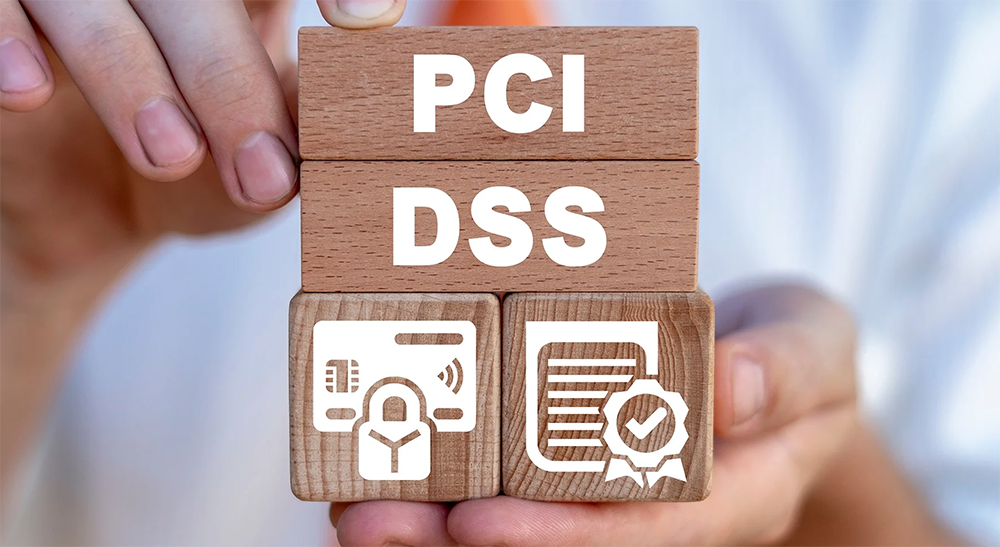
The Payment Card Industry Data Security Standard (PCI DSS) is a set of security standards designed to protect companies that process, store or transmit credit card information. PCI compliance helps to protect companies from data breaches, fraud, and other security threats.
E-commerce merchants are the primary users of PCI compliance, but any company that processes credit card data needs to be PCI compliant. By implementing the PCI DSS, companies can improve their security posture and reduce the risk of a data breach. PCI compliance is a requirement for all companies that accept credit cards and is enforced by major credit card companies. Failure to comply with the PCI DSS can result in fines, increased transaction fees, and the loss of the ability to accept credit cards.
PCI compliance is substantial because it protects your company's reputational risk and improves your company's vision and value. Plus, it can prevent and detect violations of rules.
Benefits
PCI compliance allows merchants to transact with customer credit cards securely. It gives consumers the peace that merchants protect them adequately from data and security breaches.
Some benefits of PCI compliance include:
- It decreases the risk of security breaches as businesses are no longer just physical places but virtual ones that can be accessed and breached anywhere at any time from multiple devices.
- Consumers can transact with confidence. They may not understand every detail about what it means to be compliant, but with many public breaches in the news, awareness about the issue is growing.
- Merchants can have peace of mind that they have some level of protection from the growing threat of data breaches.
Challenges
If you are starting an eCommerce business or are already running one, you need to be aware of PCI DSS. There are three challenges to consider:
- Data breaches can be very costly. There's the cost of replacing credit cards, paying fines, and compensating for what the customers have lost, not to mention investigation costs and audits on the business side. The costs for a minor data breach can range from $60,000 to over $250,000.
- PCI compliance is very technical, so when selecting a PCI DSS security consulting firm to validate your company's compliance, opt for one that has security system integration services.
- All requirements in the standards are mandatory, meaning it is necessary to maintain compliance during the 12 months of the certification, otherwise is the risk of fines and even disqualification for the receipt of payment cards in the case of an audit.
The best way to overcome these challenges is to work with a certified PCI partner, like DreamingCode, who understands the nuances of compliance and can help you maintain compliance throughout the year.
How to make it work?
PCI compliance is a requirement to run an eCommerce business today. The benefits are substantial, but the challenges can make it seem daunting.
PCI compliance is not a one-time event but a continuous commitment to assessment and remediation. If you have questions about PCI compliance and how it could impact your business, don't hesitate to contact us to set up a consultation today.
To learn more about how we can help your business, schedule an appointment with one of our solution experts today.
To learn more about the Dreaming code eCommerce platform visit: https://dreamingcode.com.

12/20/2022

Introduction
The internet has become a primary source of information gathering and commerce for consumers, with eCommerce brands playing a significant role in our digital lives. However, with the rise of digital technology comes an increase in the potential for the abuse of consumer data. The regulations and laws are changing rapidly. As an eCommerce brand, it's essential to understand consumer privacy's importance and how to protect customer data adequately.
Consumers have the right to expect their personal information to be handled responsibly and securely. This personal information can include but is not limited to names, emails, Social Security numbers, credit card, or other account data. This means that businesses must be aware of the laws, regulations, and best practices related to consumer privacy. Companies must demonstrate compliance and establish a culture of respect and trust with their customers by providing transparency and access to information on privacy settings and opt-outs.
Here are six steps to ensure that your eCommerce brand is making steps in the right direction with respect to consumer privacy.
Understand the Relevant Laws and Regulations: The most important thing for businesses to know is the laws and regulations governing consumer data collection and use. This includes the General Data Protection Regulation (GDPR) in the EU, the California Consumer Privacy Act (CCPA), and the Personal Information Protection and Electronic Documents Act (PIPEDA) in Canada. Knowing these laws and understanding the requirements of each will help you create a compliant privacy policy and ensure that your business respects consumer privacy.
Create a Privacy Policy: Your privacy policy should clearly explain how you collect, store, and use customer data. It should also include details on how customers can access, update, or delete their data and what security measures are in place. Keep this policy up-to-date with any changes in law or best practices.
Provide Access to Information: Your customers should be able to access their data and information on its use. This includes providing information on their privacy settings and opt-out options. Make sure that this information is easily accessible and in plain language so that customers can easily understand it.
Train Your Staff: Your staff should be aware of the laws and regulations related to consumer privacy and your company's specific policies. Having your team trained on the appropriate measures for collecting and handling customer data will help ensure that everyone is on the same page.
Establish Secure Data Collection Methods: Collecting customer data needs to be done securely. Use secure methods such as HTTPS and TLS (Transport Layer Security) to protect sensitive data in transit. Also, ensure that any stored data is encrypted and securely backed up.
Monitor Activity: Regularly monitor your systems for suspicious activity, such as unauthorized access or data changes. This will help detect potential breaches and help you take the necessary steps to protect customer data.
Final Thoughts
Consumer privacy is an important issue that all eCommerce brands need to take seriously. Taking the time to understand the laws and regulations related to the collection and use of customer data and implementing the necessary measures to protect it will help your business create a culture of trust and respect with your customers. By taking these steps, you can ensure that you're providing a secure and positive customer experience.
Dreaming Code supports hundreds of brands through the complex and ever-changing world of consumer privacy. We can offer strategy, services, and products to ensure your customers are confident that you are protecting their data. Feel free to contact us to set up a consultation with us today.
To learn more about how we can help your business, schedule an appointment with one of our solution experts today.
To learn more about the Dreaming code eCommerce platform visit: https://dreamingcode.com.

12/16/2022

Introduction
Web accessibility is a critical technology solution in the digital world today. Web accessibility makes web content available to all users, including those with disabilities. Brands can achieve this compliance by following the Americans with Disabilities Act Standards for Accessible Design (ADA compliance). The goal is to ensure that people with disabilities can access all electronic information and technology.
Most web users expect that a website they visit will be ADA-compliant, ensuring they are not being excluded or discriminated against due to disability. It is vital for public sector bodies, commercial facilities, and any private entities that receive federal funds, as they must maintain digital accessibility to comply with the WCAG 2.0 requirements.
Web accessibility guarantees that people with disabilities have the same opportunities as everyone else to enjoy employment opportunities purchase goods and services. Web accessibility is a way to deliver a high standard of usability, level the playing field and ensure that no one is excluded from great web experiences.
Why is it important?
By creating a website that is accessible, users can benefit from features such as properly marked-up semantic structure, well-labeled links and images, and the ability to access the same content that all other users do. It helps make the website more discoverable by search engines, and more importantly, it ensures that people with disabilities can access all of the available content. The solution improves the brand's business by allowing them to comply with federal and state laws and provide equal access to all users.
How can we become compliant?
The solution to improving website accessibility can be complex as there are many things to consider. Brands can use accessibility checker software on a website to get a detailed audit report that can be actioned. High-level items that the software evaluates include:
- Ensure that the formatting of labels, images, and navigational elements adhere to heading hierarchies and have alternative descriptive texts.
- Poor contrast text is another challenge brands can avoid using a color contrast checker when designing the website.
- Keyboard accessibility and navigability are also essential, as visually impaired users or users with mobility disabilities may find it challenging to use a mouse or trackpad to navigate the website.
- Brands should also consider mobile-first design, as businesses must ensure websites are optimized to accommodate accessibility requirements.
Next Steps
Web accessibility and ADA compliance are essential steps for any eCommerce brand. It is important to understand the steps needed to make your website ADA-compliant to maintain a successful online presence.
Dreaming Code provides the tools and services to ensure that eCommerce brands are ADA-compliant. The Dreaming Code product and user interfaces are designed with ADA compliance in mind, and our team of experts can provide a comprehensive website audit to detect any issues that may be present. This audit will provide an accessibility score and outline any issues that need to be fixed. Brands can start to fix the problems or advise their partners of the updates required.
Our team of experts understands the importance of ADA compliance and can help you with any questions. If you are an eCommerce brand and have questions about ADA compliance and how it could impact you, feel free to contact us to set up a consultation with us today.
To learn more about how we can help your business, schedule an appointment with one of our solution experts today.
To learn more about the Dreaming code eCommerce platform visit: https://dreamingcode.com.

12/13/2022

Returns management is an essential process for any eCommerce business. It manages customer returns, including receiving, processing, and repackaging products for resale. As eCommerce continues to grow, returns have become an increasingly important part of the logistics process for retailers. The average eCommerce return rate hovers around 20-30%, and according to a survey by Pitney Bowes, the cost of online returns can be as high as 21% of order value.
For online merchants, returns management involves finding cost-effective ways to manage the process while providing a stress-free experience for customers. To help manage returns, retailers are turning to technology solutions that can improve the returns process. These solutions can help retailers reduce the cost of returns, improve customer satisfaction, and create a better overall shopping experience.
Technology solutions for returns management include SaaS solutions that allow customers to quickly initiate returns and track the status of their returns, third-party vendors who manage the process end to end, and analytical tools that provide insights into customer behavior and help retailers prevent returns before they happen. By using technology solutions to streamline the returns process and gain insights into customer behavior, retailers can turn returns management into an opportunity to improve their bottom line.
Data on why returns happen is important
Returns are an inevitable part of eCommerce, but with a sound returns management strategy, you can design a pre-purchase and post-purchase process that will maximize the economic potential of returns.
Online merchants need to understand why people are returning products, such as if they purchased with the intent to return, the product didn't fit or work as expected, the product didn't match the description, they're returning a gift, and more. Returns management provides insights into customer behavior, allowing brands to understand their needs and preferences better. With this data, brands can create a personalized shopping experience that encourages customers to purchase items they will keep. Data can also recognize fraudulent activities and implement measures to protect your business.
Returns management gives you the power to make informed decisions that will positively impact your business. By leveraging data insights to design an optimal pre-purchase and post-purchase process, you can ensure customers have the best shopping experience while maximizing the economic potential of returns.
Building a solid returns strategy
Understanding the reasons behind returns is integral to building a proactive strategy focused on improving the pre-purchase and post-purchase processes. Brands can target online experience updates that prevent and simplify returns.
Here are two strategies that brands can implement to reduce returns:
Pre-Order Support: Product descriptions should be updated to include more missing detail and a symptom of returns for that product. Additionally, having helpful sizing charts and featured product reviews can help customers make informed decisions before they buy. Offering free and straightforward returns is also an excellent policy to have in place.
Post-Order Support: A live chat or a simplified customer support system is essential. Merchants should also consider offering alternative products to customers if their original choice needs to be revised. Live chat can be an excellent opportunity to engage customers to turn returns into opportunities for loyalty and upselling.
These recommendations are relatively simple to implement but will demonstrate to customers that an online brand is committed to their satisfaction. These updates can help build loyalty and excellent word-of-mouth referrals.
Conclusion:
Brands should use data on why people are returning products to improve the pre and post-purchase experience. This data should be analyzed regularly to improve and continuously improve the online experience for your customers. Dreaming Code can provide strategy and product solutions that can help guide you through the solution's selection, implementation, and ongoing management. Feel free to contact us to set up a consultation with us today.
To learn more about how we can help your business, schedule an appointment with one of our solution experts today.
To learn more about the Dreaming code eCommerce platform visit: https://dreamingcode.com.

12/09/2022

E-commerce is a catalyst for growing a business, and Dreaming Code is a leader in helping businesses make digital transformations. As online merchants seek to grow by delivering great digital experiences, a solution must have key features to deliver personalized customer experiences, support flexible inventory and order management, and solid financial integration.
Customers want personalization, transparency, and the ability to move seamlessly between channels to make a purchase. The benefits of the Dreaming Code solution are increased revenue, increased customer loyalty, and increased share of wallet. Here is a quick overview of the key features that make customers choose our platform.


Personalized Catalogs
When deploying a B2B business, online merchants must deliver great experiences for direct buyers, resellers, and your internal sales team. Dreaming Code has prebuilt user experiences for all of these types of buyers, supports personalized catalogs, and enables dynamic pricing to allow customers to order easily and accurately. This is important because if buyers cannot access a product catalog based on their business terms and the correct pricing, they will not trust or use the digital system. This can impact buyers' confidence in the merchant and result in them not continuing to order from the system. Conversely, merchants can reduce the time and cost to get sales from the buyers and use that to focus on new growth strategies.
Inventory and Order Management
Dreaming Code's flexible inventory and order management system helps online merchants manage their product catalogs, pricing, and availability in a more accurate and streamlined manner. With this feature, they can create a B2B storefront tailored to their buyers and offer tiered pricing for preferred customers. The system also allows for simplified SKU management for online stores that carry a large number of items. This feature ultimately provides customers with accurate catalogs, real-time pricing, and up-to-date availability. The delivery of a more personalized experience instills confidence in customers that they are getting the right product, at the correct price, and available when they need it.
ERP Integration
ERP Integration can be a vital component of a successful eCommerce business. Using an ERP-agnostic platform, merchants can reduce the burden of disconnected systems. This lack of integration leads to system slowdowns, poor performance, and other errors that can impact the customer experience. With cloud-based, API-first eCommerce solutions like Dreaming Code, integration is flexible and cost-effective, so in-house teams have more time to focus on critical business tasks instead of getting tied up with daily system maintenance.
Conclusion
When selecting a B2B eCommerce platform, businesses need to ensure that the solution can scale with their growth. Dreaming Code has the experience and expertise to help merchants grow their eCommerce operations and maximize sales. With a personalized experience, flexible order and inventory management, and an ERP-agnostic platform, businesses can focus on scaling their business. Schedule a 30 min assessment with our solution experts to learn how Dreaming Code can help your business grow!
To learn more about how we can help your business, schedule an appointment with one of our solution experts today.